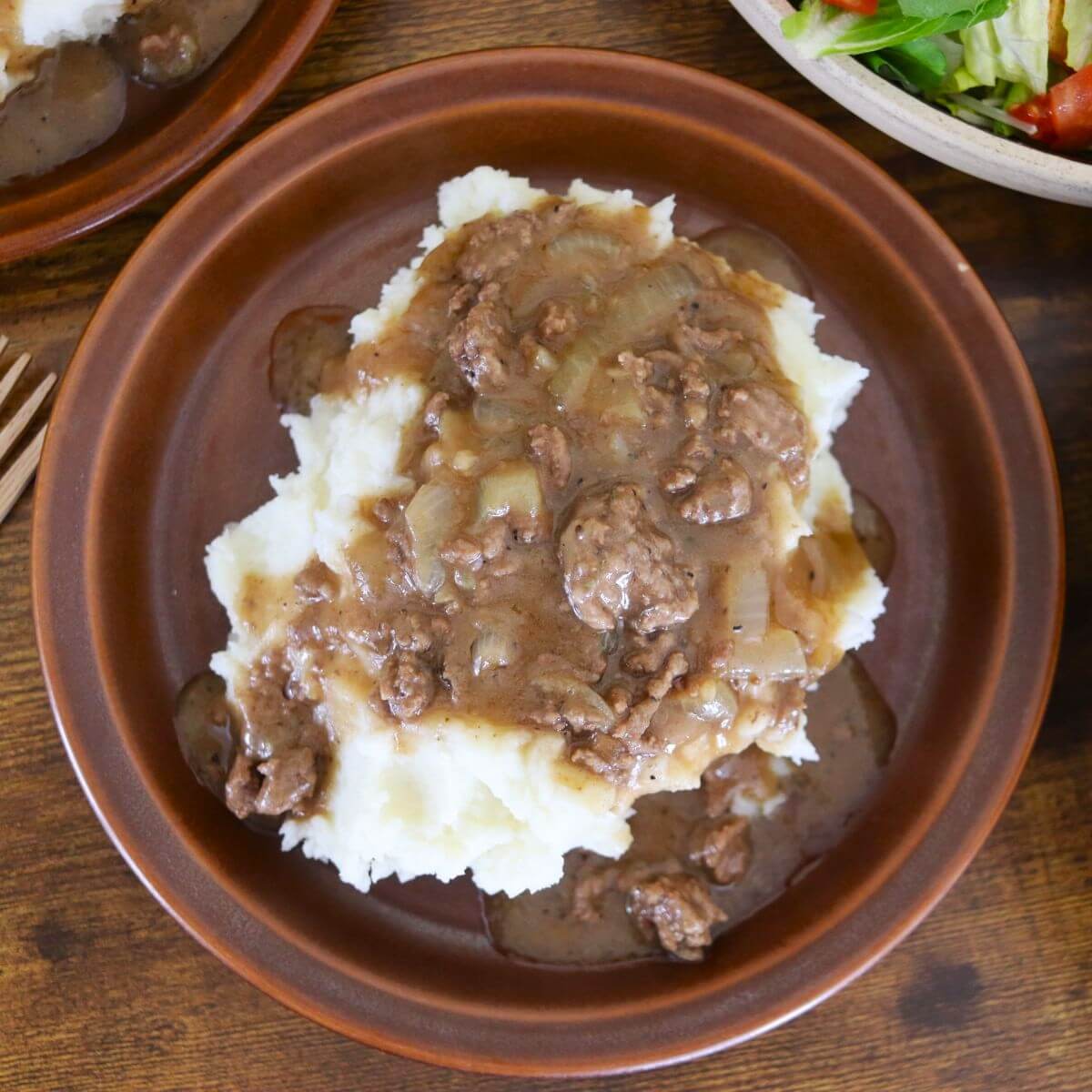
Old-Fashioned Ground Beef and Gravy

Old-fashioned ground beef and gravy is a simple, comforting skillet meal made using a method home cooks have relied on for years. It comes together with just basic ingredients, turning nothing more than ground beef and broth into a thick, satisfying gravy that can be generously spooned over your favorite starch.
If you love cooking dinner from-scratch, try bacon-topped homestyle meatloaf, old-fashioned chicken and noodles and fire-roasted tomato lasagna next.
Let’s talk about this recipe
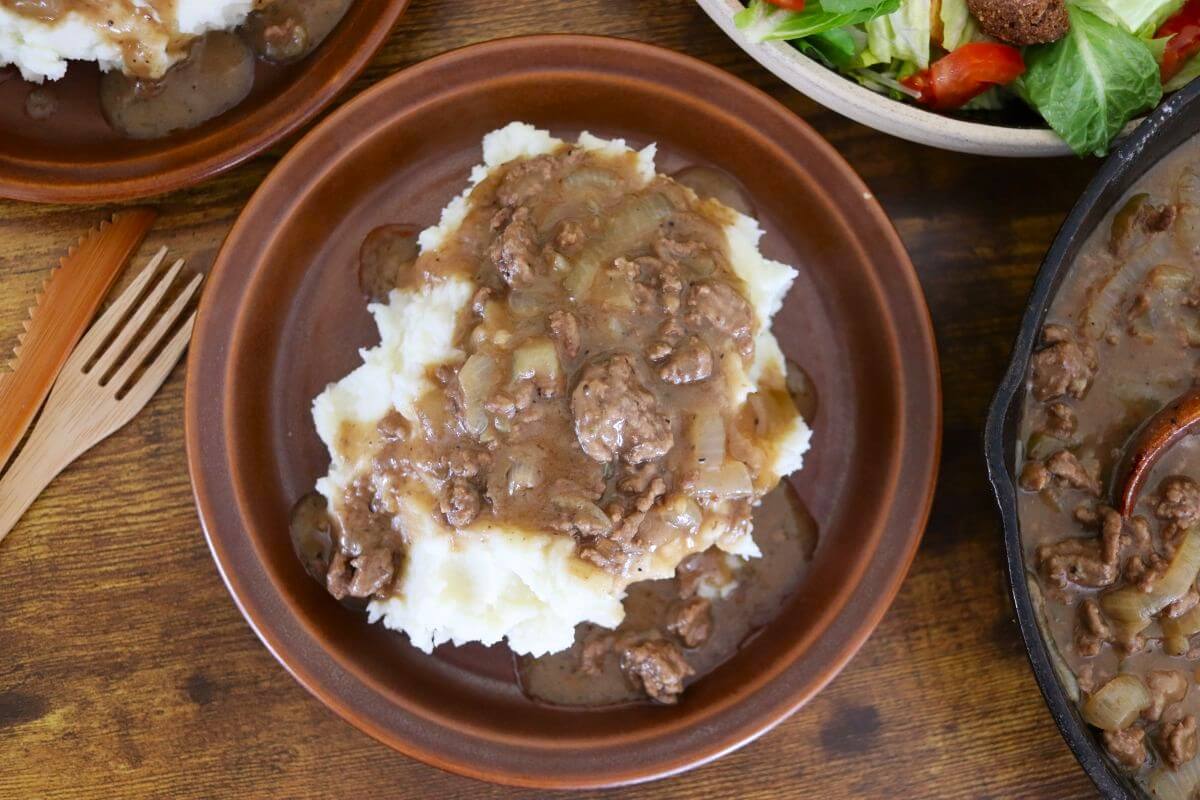
As a young homemaker, in my first home, I made this recipe often. It was one of those meals that I could rely on to stretch the budget of a young couple venturing out on their own. Simple ground beef, rich, thick gravy, and creamy mashed potatoes made a full plate.
This recipe doesn’t rely on a separate roux or packaged shortcuts. Instead, the gravy is built right in the skillet, by coating the cooked beef and aromatics with flour, then simmering it gently with broth until it thickens. It’s a straightforward, practical way of making gravy that works every time.
What makes this recipe so good?
- The gravy is built directly in the skillet, using the fat already present in the pan rather than a separate roux.
- Flour is sifted into the cooked beef and fat, so it disperses evenly and thickens the broth smoothly.
- Gentle simmering gives the gravy time to thicken without scorching or turning pasty.
- Cooking everything in cast iron helps maintain steady heat, which keeps the gravy consistent.
Ingredients you’ll need
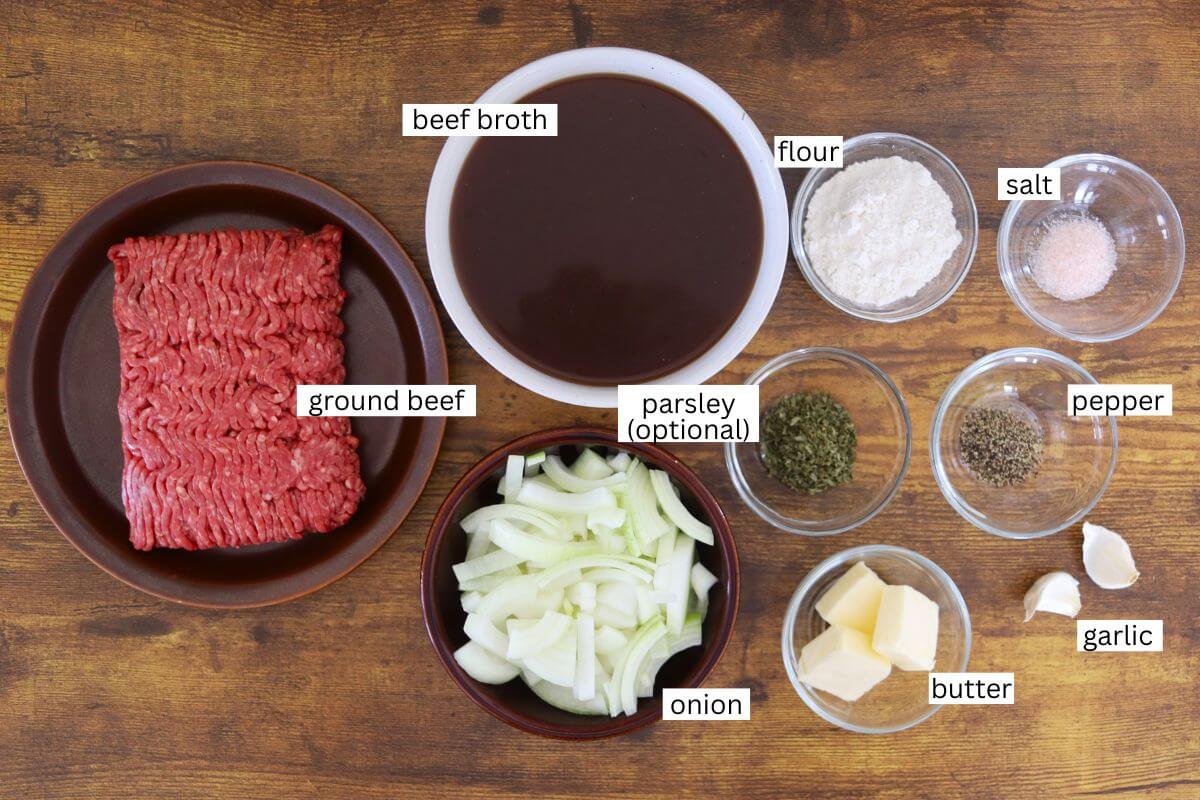
- Ground beef – A standard lean grind works best here; it provides enough fat to carry the gravy without leaving it too greasy or heavy.
- Butter: Provides the fat for the roux, giving the gravy a rich base and helping it develop a smooth consistency as it thickens. Butter made from fresh cream is a natural choice for this old-fashioned dish.
- Beef broth – A well-made broth gives the gravy depth and body; from-scratch beef broth adds the most flavor, but any solid beef broth will still produce good results.
See recipe card below for full information on ingredients and quantities.
Make it your own
- Use ground chicken, turkey, or pork in place of ground beef, and swap the beef broth for a matching broth; homemade chicken broth works especially well with lighter meats.
- Adjust the amount of onion and garlic based on how prominent you want that flavor in the finished gravy.
- Add sliced mushrooms to the skillet with the onions for a heartier variation.
- Stir in herbs, either fresh or dried, to change the flavor without altering the base recipe.
Would you like to save this post for later?
How to make old-fashioned ground beef and gravy
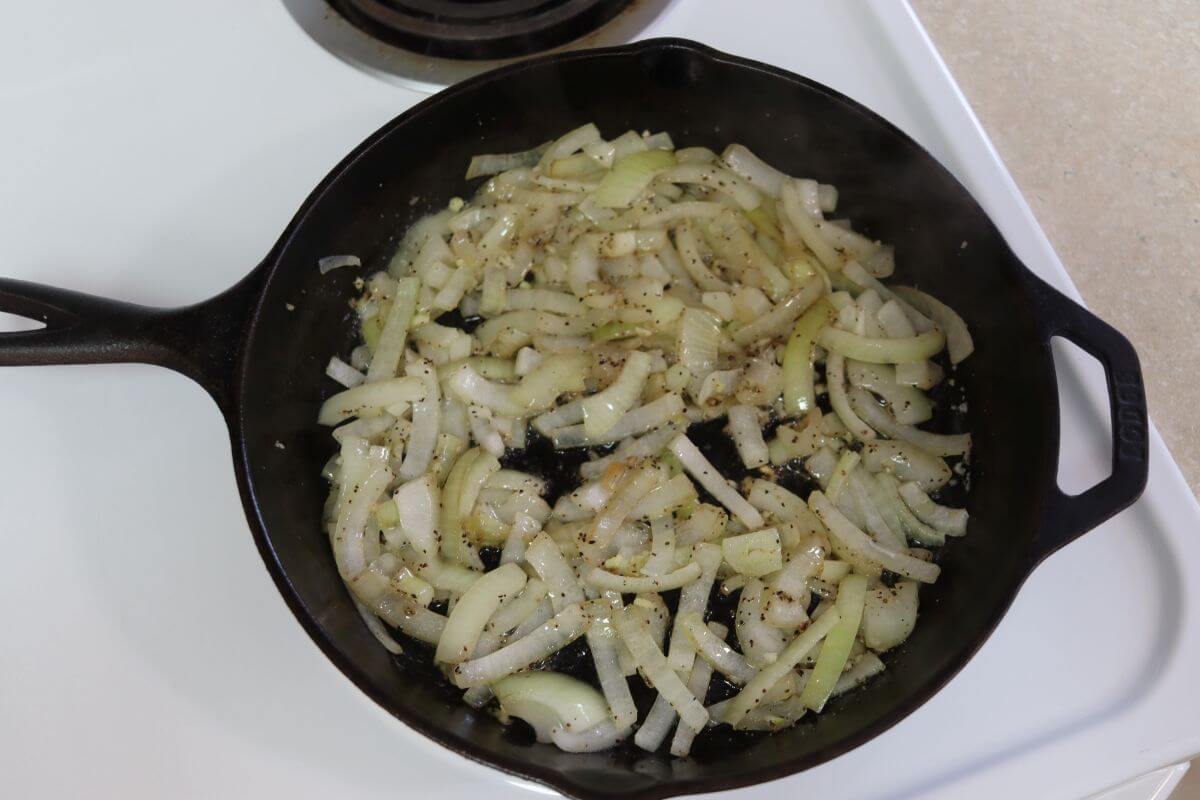
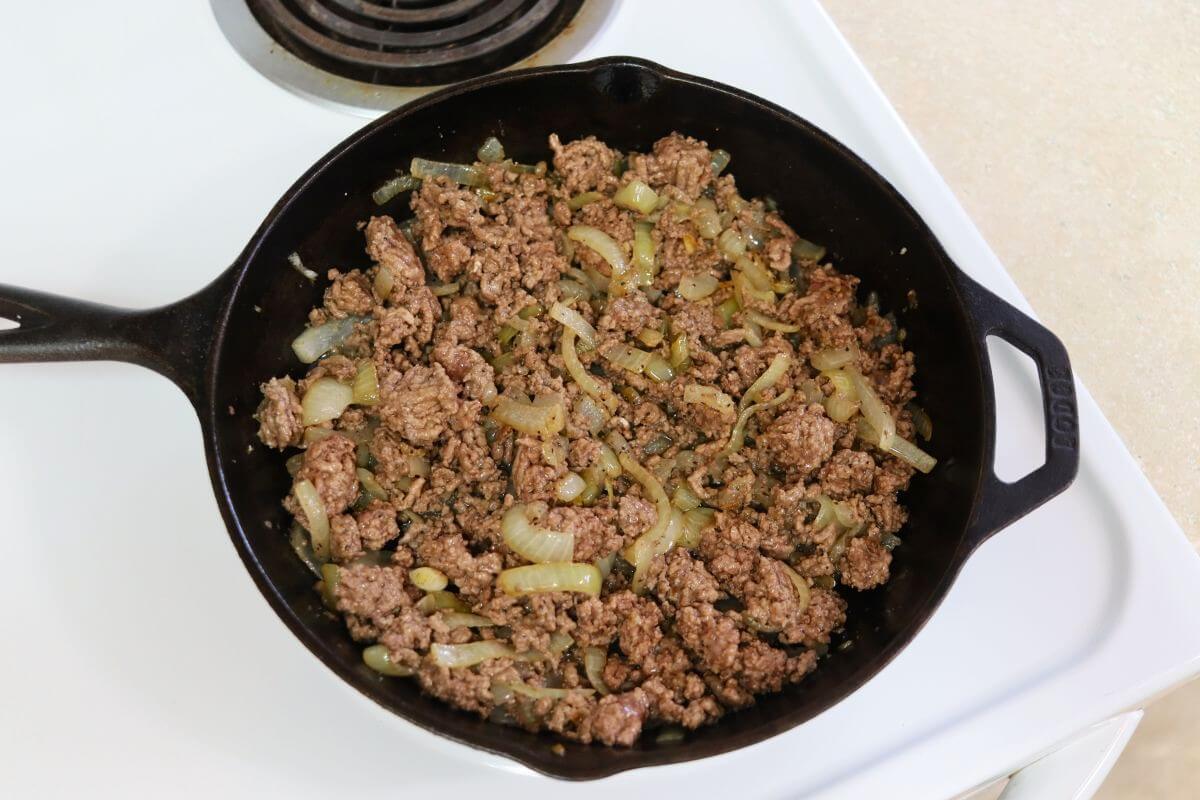
Step 1: Melt butter in a cast iron skillet over medium heat. Add the chopped onion, garlic, and black pepper. Cook until the onion is soft and translucent, not browned.
Step 2: Add the ground beef to the skillet and cook until it is fully cooked through, breaking it up as it browns. If you want a detailed breakdown of this step, see my guide on how to cook ground beef properly. Any excess grease should be minimal; if there is more than a light coating in the pan, spoon a bit off before continuing.
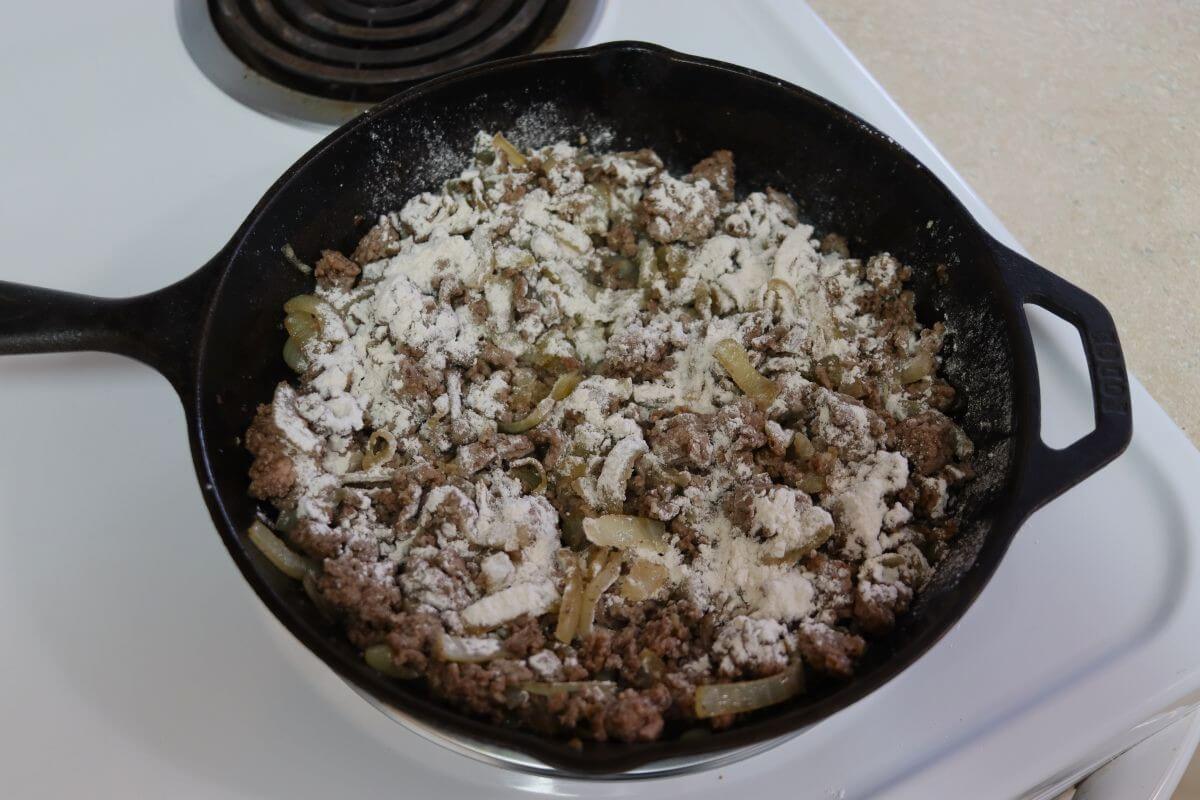
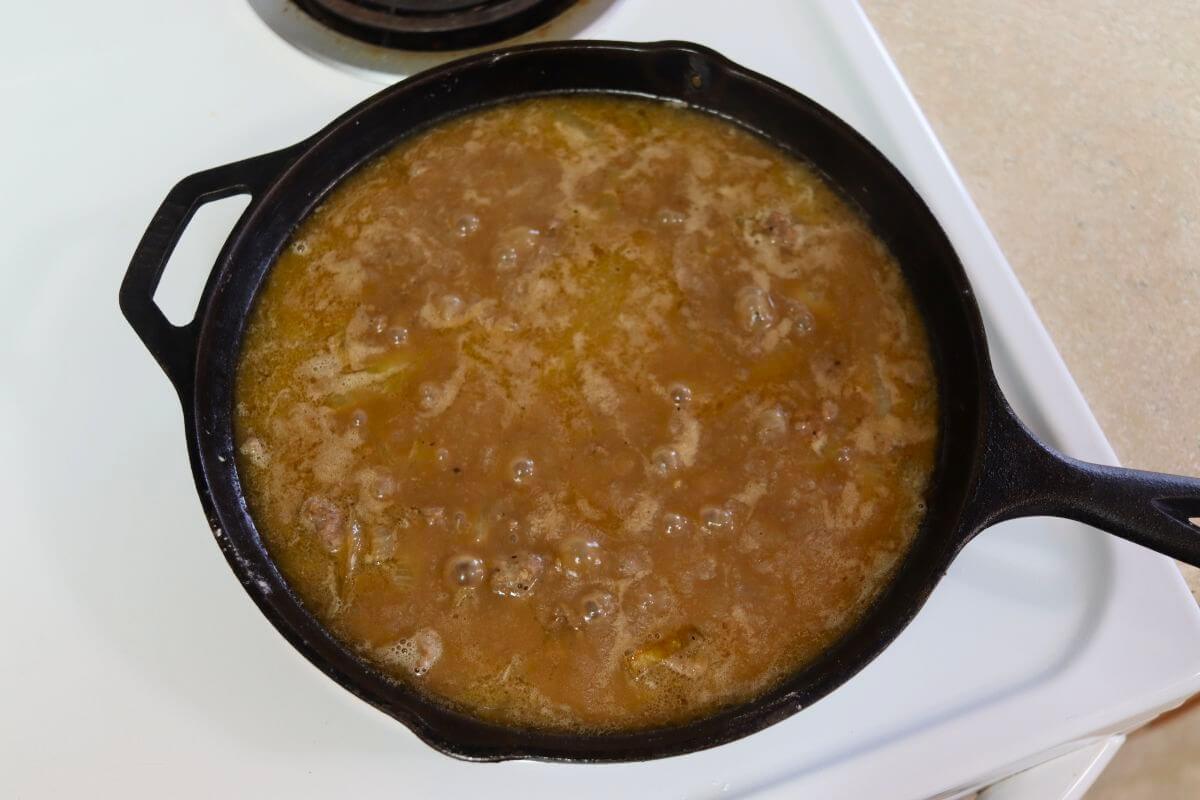
Step 3: Sift the flour evenly over the beef mixture. Stir immediately and thoroughly so the flour coats the fat and meat evenly. Cook for about one minute to remove the raw flour taste, keeping the mixture moving so nothing sticks.
Step 4: Pour in the beef broth while stirring. Bring the mixture to a gentle simmer and cook until the gravy thickens to a spoon-coating consistency. Season with salt to taste, only after thickening, as the flavor will concentrate as it cooks. Garnish with parsley when serving, if desired.
Recipe FAQs
Yes. The gravy can be made ahead and gently reheated on the stove. Add a small splash of broth while reheating to loosen it if it thickens too much as it cools.
Yes, but cast iron holds steady heat, which helps the gravy thicken evenly without scorching.
Sifting distributes the flour evenly and prevents dry pockets that turn into lumps once liquid is added.
This usually happens when the flour isn’t fully dispersed in the fat before the broth is added, or when the heat is too high. Lower heat and steady stirring help the gravy thicken smoothly instead of seizing.
As the gravy simmers, the liquid reduces. Salting too early can make the finished dish overly salty.
You can, as long as the skillet is large enough to avoid crowding. If the pan is too full, the beef steams instead of cooking evenly, which affects both flavor and gravy texture.
Serving ideas
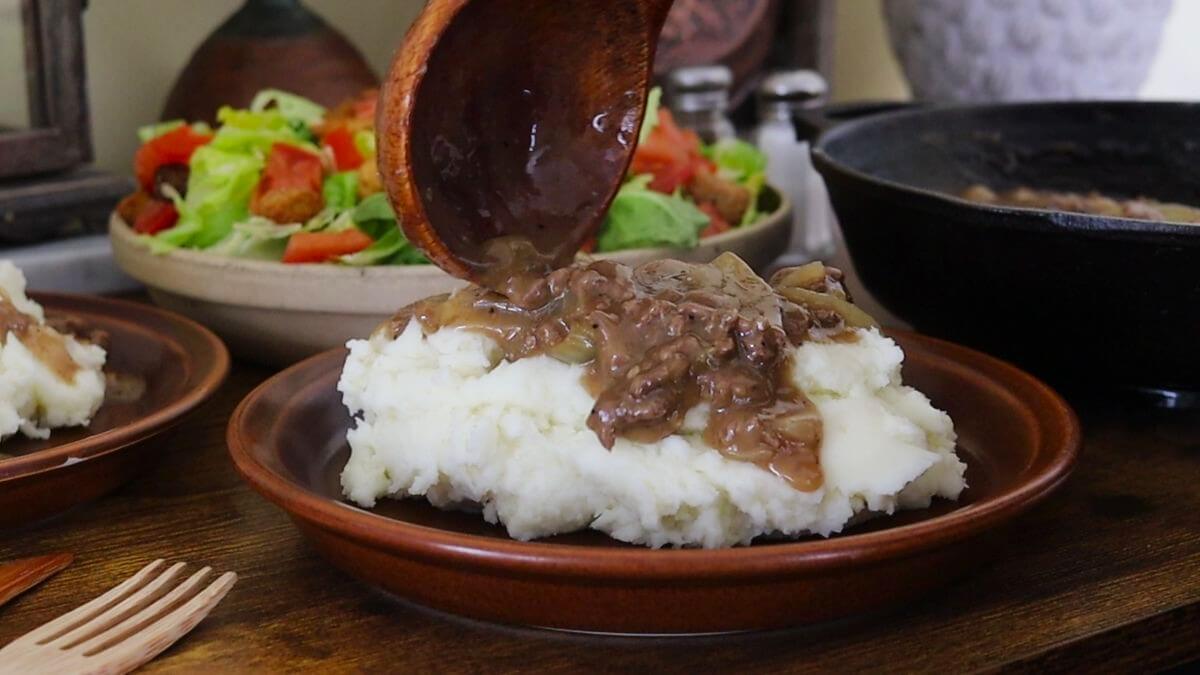
This gravy is especially good served over mashed potatoes — if you’re feeling indulgent, my extra cheesy mashed potato bake is a great option. It also works beautifully over simple buttered noodles; handmade trofie pasta is worth trying if you enjoy making your own, as it holds the gravy exceptionally well. Fluffy, tender rice is another easy choice, or just spoon it over a few slices of homemade bread. There are simple recipes on the blog for an easy no-knead bread and a rosemary parmesan loaf if you’d like to bake one alongside it.
If you’re in the mood for gravy, but craving chicken instead, my simple chicken and gravy recipe follows the same from-scratch approach and comes together just as easily.
Diane Gail’s tips for success
- Keep the heat moderate: Steady heat prevents the butter and beef drippings from scorching and gives the gravy time to thicken without developing bitter notes.
- Stir as soon as the flour goes in: Immediate, thorough stirring is what disperses the flour evenly and prevents lumps from forming.
- Simmer, don’t boil: A gentle simmer allows the gravy to thicken smoothly; boiling tightens it too fast and ruins the texture.
- Season at the end: Salt concentrates as the gravy reduces, so adjust once the thickness is where it should be.
- Give it time: Gravy thickens gradually — wait before making adjustments so you don’t overcorrect with extra flour or liquid.
Old-Fashioned Ground Beef and Gravy
Ingredients
- 3 tablespoons butter
- 1 medium yellow onion sliced into strips
- 2 large garlic cloves pressed
- 1/2 teaspoon ground black pepper
- 1 lb ground beef lean
- 1/4 cup all-purpose flour
- 2 1/2 cups beef broth
- dried parsley optional garnish
- salt to taste
Instructions
- Soften the aromatics: Melt butter in a cast iron skillet over medium heat, then cook onion, garlic, and black pepper until the onion is soft.
- Cook the beef: Add ground beef and cook until no longer pink, breaking it up into small pieces as it cooks.
- Add the flour: Sift flour evenly over the beef mixture and stir immediately until no dry flour remains.
- Cook the flour briefly: Stir and cook for about 1 minute to remove the raw flour taste.
- Add the broth: Pour in beef broth while stirring to keep the mixture smooth.
- Simmer to thicken: Bring to a gentle simmer and cook, stirring occasionally, until the gravy thickens to your liking.
- Season: Taste and add salt as needed once the gravy is thickened.
- Serve: Spoon over mashed potatoes, buttered noodles, or rice. Garnish with parsley, if desired.
Notes
- Heat control: Moderate heat prevents scorching and allows the gravy to thicken evenly.
- Flour incorporation: Sifting and stirring immediately helps prevent lumps.
- Texture adjustment: Simmer longer to thicken or add a splash of broth to loosen the gravy.
- Seasoning: Salt should be adjusted only after thickening, since flavor concentrates as it cooks.
- Storage: Cool completely, refrigerate in a covered container, and reheat gently with a small amount of broth if needed.
Nutrition
Nutrition information is automatically calculated, so should only be used as an approximation.