
No-Knead Rosemary Parmesan Bread

This no-knead rosemary parmesan bread delivers the flavor and texture of artisan bakery bread with minimal hands-on effort. Baked in a hot Dutch oven for a crisp, golden crust and a soft, savory interior infused with rosemary and parmesan, this easy homemade loaf requires no stand mixer and no kneading — just simple ingredients, and a straightforward method, that makes rustic bread baking approachable and reliable.

A crusty loaf of herby goodness
After I baked my very first no-knead loaf and saw how simple the process really was, I knew I had to try adding herbs and cheese. That little experiment is what led to this no-knead rosemary parmesan bread — and the moment it came out of the oven, golden and fragrant with rosemary and parmesan, it became a staple in my kitchen.
Even though I also make my no-knead shaggy dough bread, semolina bread from scratch, and rustic Dutch oven rye bread regularly, this is the bread I reach for when I want artisan-style flavor without extra steps. It reliably delivers a crisp, crusty exterior and a soft, structured crumb — exactly what you want from a dependable homemade loaf.
It’s also the kind of bread that fits naturally at the table alongside hot, steamy soups. Italian broccoli and rice, rustic tomato tortellini, and homestyle chili con carne are all solid pairings, and this loaf holds its texture beautifully beside each one. Simple, from-scratch, and reliable — exactly what I want in a bread recipe I plan to keep in steady rotation.
Recipe ingredients
All ingredients for this recipe are shown in the pic below and special notes are made in this bulleted list to assist you.

- Bread flour: I use bread flour instead of all-purpose in this no-knead rosemary parmesan bread, because its higher protein content builds stronger gluten during the rise. That structure gives the loaf a better oven spring, a chewier crumb, and a crust that bakes up crisp and well-defined.
- Parmesan cheese: Freshly grated parmesan is the only option I recommend. It melts directly into the dough, distributing evenly and baking into the crumb without creating heavy pockets. Avoid shelf-stable grated parmesan, which can dry the dough and affect texture.
- Rosemary: Dried rosemary provides consistent flavor and holds up well during baking. Crush it lightly before adding it to release it’s oils. Because dried rosemary is concentrated, it infuses the entire loaf without overwhelming the parmesan.
See the recipe card for full information on ingredients and quantities.
How to make no-knead rosemary parmesan bread
Step 1: Stir the yeast into warm water (100–110°F / 38–43°C) and let it sit for 8–10 minutes. The surface should become foamy and slightly creamy looking — that’s how you know the yeast is alive and active. If nothing happens, the yeast is no longer viable and should be replaced before moving forward.
Step 2: In a large mixing bowl, whisk together the bread flour, freshly grated parmesan, crushed dried rosemary, and salt. Take a moment to evenly distribute the cheese and herbs through the flour. This prevents pockets of cheese and ensures consistent flavor throughout the loaf.
Step 3: Pour the yeast mixture into the bowl and stir with a wooden spoon just until no dry flour remains. The dough will look rough, shaggy, and slightly sticky — not smooth. That uneven texture is exactly what you want in a no-knead dough. Do not knead and do not overmix.
Step 4: Cover the bowl with a clean towel or plastic wrap and place it in a draft-free area at room temperature. Let it rise for about 1 hour, or until doubled in size and visibly airy. If your kitchen runs cool, it may take a bit longer. The dough should look puffed and soft when ready.
Step 5: Turn the dough out onto a lightly floured surface. Gently press it into a rough rectangle to release excess air — don’t punch aggressively. Roll the dough tightly into a loaf shape, then tuck the ends underneath to create surface tension across the top. This tension helps the loaf rise upward instead of spreading outward.
Would you like to save this post for later?
Step 6: Place the shaped dough seam-side down on parchment paper and cover loosely. Let it rest for 30 minutes while you preheat your Dutch oven (with lid) in a 450°F (230°C) oven. The pot must be fully heated before baking — this initial blast of heat creates proper oven spring and crust development.
Step 7: Carefully remove the hot Dutch oven from the oven. Using the parchment as a sling, lower the dough into the pot. Lightly brush the top with olive oil. With a sharp knife or lame, make one shallow score about ½ inch deep. Scoring allows the loaf to expand in a controlled way during baking.
Step 8: Cover the Dutch oven and bake for 45 minutes. The enclosed steam is what creates that signature crisp, artisan-style crust.
Step 9: Remove the lid and continue baking for 12–15 minutes more, until the crust is deep golden brown. The loaf should sound hollow when tapped and register 200–205°F (93–96°C) internally when fully baked.
Step 10: Transfer the bread to a cooling rack and let it rest for at least 1 hour. Cutting too soon can cause the crumb to compress and turn gummy. Patience here makes all the difference in texture.
Top tips
- Adjust for humidity before adjusting the recipe: Dough behaves differently depending on the moisture in your kitchen. On humid days, the dough may feel slightly softer; on dry days, slightly firmer. Resist the urge to immediately add flour unless the dough is truly wet and loose. Minor stickiness is normal in a no-knead dough and helps produce an open, tender crumb.
- Recognize the signs of slight overproofing: If the dough rises too long during the first rise, it may feel overly airy and fragile when shaping. A properly proofed dough should feel elastic and slightly springy, not weak or collapsing. If it spreads quickly during shaping, reduce the rise time slightly next time.
- Understand how bread flour changes structure: Because this recipe uses bread flour instead of all-purpose, the crumb will have more chew and structure. That stronger gluten network helps support the weight of the parmesan and herbs. If substituted with lower-protein flour, expect a slightly softer, less defined interior.
- Control bottom crust browning: Dutch ovens retain intense heat, and some ovens concentrate that heat from below. If the bottom crust darkens faster than expected, place a baking sheet on the rack beneath the Dutch oven to diffuse direct heat without lowering overall baking temperature.
- Customize crust color intentionally: For a lighter crust, reduce the uncovered bake time by a few minutes. For a deeper, more pronounced crust, extend the uncovered portion slightly while monitoring closely. The flavor of the crust develops as it darkens, so color preference is more than cosmetic.
- Revive the crust after storage: If the crust softens after sitting overnight, place the loaf directly on the oven rack at 350°F (175°C) for 5–8 minutes. This restores exterior crispness without drying the interior.
Other recipes you’ll love
If you loved this bread recipe, give these other great recipes a try too!
Rustic Whole Wheat Bread Recipe
Simple Pepper Jack Cracker Recipe
Easy Cornbread Crackers Recipe
Savory Homemade Crackers Recipe
Easy Butter Crackers Recipe
Simple Pumpkin Cracker Recipe

No-Knead Parmesan Rosemary Bread
Ingredients
- 1 1/2 cups warm water 100–110°F (38–43°C)
- 1 1/2 teaspoon active dry yeast
- 3 1/4 cups bread flour
- 1 cup shredded parmesan cheese
- 1 1/2 tablespoons dried rosemary
- 1 teaspoon salt
- 1 tablespoons extra virgin olive oil
Instructions
- Stir the active dry yeast into warm water (100–110°F / 38–43°C) and let sit 8–10 minutes, until foamy on the surface.
- In a large bowl, whisk together the bread flour, shredded parmesan cheese, dried rosemary, and salt until evenly distributed.
- Pour the yeast mixture into the dry ingredients and stir just until no dry flour remains. The dough will be shaggy and sticky. Do not knead.
- Cover the bowl and let the dough rise at room temperature for about 1 hour, or until doubled in size.
- Turn the dough onto a lightly floured surface, gently press into a rectangle, then roll tightly into a loaf shape. Tuck the ends underneath and place seam-side down on parchment paper.
- During the second rest, place a Dutch oven with lid into the oven and preheat to 450°F (230°C).
- Let the shaped dough rest 30 minutes. Brush the top lightly with olive oil and score the surface with a sharp knife about ½ inch deep.
- Using the parchment as a sling, carefully transfer the dough into the hot Dutch oven. Cover and bake for 45 minutes.
- Remove the lid and bake an additional 12–15 minutes, until deep golden brown and the internal temperature reaches 200–205°F (93–96°C). Cool on a rack at least 1 hour before slicing.
Notes
- Measure flour carefully: Spoon bread flour into the measuring cup and level it off to avoid packing, which can create a dense loaf.
- Expect a sticky dough: This no-knead rosemary parmesan bread dough should feel soft and slightly sticky; avoid adding excess flour unless it is overly wet and loose.
- Adjust rise time as needed: Let the dough double in size rather than relying strictly on the clock, especially in cooler kitchens.
- Monitor crust color: If the bottom browns too quickly, place a baking sheet on the rack beneath the Dutch oven to diffuse direct heat.
- Store properly: Once fully cooled, store loosely wrapped at room temperature up to 2 days, or slice and freeze for longer storage.
Nutrition
Nutrition information is automatically calculated, so should only be used as an approximation.

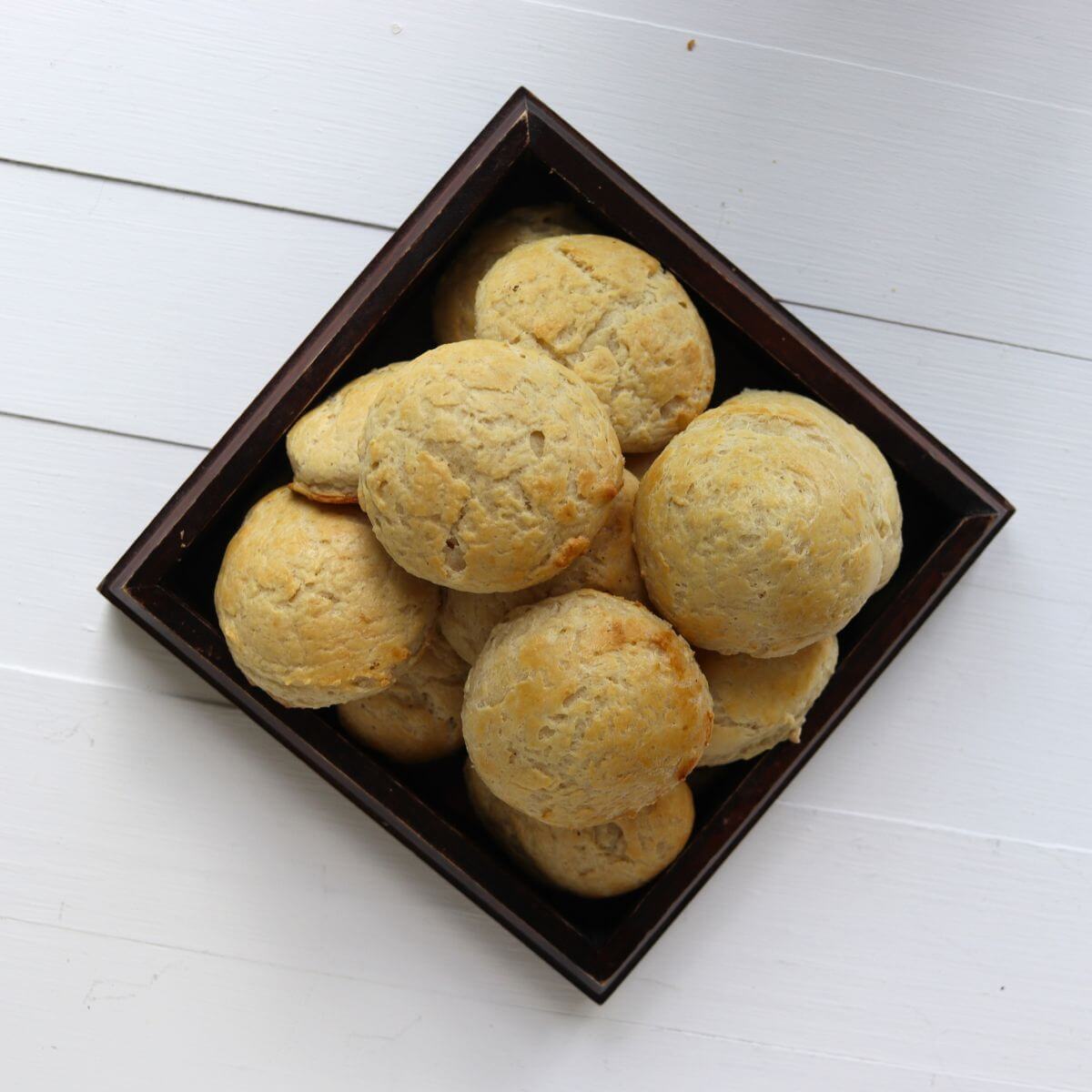
This no-knead rosemary parmesan bread is packed with flavor, featuring a crispy crust and a soft, airy interior. It’s an easy and delicious way to enjoy fresh, homemade bread with minimal effort. If you try this recipe, I’d love to hear what you think. Be sure to leave a review and let me know how it turned out for you. If you have any questions, feel free to ask in the comments — I’m happy to help!