
Stuffed Cabbage Skillet Recipe

This stuffed cabbage skillet recipe brings all the comfort of classic cabbage rolls into one hearty, easy-to-make dish. Seasoned ground beef and rice are rolled in tender cabbage leaves, topped with a tangy tomato sauce and my Grandma’s secret ingredient, then baked together to deliver all the familiar flavors of this traditional favorite.
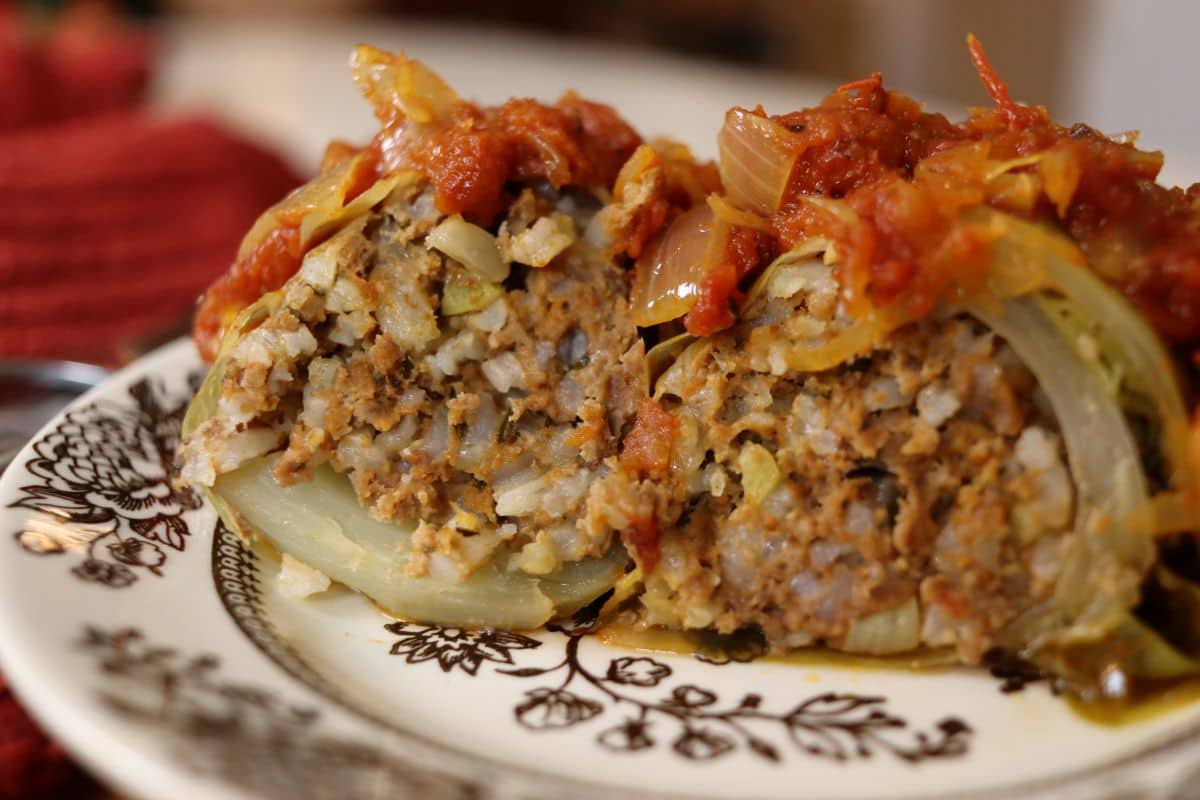
Cabbage rolls were called piggies at home
Growing up, this dish was called piggies in my house, short for pigs in a blanket — but not the hot dog version most people think of when they hear that name. It wasn’t until I was an adult that I discovered most people call this dish stuffed cabbage rolls. But for me, it will always be piggies, and it will always be made exactly the way my Grandma made it.
Her recipe is legendary in my family. She made her piggies in a crock pot because Grandma liked her crock pot a lot. My version keeps all the flavors of her original recipe intact but makes it in a cast iron Dutch oven — because I love my Dutch oven a lot. Either way, the result is a deeply comforting meal that can be made ahead for convenience and freezes very well both before and after baking.
If you love bringing cast iron skillet meals to your table as much as I do, be sure to try my homemade meatloaf in a skillet, rustic skillet lasagna recipe, and southern Cajun smothered chicken next.
Recipe ingredients
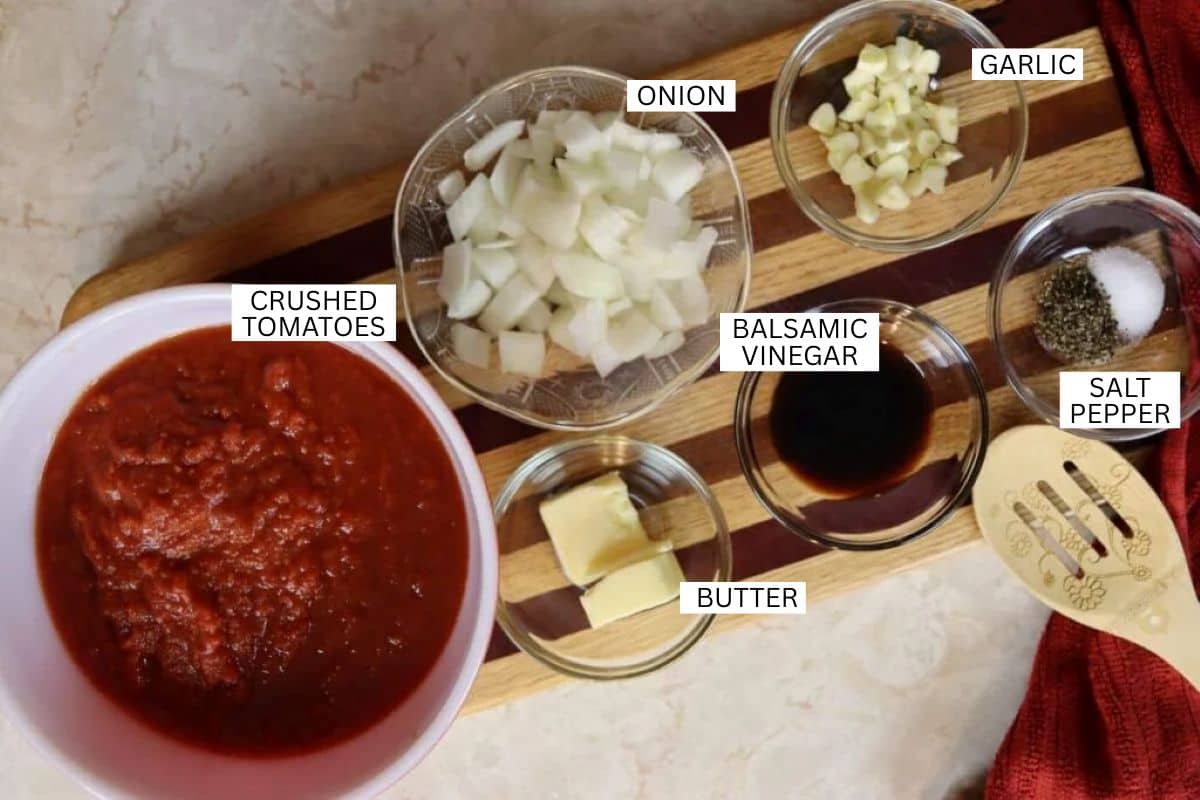
- Balsamic vinegar: Adds acidity and depth to the tomato sauce, bringing the flavors of the sauce together and balancing the richness of the beef filling. Use a good-quality balsamic vinegar with a balanced sweet-tart flavor rather than a thick balsamic glaze.
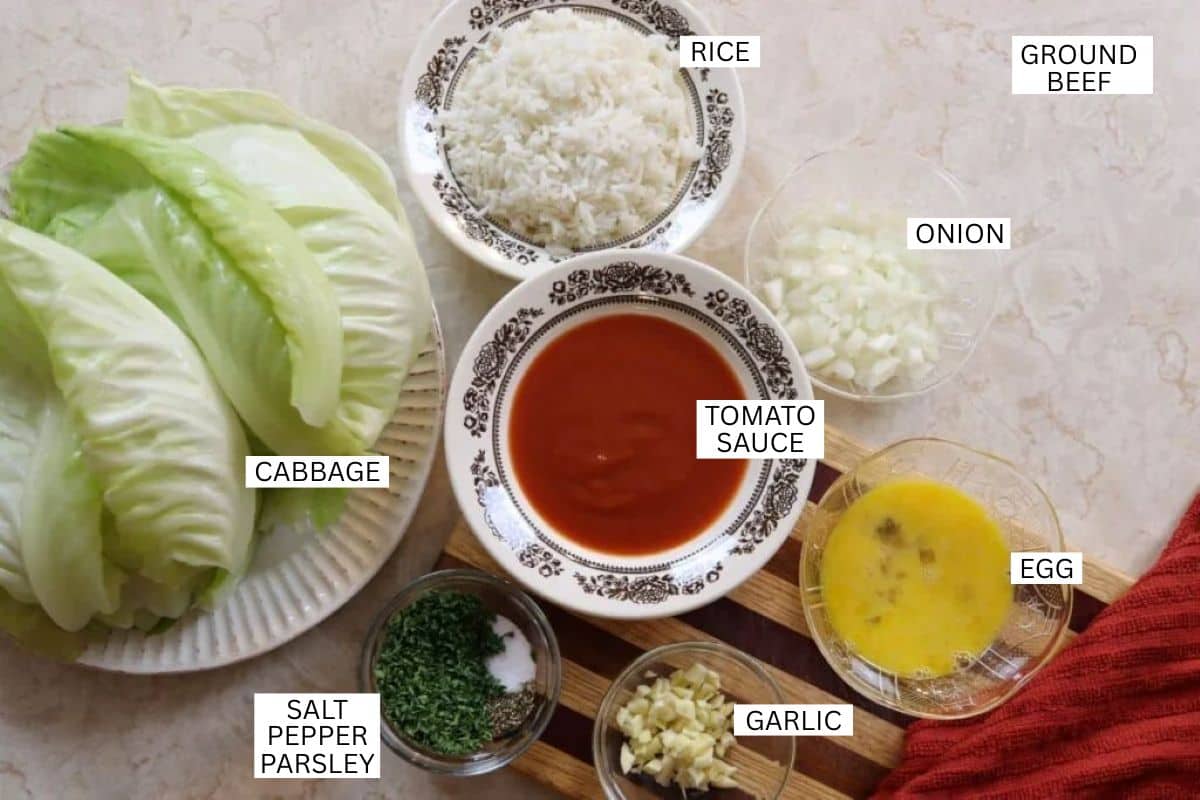
- Ground beef: Choose ground beef with enough fat to keep the filling moist and flavorful as the cabbage rolls cook. An 80/20 or 85/15 blend works particularly well, giving the filling richness without leaving the finished dish overly greasy.
- Long grain white rice: Long grain white rice works well in the filling because the grains remain more separate as they cook instead of becoming sticky or compact. It also absorbs the seasoned juices of the filling and carries those flavors throughout the cabbage roll.
- Cabbage: Choose a firm, heavy head of green cabbage with tightly packed leaves and no significant browning or soft spots. The larger outer leaves are especially useful for wrapping the filling. The cabbage leaves absorb the flavors of the filling and the sauce while cooking.
- Sauerkraut: This is Grandma’s secret ingredient. Both the sauerkraut and its juice are poured over the cabbage rolls before they go into the oven, adding tangy, fermented flavor and acidity that season the cabbage and sauce as everything cooks together. Choose refrigerated sauerkraut packed in brine when possible, and do not drain it — the juice is an important part of the recipe.
See the recipe card for full information on ingredients and quantities.
How to make stuffed cabbage rolls


Step 1: Place the cabbage stem-side down in a large pot with 2–3 inches of water. Cover and bring the water to a gentle simmer. As the outer leaves soften and loosen from the head, carefully remove them one at a time with tongs and set them aside to cool. Continue until you have enough tender, flexible leaves for the cabbage rolls.
Step 2: Melt the butter in a skillet over medium heat. Add the onion and sauté until softened and translucent. Add the garlic and continue cooking just until fragrant, stirring frequently so the garlic doesn’t brown.
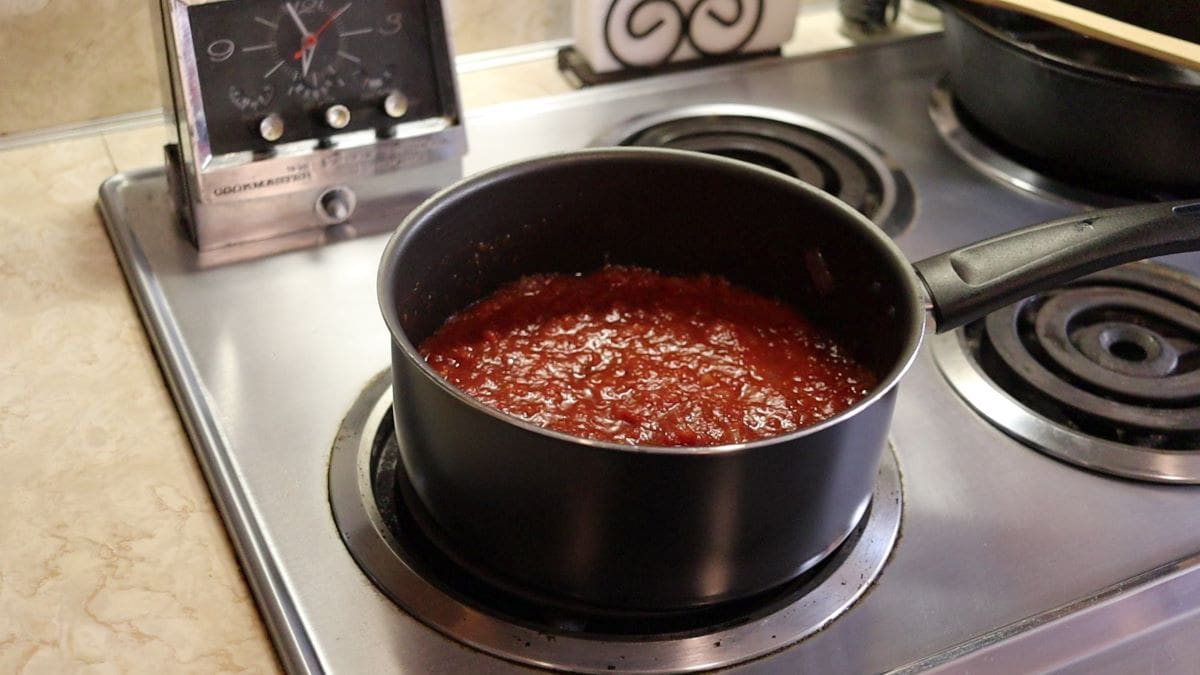

Step 3: Add the crushed tomatoes and balsamic vinegar to the sautéed onion and garlic. Stir until everything is well combined and the sauce is heated through. Remove the pan from the heat and set the sauce aside.
Step 4: In a large bowl, combine the ground beef, cooked rice, onion, garlic, parsley, egg, and tomato sauce, using your hands to gently mix the ingredients until evenly distributed.
Would you like to save this post for later?


Step 5: Lay each softened cabbage leaf flat on a cutting board. Using a sharp knife, carefully trim or make a small slit in the thick center rib without cutting through the entire leaf. This makes the sturdy portion of the leaf easier to bend so you can roll it securely around the filling.
Step 6: Shape the beef mixture into short, thick log-shaped portions and place one near the base of each cabbage leaf. Fold the bottom of the leaf over the filling, tuck the sides inward, and continue rolling until the filling is completely enclosed. Keep the rolls snug enough to hold together without pulling so tightly that the cabbage tears.
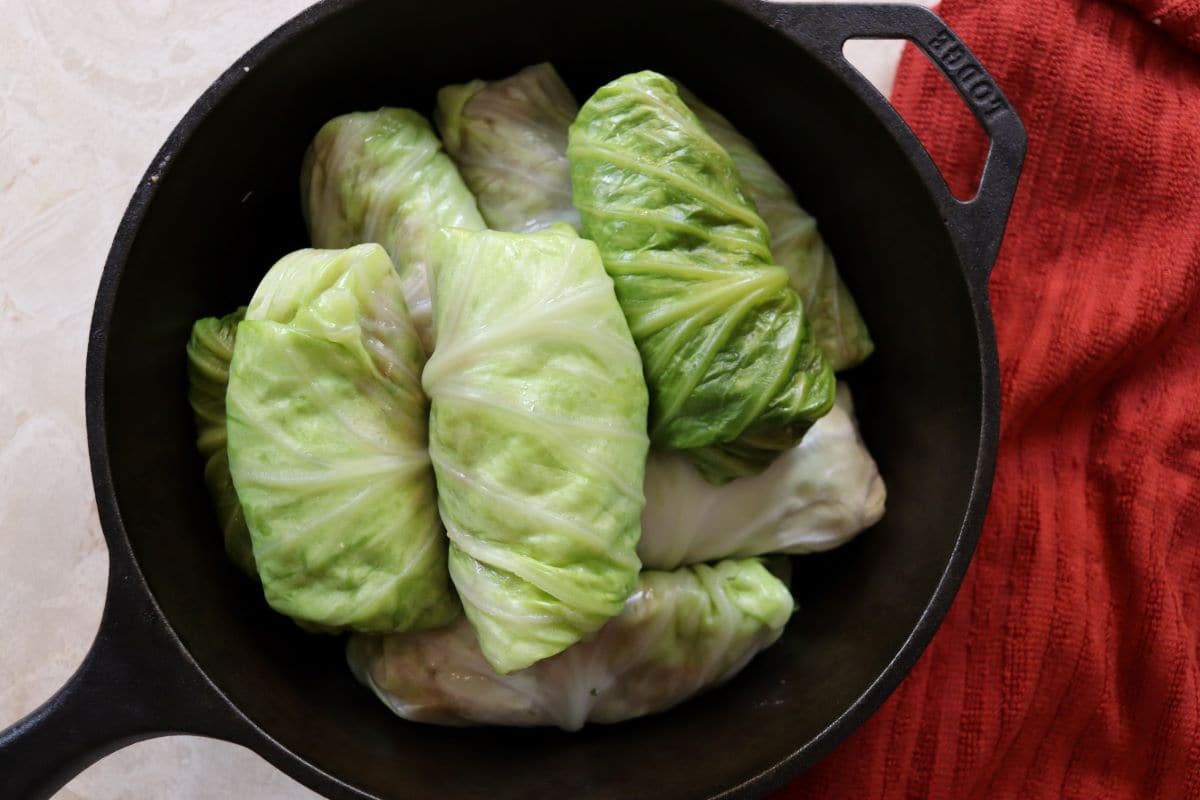
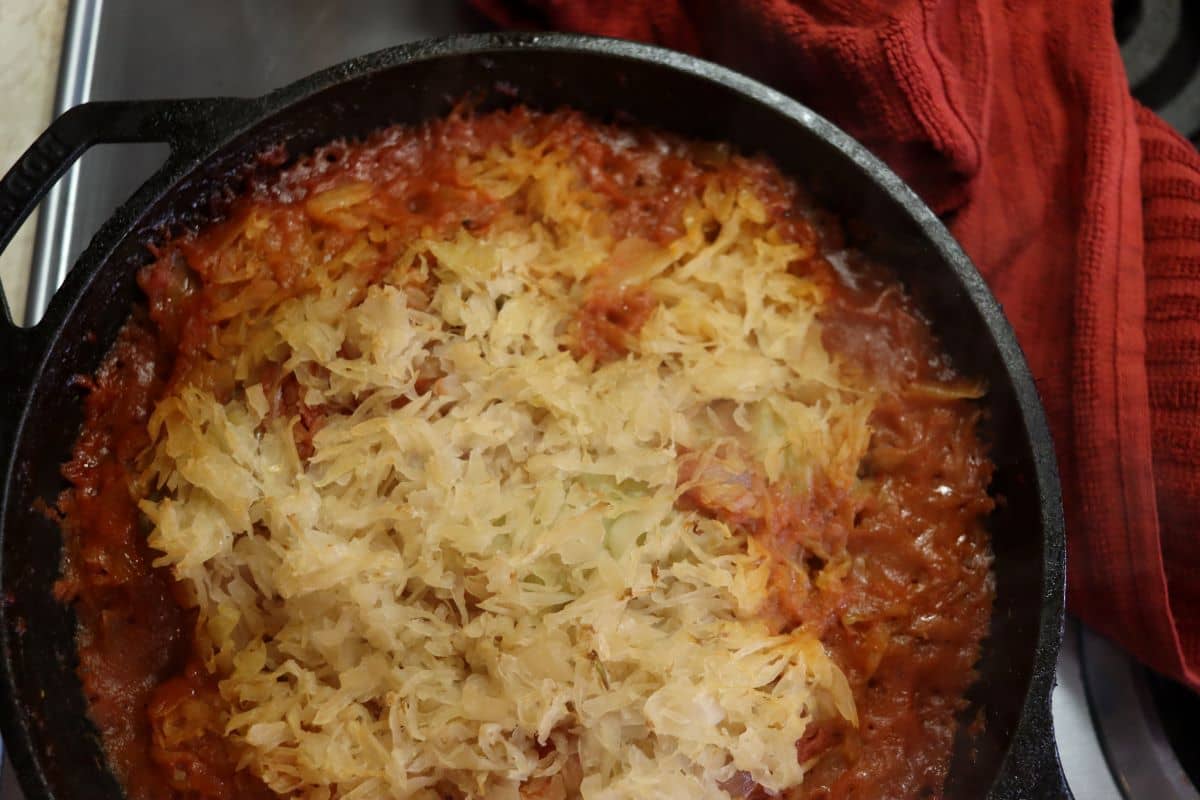
Step 7: Arrange the stuffed cabbage rolls seam-side down in the cast iron Dutch oven. Nestle them closely together so they support one another and remain securely rolled as they cook.
Step 8: Pour the prepared sauce evenly over the cabbage rolls. Spread the sauerkraut over the top, then pour its juice over the rolls as well. Cover the Dutch oven and bake at 350°F (175°C) for 1 hour, or until the beef filling is completely cooked through.
Top tips
- Experiment with the meat blend: Combine ground beef with ground pork for a deeper, more savory flavor, or mix it with ground chicken or turkey for a milder variation. Ground chicken or turkey can also be used on its own when you want their flavor to take the place of the beef entirely.
- Make it ahead: Assemble the cabbage rolls and arrange them in the Dutch oven, but leave off the tomato sauce, sauerkraut, and sauerkraut juice. Cover and refrigerate, then add the sauce and sauerkraut just before baking.
- Keep the rolls similar in size: Portion the filling as evenly as possible so the cabbage rolls cook at the same rate. This is particularly important because the filling contains raw ground beef.
- Use smaller leaves for the last few rolls: Once the large outer cabbage leaves are gone, overlap two smaller leaves to create a wrapper when needed.
- Give crowded rolls a little extra time: A tightly packed Dutch oven holds heat and moisture well, but rolls in the center may take slightly longer to cook than those around the outside. Check a center roll when determining doneness.
- Let the cabbage rolls rest before serving: Allow them to sit covered for about 10 minutes after removing the Dutch oven from the oven. The filling and sauce settle during this time, making the rolls easier to lift from the pan without breaking apart.
- Use an instant-read thermometer to check the filling: Test through the center of one of the thickest cabbage rolls and make sure the ground beef filling reaches 160°F (71°C) before serving.
- Store leftovers: Refrigerate cooked stuffed cabbage rolls with their sauce in an airtight container for up to 4 days.
- Freeze before baking: Make the sauce and assemble the cabbage rolls. Then freeze them separately in tightly covered freezer-safe containers. Thaw the cabbage rolls and sauce overnight in the refrigerator, then top the rolls with the sauce, sauerkraut, and sauerkraut juice and bake as directed.
- Freeze after baking: Allow the cooked cabbage rolls to cool completely, then freeze them with the sauce and sauerkraut in a tightly covered freezer-safe container for up to 3 months. Thaw overnight in the refrigerator, then reheat covered at 350°F (175°C) until heated through.
Serving ideas
Stuffed cabbage rolls are a hearty meal on their own, so they pair well with simple sides that complement the beef, cabbage, tomato sauce, and sauerkraut. For a traditional potato side, serve them with creamy mashed potatoes or crispy homemade German potato pancakes — both are right at home alongside the tangy tomato sauce.
A good loaf of bread is another natural addition to the table, particularly when there is sauce left on the plate to soak up. Try my rustic Dutch oven rye bread for a hearty pairing, soft white bread for a simple everyday option, or serve a basket of soft buttermilk rolls from scratch or farmhouse yeast dinner rolls alongside the meal.
For vegetables, southern style stewed green beans complement the cabbage rolls beautifully and make this an especially satisfying dinner. Honey balsamic glazed carrots are another great choice, with their sweet and tangy glaze playing particularly well against the sauerkraut and tomato sauce.
For something cool and fresh alongside the warm cabbage rolls, add a cucumber salad or beet salad. Either one provides a welcome contrast and rounds out the meal without adding another heavy side.
Other recipes you’ll love
If you loved this from scratch dinner recipe, give these other great main dish recipes a try too!
Easy Garlic Parmesan Chicken Tenders That Will Blow You Away
Easy Egg Roll In A Bowl Recipe
Easy Hunter Beef Recipe
Louisiana Chicken Fry Mix Recipe (Crispy Southern Copycat)
Marinated Turkey Tips Recipe
Easy Tuscan Shrimp Recipe

Stuffed Cabbage Skillet
Ingredients
For the Sauce:
- 1/2 cup yellow onion chopped
- 3 garlic cloves sliced thin
- 28 oz can crushed tomatoes unseasoned
- 1/2 teaspoon salt
- 1/2 teaspoon ground black pepper
- 1 tablespoons balsamic vinegar
For the Filling:
- 1 lb ground beef
- 1 cup cooked long grain white rice
- 1/2 cup yellow onion chopped
- 3 garlic cloves pressed
- 1/2 teaspoon salt
- 1/2 teaspoon ground black pepper
- 2 tablespoons dried parsley
- 1 large egg beaten
- 1/2 cup tomato sauce
Remaining Ingredients:
- 1 head cabbage
- 1 1/2 cups sauerkraut
- 1/2 cup sauerkraut juice
Instructions
- Place the cabbage stem-side down in a large pot with 2–3 inches of water. Cover and bring to a gentle simmer. Remove the outer leaves with tongs as they soften and loosen from the head. Set the leaves aside to cool.
- Melt the butter in a skillet over medium heat. Add the onion and sauté until softened and translucent. Add the garlic and cook until fragrant.
- Stir the crushed tomatoes and balsamic vinegar into the skillet. Heat the sauce through, then remove it from the heat and set aside.
- Combine the ground beef, cooked rice, onion, garlic, parsley, egg, and tomato sauce in a large bowl. Mix thoroughly with your hands until evenly combined.
- Lay the cabbage leaves flat and trim or make a small slit in the thick center rib of each leaf without cutting through the entire leaf.
- Shape a portion of the beef and rice filling into a short, thick log and place it near the base of a cabbage leaf. Fold the bottom of the leaf over the filling, tuck in the sides, and roll to enclose the filling. Repeat with the remaining leaves and filling.
- Arrange the cabbage rolls seam-side down in a cast iron Dutch oven.
- Preheat the oven to 350°F (175°C).
- Pour the prepared sauce evenly over the cabbage rolls. Spread the sauerkraut over the top, then pour the sauerkraut juice evenly over the rolls.
- Cover the Dutch oven and bake for 1 hour, or until the cabbage is tender and the center of the filling reaches 160°F (71°C).
- Remove the Dutch oven from the oven and let the cabbage rolls rest, covered, for 10 minutes before serving.
Notes
- Make the cabbage rolls ahead and refrigerate them without the tomato sauce, sauerkraut, or sauerkraut juice. Add the sauce, sauerkraut, and juice just before baking.
- Store leftover stuffed cabbage rolls with their sauce in an airtight container in the refrigerator for up to 4 days. Reheat covered at 350°F (175°C) until heated through.
- To freeze before baking, make the tomato sauce and assemble the cabbage rolls, then freeze them separately in tightly covered freezer-safe containers for up to 3 months. Thaw both overnight in the refrigerator, top the rolls with the sauce, sauerkraut, and sauerkraut juice, and bake as directed.
- To freeze after baking, cool the cabbage rolls completely and freeze them with the tomato sauce and sauerkraut in a tightly covered freezer-safe container for up to 3 months. Thaw overnight in the refrigerator and reheat covered at 350°F (175°C) until heated through.
Nutrition
Nutrition information is automatically calculated, so should only be used as an approximation.


This stuffed cabbage in a skillet is a comforting, flavorful dish that’s been passed down through generations — it’s just like grandma used to make! Easy to prepare and full of rich, savory flavors, it’s sure to become a favorite. If you try the recipe, I’d love to hear what you think — please leave a review or share your experience in the comments below! And if you have any questions or need tips while making it, feel free to ask — I’m happy to help. Enjoy this heartwarming family classic!