Mashed Potatoes From Scratch
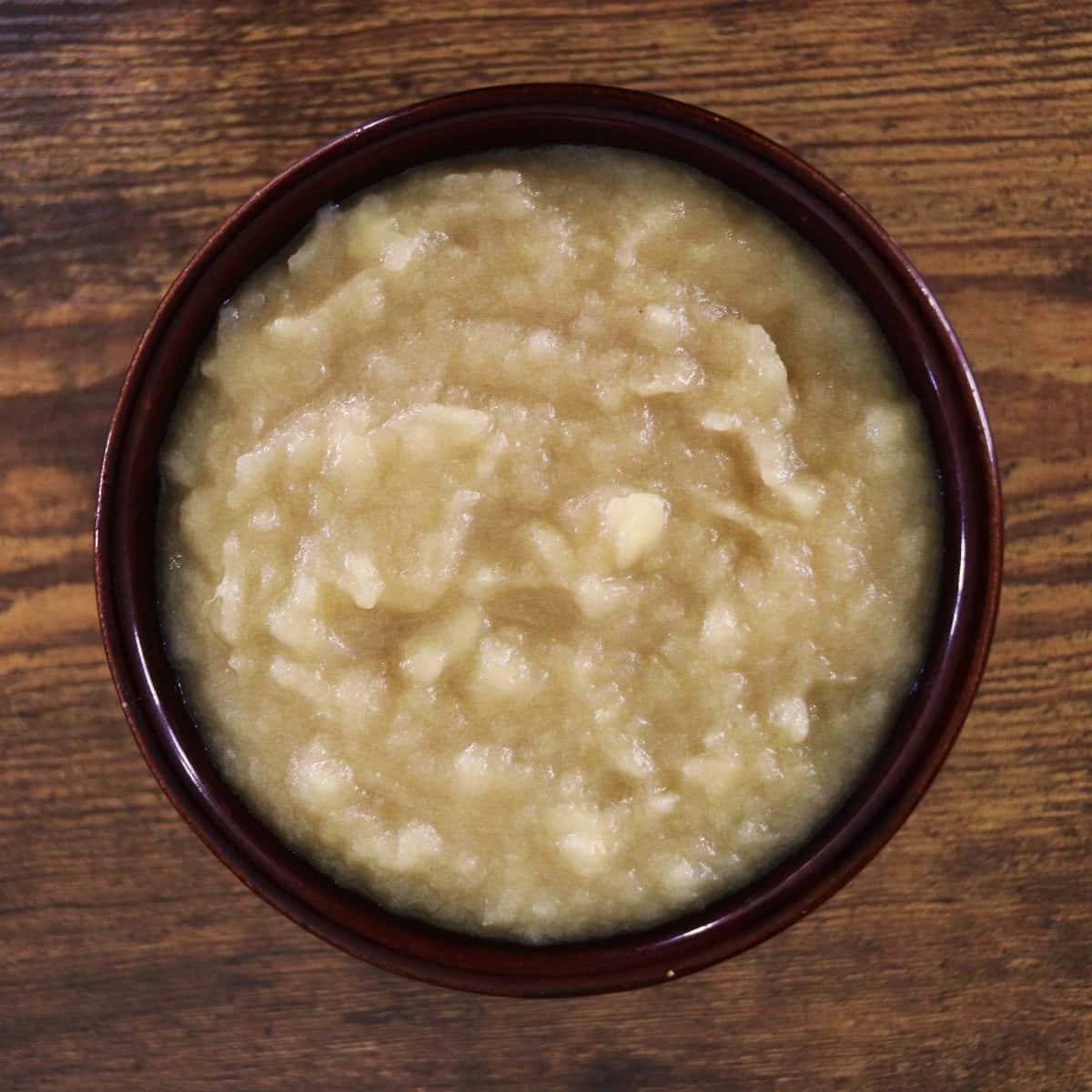
Mashed potatoes from scratch are a creamy, buttery homemade side dish made with just a handful of simple ingredients. Rich, fluffy, and downright comforting, they are just as welcome at a weeknight dinner table as they are alongside a holiday feast.
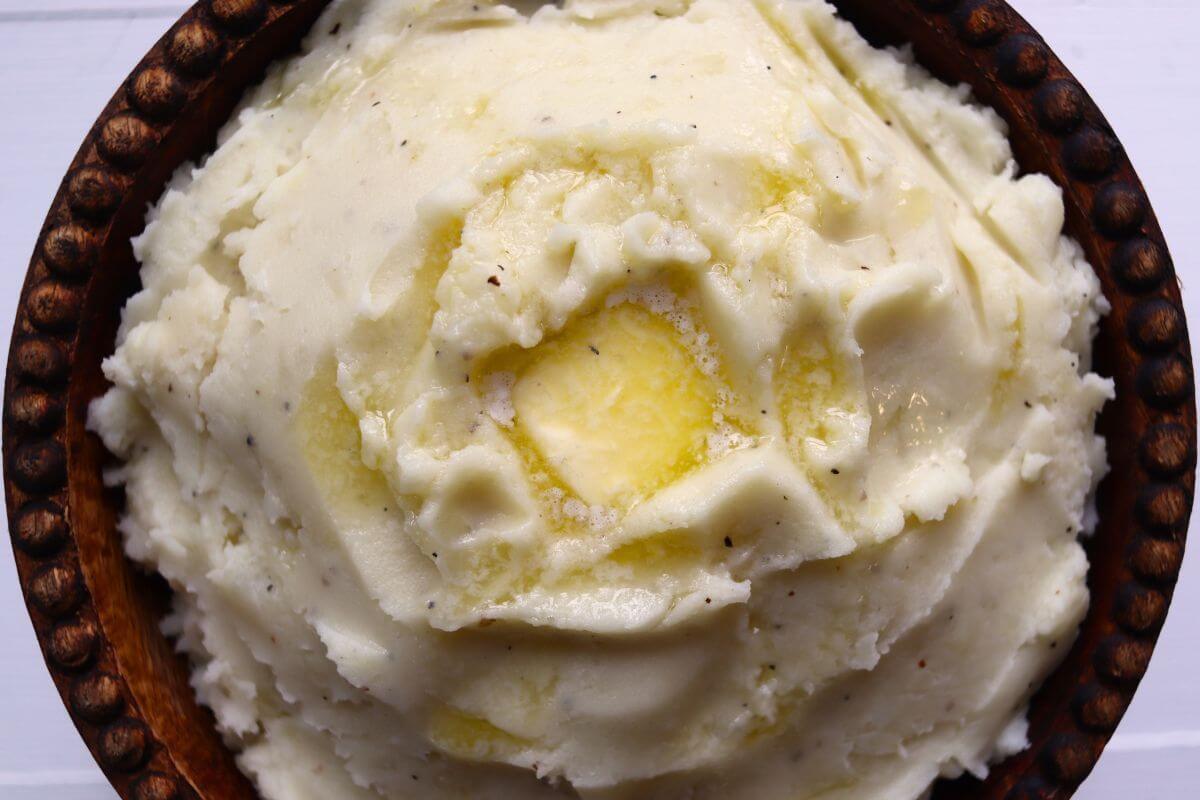
Mashed potatoes make a meal complete
I have very little self-control around a bowl of freshly made mashed potatoes. I blame it on my Irish heritage. But the real issue is probably their fluffy, indulgent nature. It’s not hard to come by a serving or two of mashed potatoes. You can get them in just about any restaurant, and they show up on dinner tables everywhere on any given night.
But finding really good mashed potatoes? That can be a little more difficult. My bias toward them has led me down the rabbit hole of figuring out how to make the very best batch more times than I can count. And I believe I’ve nailed it.
So today, I’m sharing how to make great mashed potatoes at home, along with the tips and tricks you need to get them right every time. We’ll talk about the best ingredients to use, how to make mashed potatoes ahead when you’re planning a holiday dinner, and the additions you can use to customize them to complement what you’re serving — or simply suit your mood that day.
If you love potatoes as much as I do, be sure to give my homemade German potato pancakes, oven baked twice stuffed potatoes, and homemade garlic cheese mashed potatoes a try too.
Recipe ingredients
- Russet potatoes: Choose firm, heavy russet potatoes with dry, intact skins and no soft spots, shriveling, or green areas. Their high starch and relatively low moisture content make them particularly well suited to mashed potatoes because they cook up light and fluffy and readily absorb butter and milk. Avoid waxy potatoes such as red potatoes and Yukon Golds for this recipe; their firmer, moister flesh produces a denser mash and can become pasty when worked too much.
- Garlic cloves: Fresh garlic cloves are cooked in the water along with the potatoes. They add a gentle garlic flavor throughout the mash without turning this into a strongly garlic-flavored side dish.
- Butter: This is a recipe where the quality and flavor of your butter really matter because its flavor comes through clearly in the finished potatoes. It supplies both fat and flavor, enriching the potatoes and helping create their luxurious texture. Choose a good-quality butter with a rich dairy flavor. Salted or unsalted butter will both work; if you use salted butter, account for that when seasoning the potatoes. For an entirely homemade option, use my from scratch farmhouse butter.
- Whole milk: Whole milk loosens the mashed potatoes to a smooth, creamy consistency while adding just enough richness to complement the butter. Its higher fat content make it a better choice here than lower-fat milk. You can replace the milk with cream for richer potatoes, but it will make them a bit heavier as well.
See the recipe card for full information on ingredients and quantities.
How to make mashed potatoes from scratch
Step 1: Peel the russet potatoes and cut them into roughly 1 1/2-inch chunks. Keeping the pieces close to the same size helps them cook at the same rate, so you don’t have smaller pieces falling apart before the larger ones are tender.
Step 2: Place the potatoes in a large pot and add enough cold water to cover them by about 1 inch. Starting potatoes in cold water allows them to heat gradually so the centers cook through before the outsides become too soft.
Step 3: Add the pressed garlic to the pot, then place it over high heat and bring the water to a boil.
Step 4: Reduce the heat to maintain a steady simmer and cook until the potatoes are completely fork-tender. A fork should slide easily into the center of the larger pieces without resistance. Don’t rush this stage — undercooked potatoes won’t mash smoothly and can leave firm little pieces throughout the finished dish.
Step 5: While the potatoes cook, combine the milk, butter, salt, and pepper in a small saucepan. Heat gently over low heat, stirring occasionally, just until the butter is completely melted and the milk is warm. Do not bring the mixture to a simmer or boil. Warming the dairy before adding it helps the potatoes absorb it readily without cooling the mash.
Step 6: Drain the potatoes thoroughly. Return them to the pot, pour in the warm milk and butter mixture, and mash to your desired consistency. Stop as soon as you’re happy with the texture; excessive mashing releases too much starch and can turn otherwise fluffy mashed potatoes gummy.
Add-ins for mashed potatoes
One of the easiest ways to change up homemade mashed potatoes is to add ingredients that complement the rest of the meal. For a fresh herbal flavor, stir in chopped chives, parsley, thyme, rosemary, or dill. Or top each serving with one of my classic herb butter medallions, letting the seasoned butter melt into the warm potatoes just before serving.
Roasted garlic gives the potatoes a deeper, sweeter garlic flavor, while freshly grated Parmesan, Pecorino Romano, or sharp cheddar adds plenty of savory richness.
Sour cream adds a pleasant tang and extra creaminess, while cream cheese gives the potatoes a richer flavor and a little more body. For something with a bit of a kick, add prepared horseradish — it’s particularly good when you’re serving mashed potatoes with roast beef.
You can also load ’em up like a loaded baked potato. Fold in sharp cheddar and crisp crumbled bacon, then finish the potatoes with sour cream and plenty of chopped chives. It’s an easy way to turn a simple bowl of mashed potatoes into a more substantial side dish.
Making mashed potatoes ahead for holiday dinners
To free up stovetop space before a holiday dinner, make the mashed potatoes a few hours before the meal and transfer them to a slow cooker while they’re still warm. Set it to warm, cover, and hold the potatoes for up to 3 hours.
Stir them gently once or twice during that time. If they thicken, fold in a small amount of warm milk to restore their creamy consistency. Just before serving, taste for seasoning and add a little butter or warm milk if needed.
What to do with leftover mashed potatoes
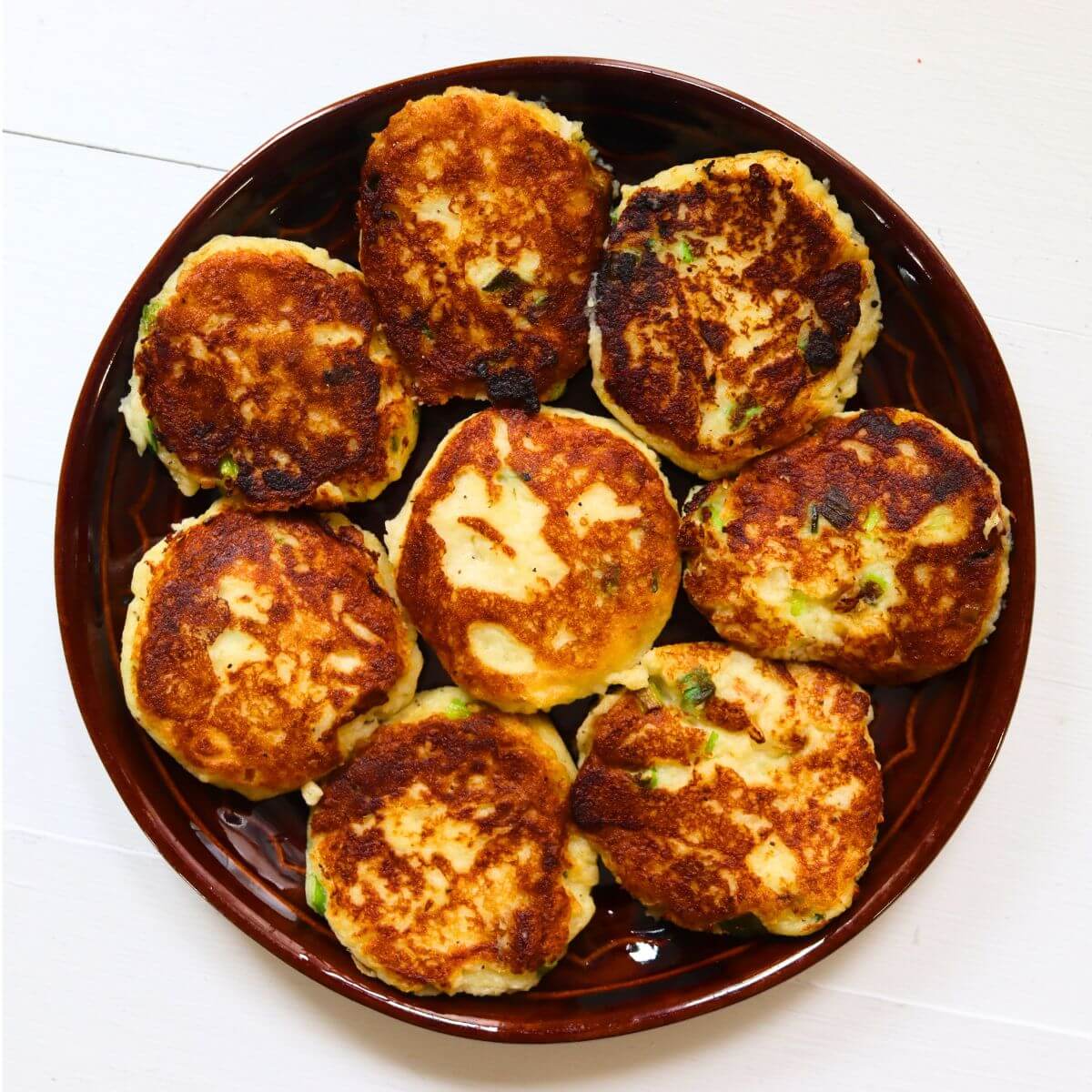
Turn leftovers into homemade mashed potato patties for a delicious way to give those extra potatoes a second life. Crisp and golden on the outside with a soft, fluffy center, you’ll find yourself making extra mashed potatoes just so you have enough to make these savory patties the next day.
If patties aren’t on the menu, leftover mashed potatoes keep well for several days. Store them in an airtight container in the refrigerator for up to 4 days. Reheat them gently on the stovetop over low heat, adding a splash of milk and a little butter as needed to restore their creamy consistency.
For longer storage, mashed potatoes can also be frozen for up to 2 months. Cool them completely, transfer them to a freezer-safe container, and freeze. Thaw overnight in the refrigerator, then reheat gently on the stovetop with additional milk and butter as needed.
Top tips
- Watch the potatoes closely for doneness: While undercooked potatoes leave firm lumps behind, overcooked potatoes begin to break down and absorb excess water. Drain them as soon as a fork slides easily through the center of the larger pieces without resistance.
- Let the drained potatoes steam briefly: Leave the potatoes in the strainer for a minute or two after draining so residual surface moisture can evaporate. Drier potatoes are better able to take up the butter and milk without diluting their flavor or becoming loose.
- Mash the potatoes while they’re still warm: After allowing that brief minute or two for excess moisture to evaporate, mash the potatoes right away. As cooked potatoes cool, their starches firm up and the potatoes become harder to mash smoothly. This means you’ll need to mash them more aggressively, releasing additional starch and increasing the risk of gummy mashed potatoes.
- Use a potato masher or ricer: For the best texture, take the time to use a handheld potato masher or potato ricer. A masher gives you more control over the finished consistency, while a ricer produces an especially light, fine, fluffy mash with minimal handling.
- Adjust the consistency at the end: Potatoes don’t always absorb exactly the same amount of liquid. If your finished mash is thicker than you’d like, gently fold in a small amount of additional warm milk until the consistency is right rather than adding a large amount at once.
- Finish the seasoning after mashing: Taste the potatoes once the butter and milk have been incorporated, then adjust the salt and pepper as needed. Potatoes need enough seasoning to bring out their flavor, and tasting the finished dish is the best way to judge it.
Serve
Mashed potatoes are made for dinners with plenty of savory gravy to spoon over them. Serve them alongside my from scratch skillet meatloaf, Salisbury steak, roast beef, pot roast, Swedish meatballs, or beef tips and gravy. Better yet, ladle ground beef in brown gravy or old fashioned turkey tips right over the potatoes for a hearty, old-fashioned dinner.
They’re every bit as good alongside chicken. Pair them with homemade baked chicken for a classic meat-and-potatoes meal, or spoon homemade chicken and gravy right over the mash. Oven baked chicken leg quarters with bbq sauce and baked pineapple BBQ chicken take the meal in a sweet and tangy direction, with the buttery potatoes balancing the barbecue sauce.
Pork chops and pork tenderloin with apples are both natural partners for buttery mashed potatoes as well. And when the holidays roll around, keep things traditional with roast turkey and gravy for Thanksgiving or baked ham for Easter and Christmas — the kind of meals where a big bowl of homemade mashed potatoes belongs right in the middle of the table.
Would you like to save this post for later?
Other recipes you’ll love
If you loved this from scratch potato recipe, give these other great dinner side recipes a try too!
Waldorf Potato Salad
Hand Cut French Fries
Old-Fashioned Potato Salad
Garlic Asiago Potato Wedges
Sweet and Tangy Braised Red Cabbage with Apples
Old Fashioned Turkey Stuffing Recipe
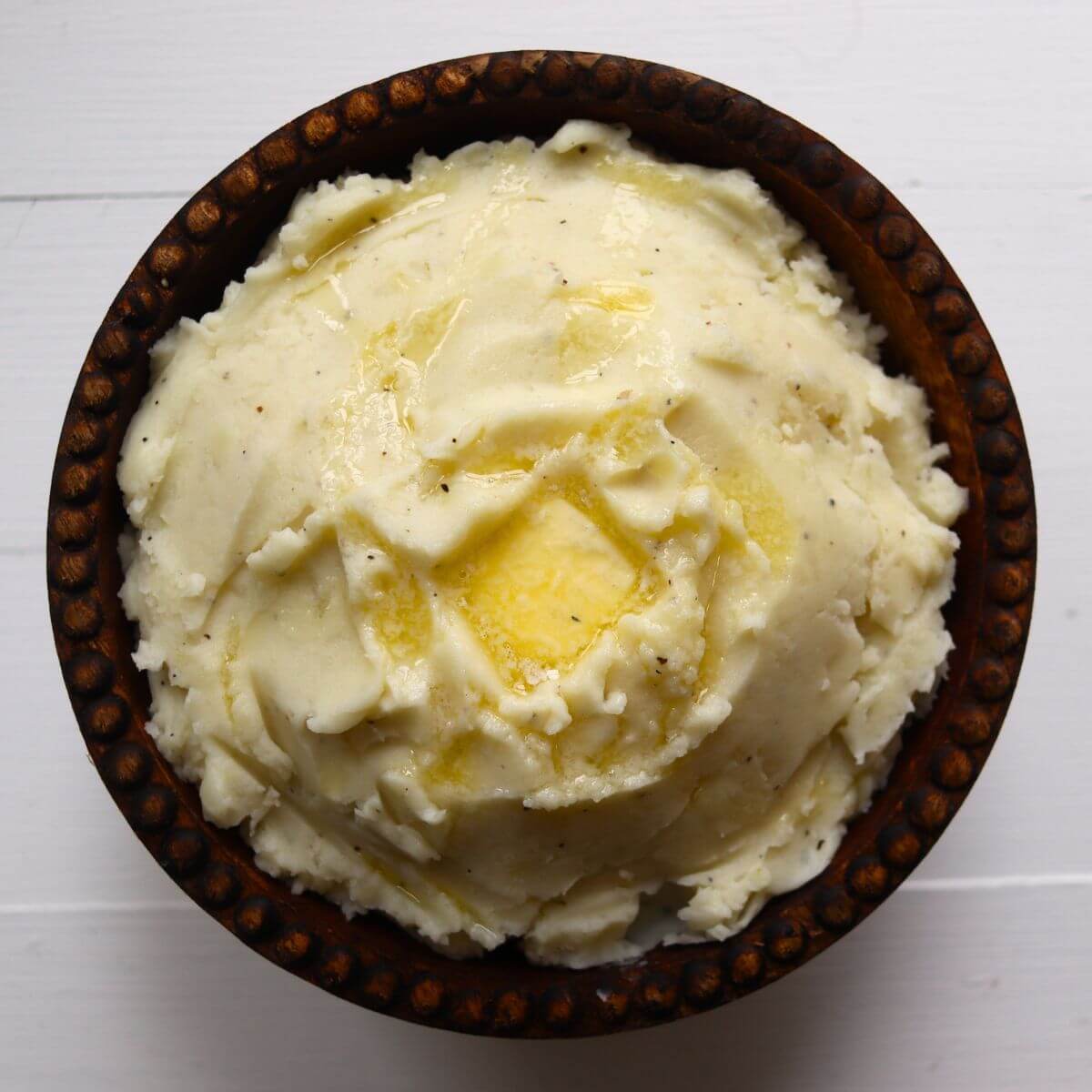
Mashed Potatoes From Scratch
Ingredients
- 4 pounds russet potatoes
- 3 large garlic cloves pressed
- 6 tablespoons butter
- 1/2 cup whole milk
- 1/2 teaspoon salt more to taste
- 1/2 teaspoon coarse ground black pepper more to taste
Instructions
- Peel the russet potatoes and cut them into 1 1/2-inch chunks.
- Place the potatoes in a large pot and add enough cold water to cover them by about 1 inch.
- Add the pressed garlic and bring the water to a boil over high heat. Reduce to a gentle simmer and cook until the potatoes are fork-tender, about 8–10 minutes.
- Meanwhile, combine the whole milk, butter, salt, and pepper in a small saucepan. Warm gently over low heat just until the butter is melted and the milk is warm. Do not simmer or boil.
- Drain the potatoes thoroughly and return them to the pot. Pour in the warm milk and butter mixture.
- Mash the potatoes just until they reach your desired consistency. Taste and adjust the salt and pepper as needed.
Notes
- Keep the finished mashed potatoes covered in a slow cooker on warm for up to 3 hours.
- Refrigerate leftovers in an airtight container for up to 4 days.
- Freeze cooled mashed potatoes in a freezer-safe container for up to 2 months. Thaw overnight in the refrigerator before reheating.
- Reheat gently on the stovetop over low heat, adding a little milk and butter as needed to restore the creamy consistency.
Nutrition
Nutrition information is automatically calculated, so should only be used as an approximation.