
Authentic German Potato Pancakes

Authentic german potato pancakes, known in Germany as kartoffelpuffer, are made with freshly grated potatoes and simple, traditional ingredients. This classic preparation creates pancakes that are crisp and golden on the outside with a tender interior, cooked quickly in a hot skillet. Straightforward and dependable, they’re best served immediately while the edges are still crisp.
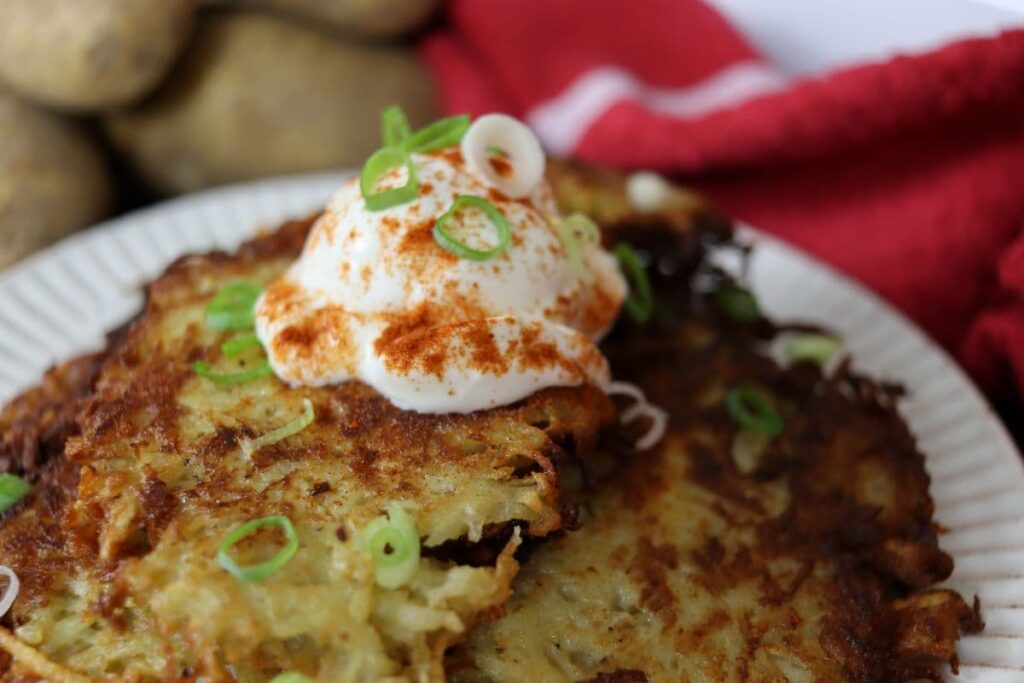
Bringing local fair-style food into my home kitchen
Potato pancakes have always been part of the food culture where I’m from. They’re widely served at local fairs and community events, fried in oil until crisp and golden, and traditionally enjoyed with nothing more than sour cream or applesauce alongside them — because that’s truly all they need.
Making authentic German potato pancakes in a cast iron skillet at home recreates that same fair-style texture and flavor, that is so reliably served through food truck windows at local events, right in your own kitchen.
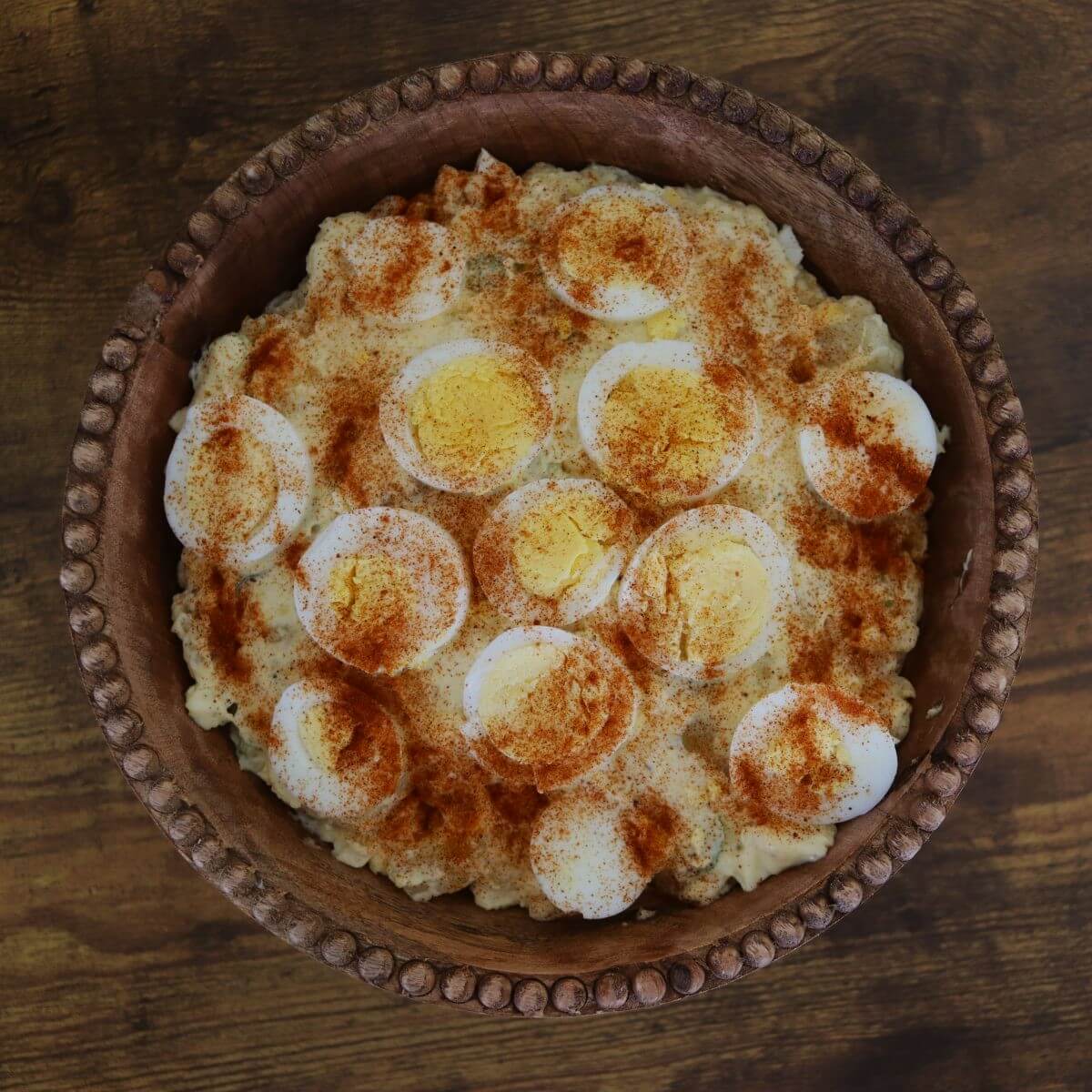
On the plate, they serve a similar role to from scratch french fries, traditional homemade potato salad, and garlic mashed potatoes with cheese — but with a distinct character all their own.
Paired with mains like sticky hot honey glazed chicken, homemade chicken casserole from scratch, or traditional cast iron meatloaf, they add complementary flavor and crisp contrast to the plate while allowing the main dish to remain the focus.
Recipe ingredients
All ingredients for this recipe are shown in the pic below and special notes are made in this bulleted list to assist you.
- Potatoes: Russet potatoes are the preferred choice for authentic German potato pancakes, because their high starch content and naturally dry texture create better structure and a crispier finish when fried than other varieties. Avoid waxy potatoes like red or Yukon gold, which retain more moisture and can lead to softer pancakes.
- Breadcrumbs: Plain breadcrumbs are traditionally used to bind excess moisture in the pancakes, without changing the classic flavor profile. If you prefer subtle variation, lightly seasoned breadcrumbs can be used, but avoid heavily flavored blends that may overpower the potatoes.
- Sour cream: Choose full-fat sour cream for proper richness and body. It can be left plain or lightly seasoned with garlic powder or onion powder to add depth, while keeping the focus on the potato flavor.
- Applesauce: A simple, unsweetened applesauce is traditional and provides clean contrast to the savory pancakes. For a slightly deeper finish, applesauce with caramel flavor adds gentle sweetness without overwhelming the dish.
See the recipe card for full information on ingredients and quantities.
Would you like to save this post for later?
How to make authentic German potato pancakes
Step 1: Place the shredded potatoes in a flour sack towel or muslin cloth and squeeze firmly until no more liquid releases. Removing excess moisture is critical — it allows the pancakes to hold their shape and develop a crisp exterior instead of steaming in the pan.
Step 2: Transfer the drained potatoes to a large bowl and add the grated onion, breadcrumbs, eggs, minced garlic, salt, and pepper. Stir thoroughly until the ingredients are evenly incorporated and the mixture feels cohesive when pressed together with a spoon.
Step 3: Add the vegetable oil to a 10″ cast iron skillet and heat over medium to medium-high heat until it reaches 350–365°F (175–185°C). The oil should shimmer across the surface and immediately sizzle when a small portion of the mixture touches it. Proper oil temperature ensures crisp browning without absorbing excess oil.
Step 4: Spoon about ¼ cup of the potato mixture directly into the hot oil, working one at a time and leaving space between each pancake. As each portion goes into the skillet, immediately press it gently with the back of the spoon to form an even round about ½ inch thick so it cooks uniformly from edge to center.
Step 5: Cook for 3–4 minutes on the first side, until the underside is richly golden brown and the edges appear set and crisp. Turn carefully and cook an additional 3–4 minutes on the second side until evenly browned and cooked through.
Step 6: Transfer the finished pancakes to a wire rack set over a baking sheet. Allowing air to circulate underneath prevents the crisp exterior from softening.
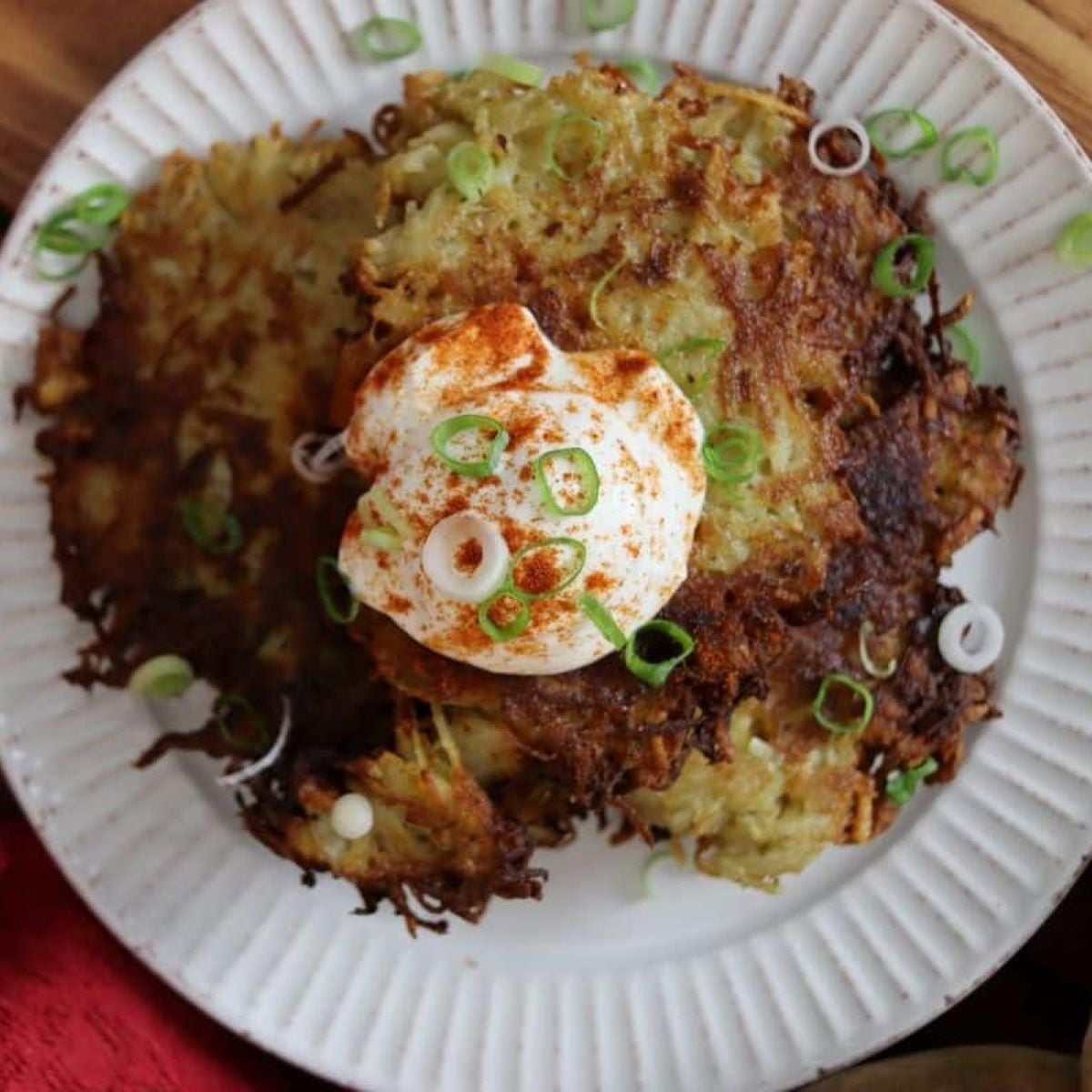
Step 7: These are best enjoyed hot, either plain or garnished lightly with paprika and sliced scallions, and with sour cream or applesauce on the side.
Top tips
- Moisture control determines texture: Even after squeezing the potatoes, some liquid will continue to release as the mixture rests. If moisture collects in the bowl, pour it off before frying. Excess water is the most common reason potato pancakes turn soft instead of crisp.
- Texture depends on oil stability: If the oil temperature drops below 350°F (175°C), the pancakes will absorb oil before the crust sets. If it climbs above 365°F (185°C), the exterior will brown too quickly and the interior can remain undercooked. Adjust the burner between batches to maintain a steady temperature for best results.
- The mixture should hold when pressed: Before frying, press a small portion together in your hand. If it falls apart, the potatoes may still contain too much moisture. If it feels overly dense, too much binder was added. The mixture should feel cohesive but not compacted.
- Allow the crust to set before turning: If a pancake resists lifting cleanly, it is not ready to flip. Forcing it too early disrupts structure and prevents proper browning. A properly set crust will lift naturally from the skillet.
- Crispness fades from trapped steam, not time: Stacking pancakes, or placing them on paper towels, traps steam and softens the exterior. A wire rack allows air circulation underneath, preserving the traditional crisp texture associated with authentic German potato pancakes.
- Serve them fresh whenever possible: These pancakes are at their peak texture shortly after frying. Reheating restores warmth, but the initial crisp exterior is always strongest when served immediately.
Other recipes you’ll love
If you loved this side dish recipe, give these other great recipes a try too!
Vegan Korean Pancake Recipe
Garlic Asiago Potato Wedges
Classic Twice Baked Potato
Simple Garden Fresh Side Dish
Old Fashioned Farmhouse Coleslaw
Old-Fashioned Stewed Green Beans
Authentic German Potato Pancakes
Ingredients
- 4 1/2 cups peeled and shredded russet potatoes
- 1/2 cup grated white onion
- 1/2 cup unseasoned breadcrumbs
- 3 eggs beaten
- 1 garlic clove pressed
- 1/2 teaspoon salt
- 1/2 teaspoon ground black pepper
- 1 cup vegetable oil
- smoked paprika optional garnish
- chopped scallions optional garnish
- sour cream optional side
- applesauce optional side
Instructions
- Place shredded potatoes in a flour sack towel or muslin cloth and squeeze firmly until no excess liquid remains to ensure proper structure.
- Transfer potatoes to a bowl and add onion, breadcrumbs, eggs, garlic, salt, and pepper, stirring until evenly incorporated and cohesive.
- Add the vegetable oil to a 10-inch cast iron skillet and heat over medium to medium-high until it reaches 350–365°F (175–185°C) and shimmers across the surface.
- Spoon about ¼ cup of the mixture into the hot oil and immediately press to about ½ inch thick to promote even cooking.
- Cook 3–4 minutes until the underside is deeply golden and the edges are crisp.
- Turn carefully and cook an additional 3–4 minutes until evenly browned and cooked through.
- Transfer to a wire rack set over a baking sheet to allow excess oil to drain while maintaining crispness.
- Sprinkle with smoked paprika and sliced scallions, and serve hot with sour cream or applesauce on the side, if desired.
Notes
- Remove excess moisture completely: Even small amounts of retained liquid can cause the pancakes to spread or soften instead of forming a crisp crust.
- Check mixture consistency before frying: The mixture should hold together when pressed; if it feels loose, additional breadcrumbs may be needed to absorb excess moisture.
- Maintain steady oil temperature: Consistent heat between 350–365°F (175–185°C) ensures proper browning without excess oil absorption.
- Reheat for crispness: Warm leftovers in a skillet or in a 375°F (190°C) oven to help restore exterior texture.
- Store properly: Refrigerate cooled pancakes in an airtight container for up to 3 days.
Nutrition
Nutrition information is automatically calculated, so should only be used as an approximation.

I hope you enjoy making these authentic German potato pancakes as much as I do! They’re the perfect combination of crispy and delicious, and I’m sure they’ll become a favorite in your kitchen. If you try the recipe, I’d love to hear what you think — please leave a review and let me know how it turned out for you! And if you have any questions about the recipe or need any tips, feel free to ask in the comments below. I’m always happy to help!