Russian Sour Cabbage (Traditional Russian Sauerkraut)

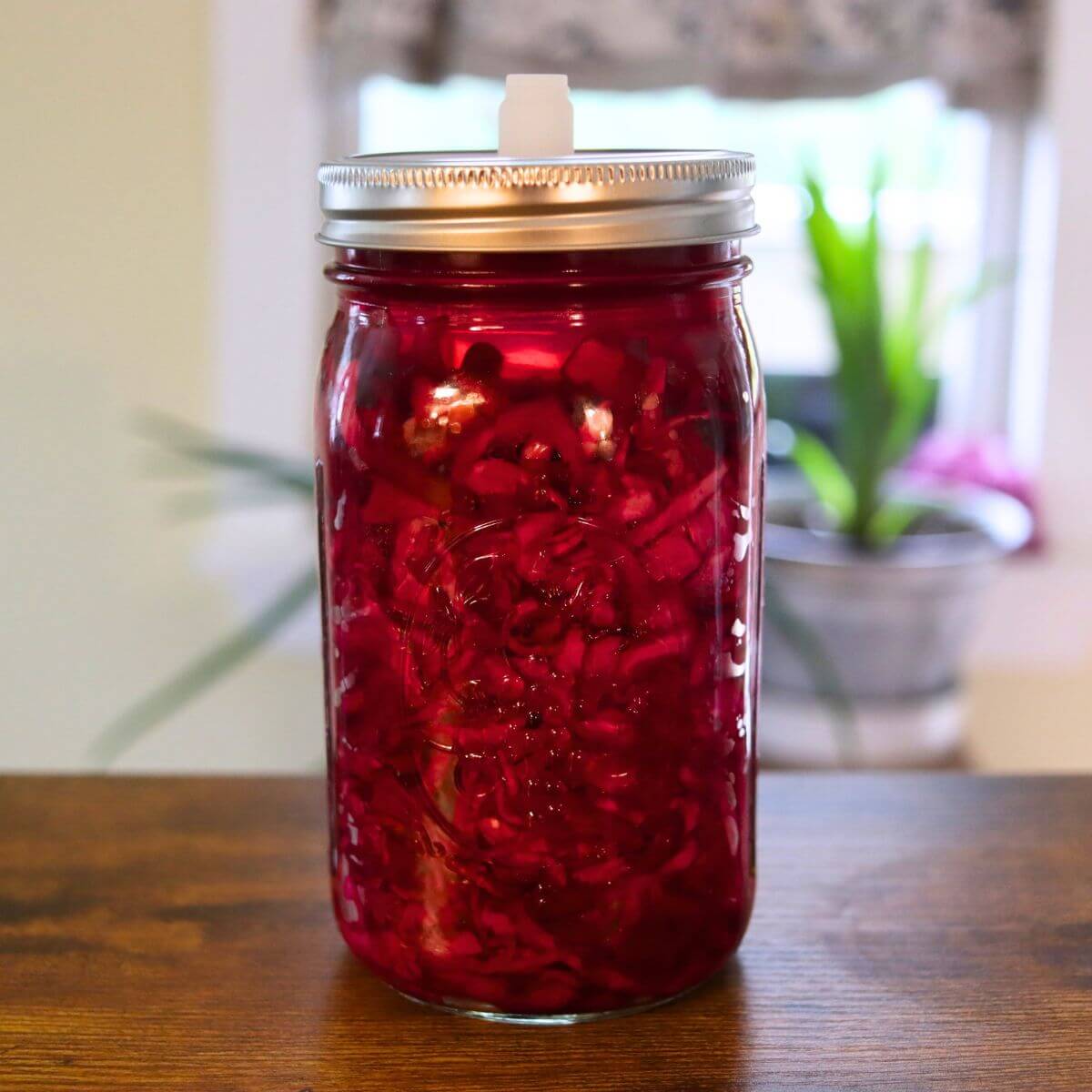
Russian sour cabbage, also known as kvashenaya kapusta, is a traditional fermented cabbage dish with a pleasantly tangy flavor and satisfying crunch. Made with just a few simple ingredients, this old-fashioned Russian staple is easy to prepare at home and makes a delicious addition to everyday meals.
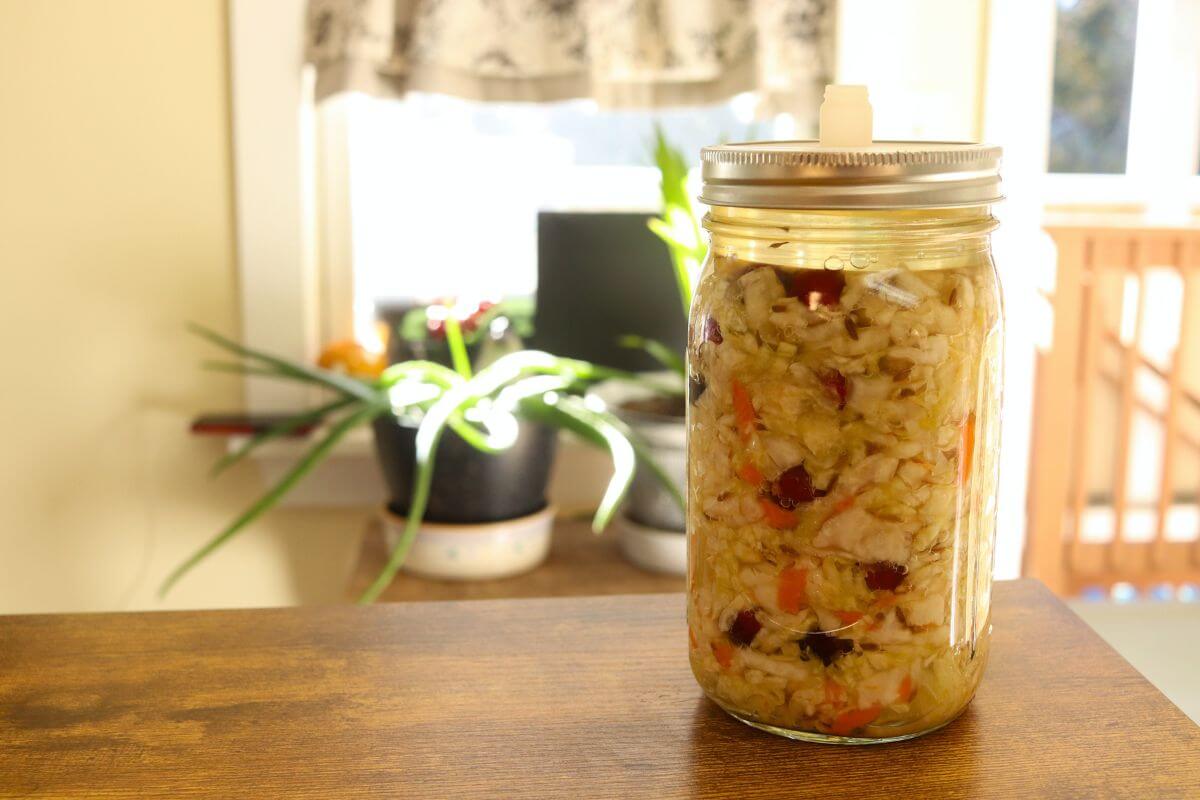
Make half-sour kraut for your table
The moment I learned that Russian sauerkraut is traditionally made half-sour style, I knew I had to try it. Half-sour ferments use less salt and have a shorter fermentation time than fully fermented versions. I used to buy large half-sour pickles to slice and serve on sandwiches in my food truck. They were such a hit with my customers that I eventually started selling the pickles themselves!
This Russian sour cabbage did not disappoint. I made a jar on a Sunday afternoon and opened it the following weekend. It was gone in no time! I’m already planning to make another batch this coming weekend. Maybe even a few jars so I can share.
Many Russian sauerkraut recipes contain little more than cabbage, carrots, and spices. My version includes shredded apple and cranberries, giving it a festive touch that’s perfect for the holiday table. But you can leave out the apples, the cranberries, or both and enjoy this traditional fermented cabbage any time of year.
If you love preserving fruits and vegetables in the kitchen as much as I do, be sure to give my Bavarian style wine sauerkraut, small batch beet sauerkraut, and traditional spicy pickled garlic a try too.
Recipe ingredients
- Cabbage: Choose a firm, heavy head of green cabbage with tightly packed leaves. Fresh cabbage provides the best crunch and releases the natural juices needed to create the brine during fermentation. Avoid heads with wilted leaves or soft spots.
- Apple: I used a Honeycrisp apple for its crisp texture and balanced sweet-tart flavor. Fuji, Pink Lady, and Braeburn are also excellent choices. The apple adds a subtle sweetness that balances the tanginess of the fermented cabbage. Choose a firm apple that shreds easily without turning mushy.
- Cranberries: Use fresh cranberries for their bright, tart flavor and vibrant red color. Their acidity complements the sweetness of the apple and the tanginess of the cabbage. Look for firm, glossy berries and discard any that are soft or shriveled.
- Caraway Seeds: Choose whole caraway seeds for their warm, earthy flavor and subtle anise notes. They add depth to the sauerkraut without overpowering the cabbage, apple, or cranberries. Whole seeds gradually release their aromatic oils as the cabbage ferments.
See the recipe card for full information on ingredients and quantities.
How to make Russian sour cabbage
Step 1: Place the shredded cabbage in a large mixing bowl and sprinkle it with the salt. Use clean hands to massage the salt into the cabbage, squeezing and turning it until the leaves begin to soften and release their natural juices.
Step 2: Add the carrots, apple, fresh cranberries, and caraway seeds to the cabbage. Toss everything together until the ingredients are evenly distributed. Be sure to retain all of the liquid in the bowl, as you’ll need it for the fermentation process.
Step 3: Divide the cabbage mixture between two clean, quart-size glass jars. Add it a handful at a time, pressing down firmly after each addition to eliminate air pockets and encourage the brine to rise above the vegetables. Pour any remaining liquid from the bowl into the jars. Leave approximately 1½ inches of headspace.
Step 4: Place a fermentation weight in each jar to keep the ingredients submerged beneath the brine, then secure the jars with fermentation lids. Place the jars on a tray to catch any overflowing brine.
Note: If you don’t have fermentation weights, fill a small food-safe plastic bag with brine made by dissolving ½ teaspoon of pickling salt in ½ cup of water. Seal the bag securely and place it on top of the cabbage to keep the ingredients submerged beneath the liquid. If you don’t have fermentation lids, use regular jar lids fitted loosely enough to allow gas to escape, or briefly loosen the lids daily to release pressure.
Step 5: Place the jars in a cool spot away from direct sunlight and allow the cabbage to ferment for 4 to 7 days. Check them daily to make sure the ingredients remain submerged beneath the brine. Begin tasting the cabbage after 4 days. It should develop a pleasantly tangy flavor while retaining much of its original crunch. Continue fermenting until it reaches your preferred level of sourness. Once the flavor is to your liking, transfer the jars to the refrigerator to slow fermentation.
Top tips
- Shred the cabbage evenly: Cut the cabbage into thin, uniform strips so it ferments at a consistent rate. Thick pieces take longer to soften and can create an uneven texture in the finished sauerkraut.
- Use whole cranberries: Leave the cranberries whole rather than chopping or crushing them. This helps them retain their shape and keeps their tart flavor concentrated in little bursts throughout the sauerkraut.
- Maintain a consistent temperature: Aim for a fermentation temperature of 65–72°F (18–22°C). Warmer temperatures accelerate fermentation and can soften the cabbage, while cooler temperatures slow the process.
- Watch for signs of spoilage: A pleasantly sour aroma and small bubbles are normal signs of fermentation. Discard the batch if you notice fuzzy mold, a rotten smell, or a slimy texture.
Would you like to save this post for later?
Serve
Russian sour cabbage pairs beautifully with rich, savory dishes. Pork and fermented cabbage are a classic combination. Serve it alongside pork tenderloin with apples, roasted pork chops, or a holiday roasted herb butter turkey breast. It’s also delicious with homemade turkey tips, baked hot honey chicken thighs, or oven baked Italian chicken and potatoes.
Sausage is another natural pairing. Try it with garlic basil sausage, hot Italian sausage from scratch, or homemade fennel sausage. Potato dishes are equally delicious with fermented cabbage, particularly traditional German potato pancakes and homemade mashed potato patties.
Russian sour cabbage also makes a flavorful sandwich topping. Add it to a skillet grilled cheese with apple, a turkey bacon cheese melt sandwich, or a warm roast pork sandwich for extra crunch and tang.
For entertaining, serve it alongside cured meats, cheeses, artisan rye bread from scratch, and classic garlic dill pickles. Its colorful cranberries make it a lovely addition to a holiday charcuterie board.
Other recipes you’ll love
If you loved this from scratch Russian sour cabbage recipe, give these other great recipes a try too!
Pickled Mushrooms: Traditional Polish Quick Pickle Recipe
Easy Salt Preserved Lemons Recipe
Spicy Pickled Eggs Recipe With Jalapeños
Yellow Mustard Pickled Eggs Recipe
Farmhouse Red Beet Pickled Eggs (Old-Fashioned Recipe)
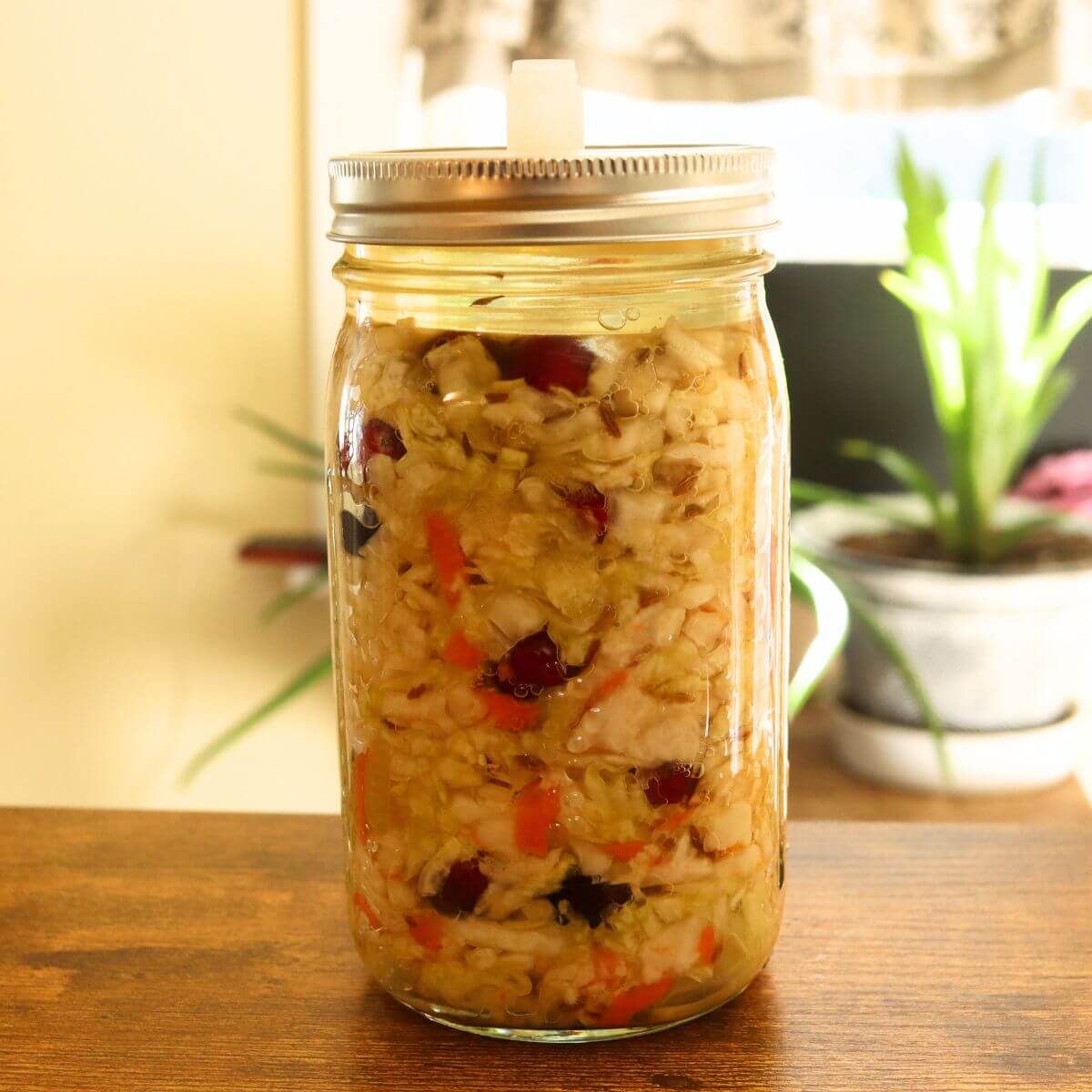
Russian Sour Cabbage
Ingredients
- 2 1/2 pounds cabbage sliced thin
- 1 tablespoon pickling salt
- 1 medium carrot grated
- 1/2 medium Honeycrisp apple grated
- 1/2 cup fresh cranberries
- 1 tablespoon caraway seeds
Instructions
- Place the shredded cabbage and salt in a large bowl. Massage the cabbage until it softens and releases its natural juices.
- Add the carrots, apple, fresh cranberries, and caraway seeds. Toss to combine.
- Pack the mixture tightly into two quart-size jars, pressing down to remove air pockets. Pour any remaining brine over the cabbage, leaving 1½ inches of headspace.
- Place fermentation weights over the cabbage to keep it submerged beneath the brine. Secure the jars with fermentation lids.Note: If you don't have weights, fill small food-safe plastic bags with brine made from ½ teaspoon of pickling salt per ½ cup of water. Seal securely and place over the cabbage. If you don't have fermentation lids, use loosely fitted regular lids to allow gas to escape.
- Ferment in a cool spot away from direct sunlight for 4–7 days, checking daily to ensure the cabbage remains submerged. Taste after 4 days and continue fermenting until the desired sourness is reached.
- Once the flavor is to your liking, transfer the jars to the refrigerator to slow fermentation.
Notes
-
Honeycrisp, Fuji, Pink Lady, and Braeburn apples all work well in this recipe.
-
Use whole, fresh cranberries to maintain their texture and provide bursts of tart flavor.
-
Maintain a temperature of 65–72°F (18–22°C) for the best flavor and texture.
-
A shorter fermentation produces a milder, less sour cabbage. Taste daily after day 4 to determine your preferred flavor.
- Store the finished sour cabbage in the refrigerator for up to 4 weeks.
Nutrition
Nutrition information is automatically calculated, so should only be used as an approximation.