Oven Roasted Turkey Breast with Butter and Fresh Herbs

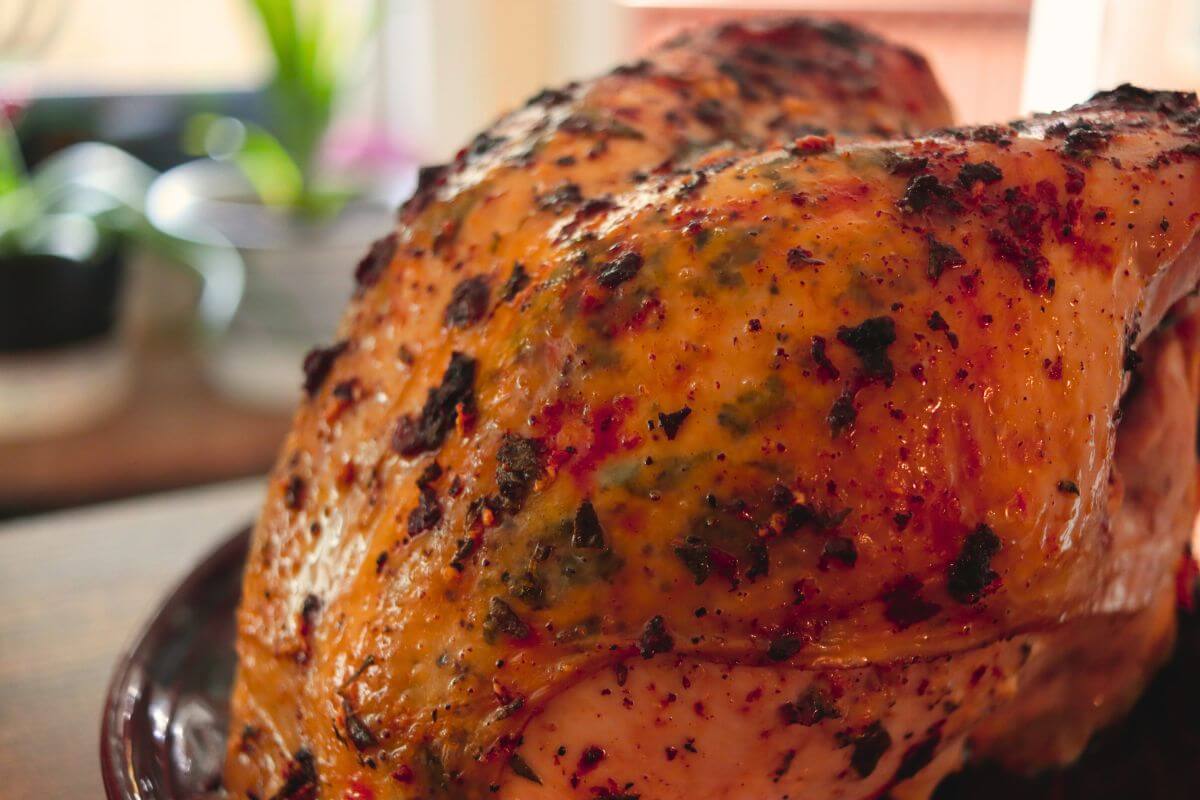
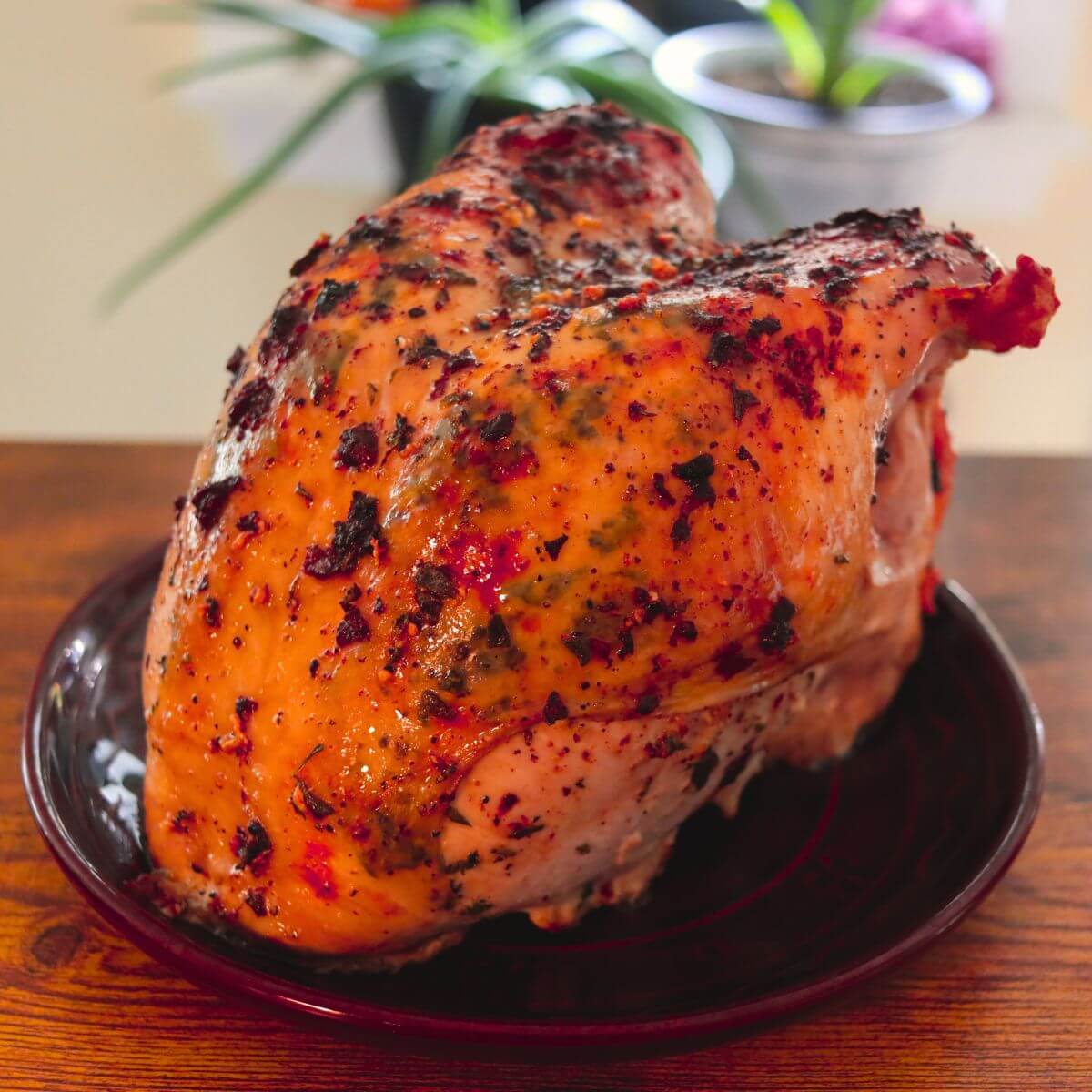
This roasted turkey breast is coated in butter and herbs, then roasted until beautifully golden on the outside and tender and juicy on the inside. Full of rich, savory flavor, it’s perfect for holiday dinners or anytime you want a delicious turkey dinner without roasting a whole bird.
Roasted turkey likes small groups too
With so many ways to prepare turkey breast, one of the simplest and most flavorful is to roast it with butter and fresh herbs.
I hadn’t made turkey breast this way since I first tried it about six years ago, back when I lived in Maine and grew my own herb garden. This year, I grew a few herbs on my porch, and they inspired me to make it again.
It was every bit as delicious as I remembered, maybe even better! The butter and fresh herbs give the turkey a wonderful savory flavor, and the meat roasts up juicy, tender, and perfect for slicing. I am already certain there will be plenty more herb roasted turkey breasts coming out of my kitchen in the future.
If you enjoy making turkey dishes from scratch as much as I do, be sure to try my homemade mini turkey meatballs, roasted turkey thighs with apple cider brine, and Cajun roasted turkey breast, too.
Recipe ingredients
- Turkey breast: Choose a bone-in, skin-on turkey breast with plump, evenly shaped meat and intact skin. The bone helps the breast cook more evenly, while the skin protects the lean meat from drying out and develops a beautifully golden, flavorful exterior during roasting.
- Butter: Use high-quality butter with a rich, creamy flavor. Butter carries the flavor of the fresh herbs, adds richness to the lean turkey breast, and encourages browning. My old-fashioned homemade butter is an excellent choice.
- Fresh thyme: Choose tender sprigs with bright green leaves and a pronounced herbal fragrance. Thyme contributes delicate earthy notes that complement turkey without masking its natural flavor.
- Fresh rosemary: Look for supple sprigs with deep green needles and a fresh, resinous aroma. Rosemary provides a robust, pine-like flavor that adds depth to the herb butter. Fresh rosemary has a cleaner, brighter flavor than dried.
- Fresh sage: Select soft, silvery-green leaves that are fragrant and free of dark spots. Sage adds a distinctive savory, slightly peppery flavor with warm, earthy undertones. Its natural affinity for butter and poultry makes it particularly well suited to roasted turkey.
See the recipe card for full information on ingredients and quantities.
Would you like to save this post for later?
How to make roasted turkey breast
Step 1: Combine the softened butter, salt, black pepper, garlic, fresh thyme, rosemary, and sage in a small bowl. Mix thoroughly until the seasonings and herbs are evenly distributed throughout the butter.
Step 2: Pat the turkey breast dry with a clean flour sack. Removing excess surface moisture helps the butter adhere to the skin and encourages better browning during roasting.
Step 3: Carefully loosen the skin from the breast meat with your fingers, working gently to avoid tearing it. Spread half of the herb butter directly over the meat beneath the skin, distributing it as evenly as possible. Rub the remaining butter over the outside of the breast, covering the skin thoroughly.
Step 4: Place the turkey breast in a baking dish and position it in the center of a preheated 325°F (163°C) oven. Roast for approximately 15 minutes per pound, basting with the buttery pan juices every 20 minutes to encourage even browning and develop flavor. Use the roasting time as a guideline rather than relying on it to determine doneness.
Step 5: Insert an instant-read thermometer into the thickest part of the breast without touching the bone. Remove the turkey from the oven when the internal temperature reaches 165°F (74°C), or just shy of it. The internal temperature will continue to rise slightly after the turkey is removed from the oven as heat moves toward the center of the meat. Let it rest for 15 minutes before carving, allowing the juices to redistribute for tender, juicy slices. Make sure the turkey reaches a safe internal temperature of 165°F (74°C) before serving.
Top tips
- Bring the turkey closer to room temperature: Remove the turkey breast from the refrigerator about 30 minutes before roasting. Taking the chill off the surface helps promote more even cooking.
- Use the right baking dish: Choose a baking dish that comfortably holds the turkey breast without leaving excessive empty space. An oversized dish allows the pan juices to spread too thinly and potentially scorch.
- Keep the breast elevated: If you have a small roasting rack that fits your baking dish, use it to keep the underside of the turkey from sitting directly in the rendered fat and juices.
- Watch the skin as it browns: If the skin becomes deeply golden before the turkey is fully cooked, loosely tent the breast with aluminum foil to prevent it from getting too dark.
- Carve against the grain: For the most tender slices, remove each breast half from the bone and slice across the muscle fibers rather than parallel to them.
- Save the pan drippings: The buttery juices left in the baking dish are packed with turkey and herb flavor. Save them to make homemade gravy or spoon a little over the carved meat before serving.
Serve
Make a comforting, home-cooked meal with homemade mashed potatoes, garlic cheese mashed potatoes, sweet potato casserole from scratch, or classic turkey stuffing. Round out the plate with slow simmered green beans, roasted carrots with honey balsamic glaze, or a sweet-tart red cabbage and apples side dish.
For a delicious contrast to the savory herb roasted turkey, serve with applesauce with caramel flavor or homemade pear chutney. If you prefer something tangy, serve white wine pickled mushrooms, traditional wine sauerkraut, or small batch beet sauerkraut alongside the turkey.
Don’t forget the bread! Rustic pumpkin cornbread, homemade yeast dinner rolls, and pumpkin yeast rolls are all delicious additions to the table.
Leftover turkey breast is perfect for making shredded turkey barbecue, comforting turkey wild rice soup, or creamy turkey broccoli risotto. You can also pair cold slices with sweet and spicy cranberry mustard and classic farmhouse coleslaw for an easy lunch.
Other recipes you’ll love
If you loved this from scratch roasted turkey breast recipe, give these other great main dish recipes a try too!
Marinated Turkey Tips Recipe
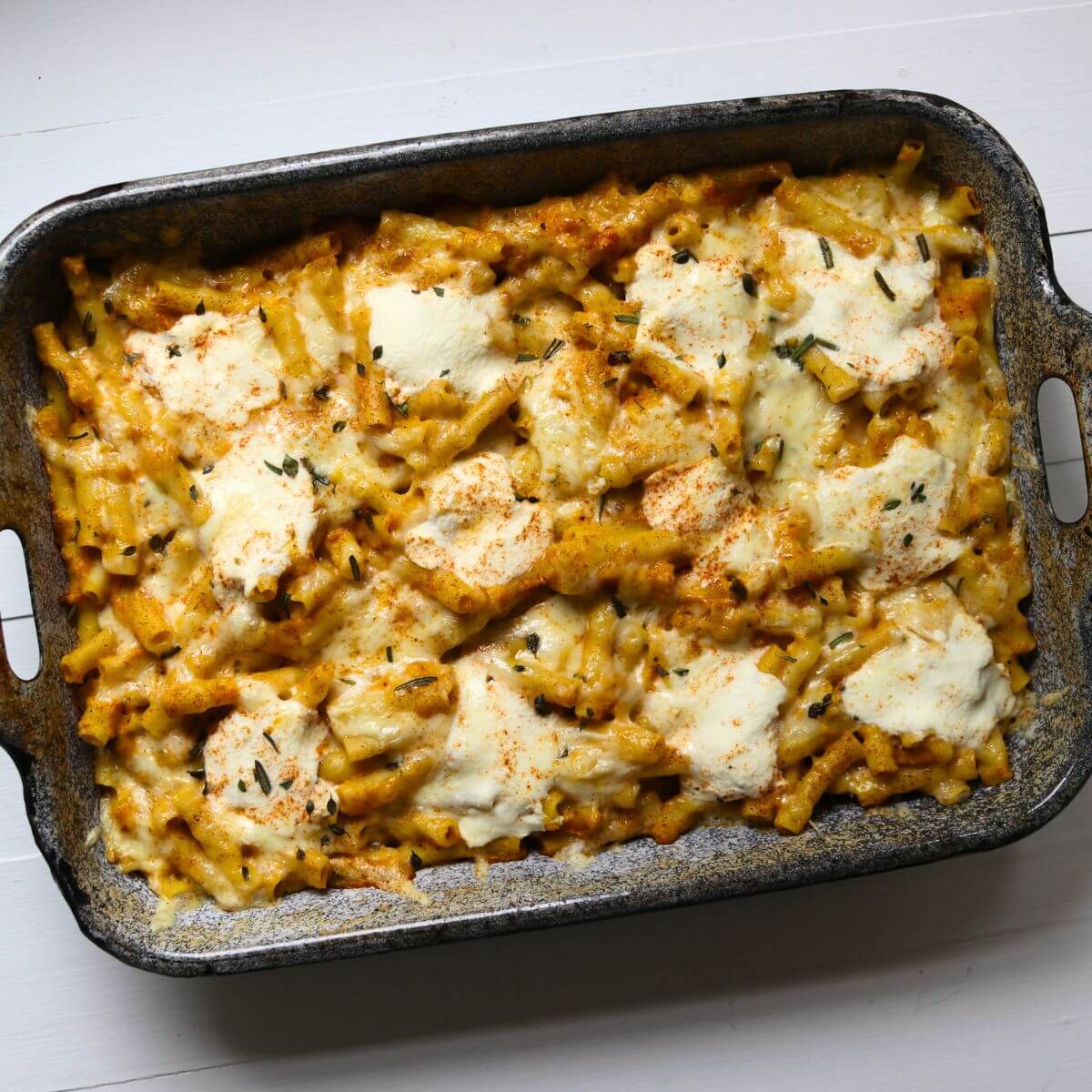
Creamy Baked Pumpkin Pasta
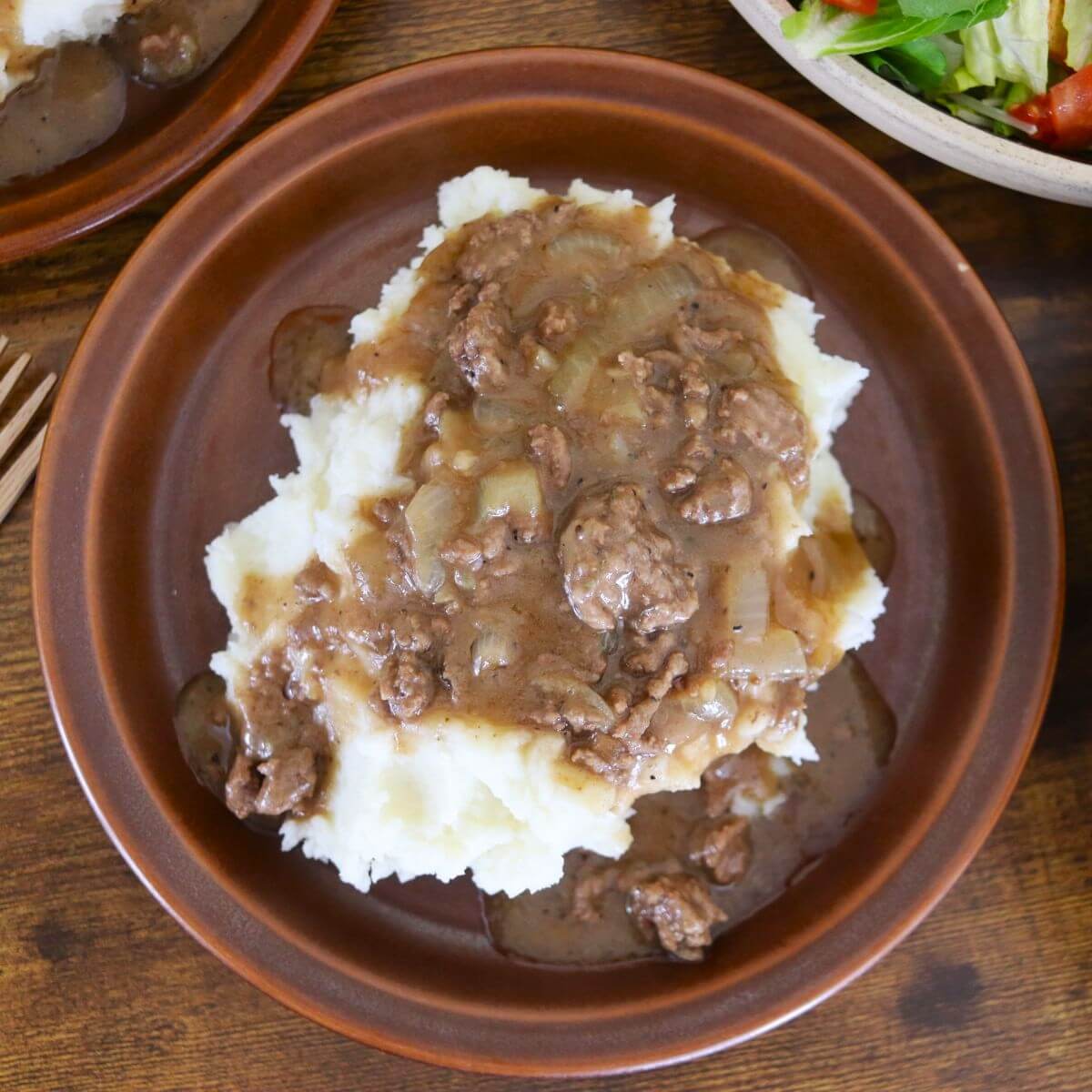
Traditional Cottage Pie
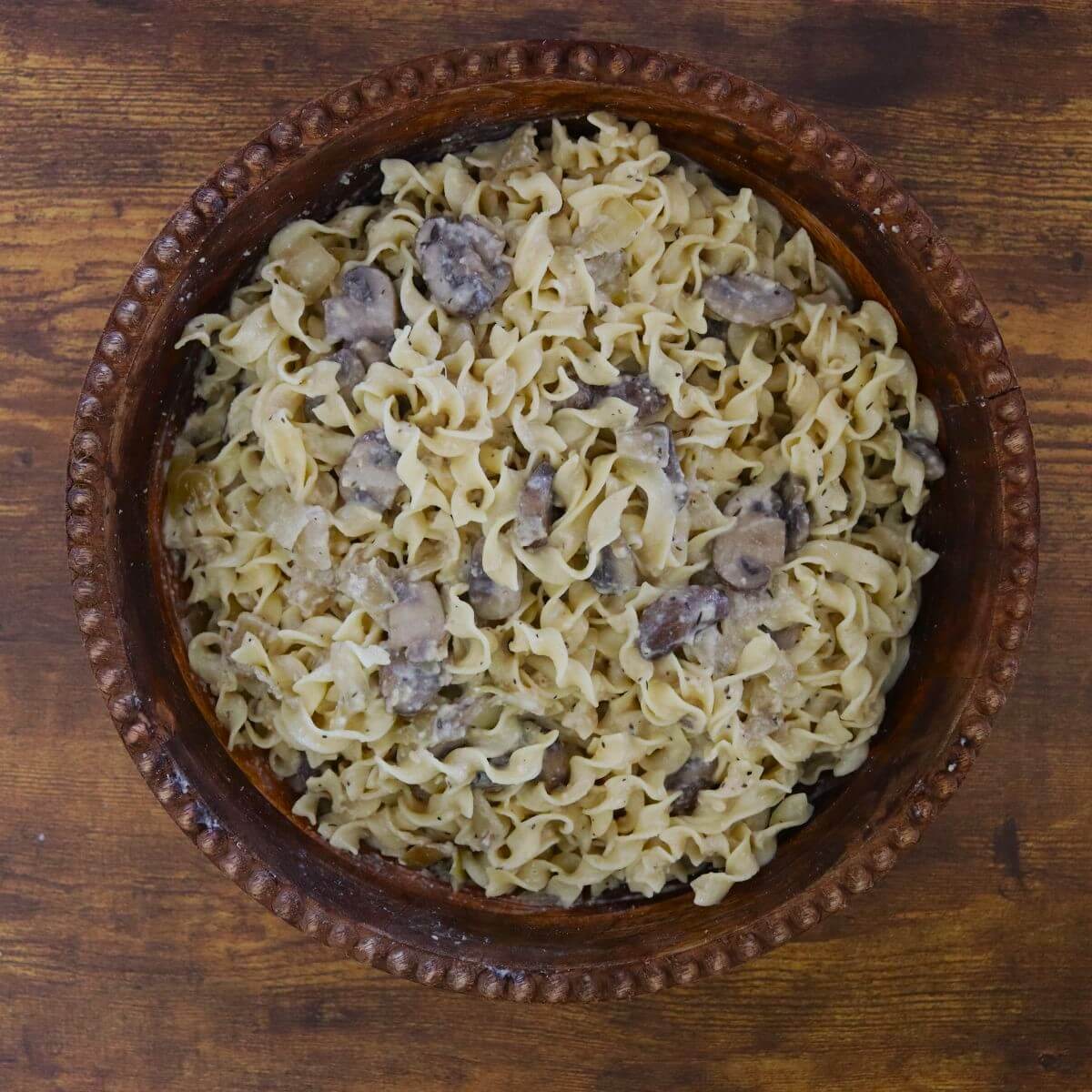
Mushroom Macaroni and Cheese Skillet
Apple and Pork Tenderloin with Maple Dijon Sauce
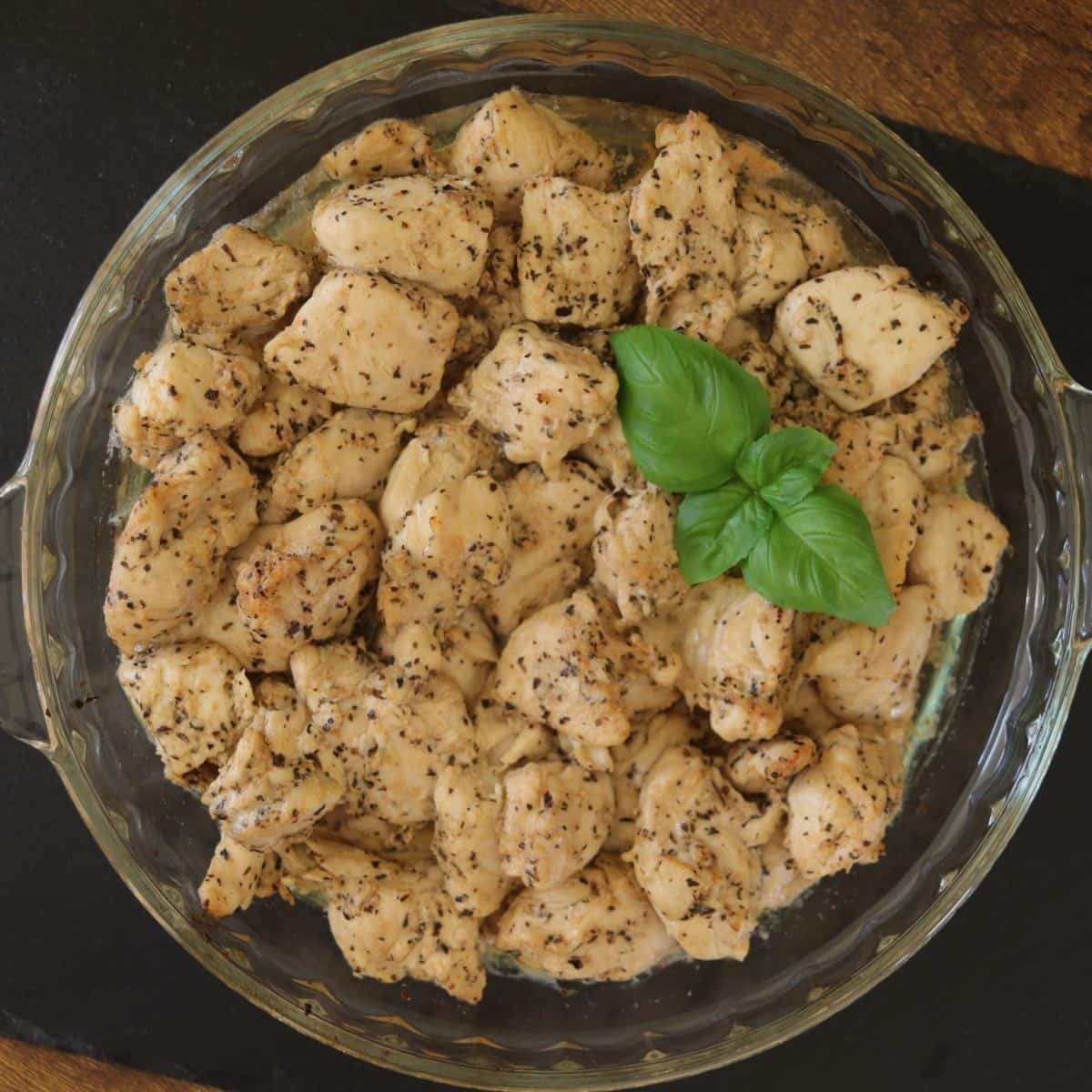
Baked Hawaiian BBQ Chicken Recipe
Roasted Turkey Breast
Ingredients
- 6 pound turkey breast bone-in, skin-on
- 1/2 cup butter room temperature
- 1/2 teaspoon salt
- 1/4 teaspoon coarse ground black pepper
- 3 large garlic cloves pressed
- 1 1/2 teaspoons minced fresh thyme
- 1 1/2 teaspoons minced fresh rosemary
- 1/2 teaspoon minced fresh sage
Instructions
- Combine the softened butter, salt, pepper, garlic, fresh thyme, rosemary, and sage in a small bowl.
- Pat the turkey breast dry with a clean kitchen towel.
- Gently loosen the skin without tearing it. Spread half the herb butter beneath the skin and rub the remaining butter over the outside.
- Place the turkey breast in a baking dish and roast in the center of a preheated 325°F (163°C) oven for approximately 15 minutes per pound, basting every 20 minutes.
- Check the internal temperature in the thickest part of the breast without touching the bone. Remove from the oven at 165°F (74°C), or just below if it will reach 165°F while resting. Rest for 15 minutes before carving.
Notes
-
Cooking times vary depending on the size and shape of the turkey breast. Plan on at least 15 minutes per pound.
-
If the skin becomes too dark before the turkey is fully cooked, loosely cover it with aluminum foil.
-
Remove the breast meat from the bone and slice it against the grain for the most tender results.
-
Refrigerate leftover turkey in an airtight container for up to 3–4 days.
-
Freeze cooked turkey in an airtight, freezer-safe container for up to 3 months for best quality.
Nutrition
Nutrition information is automatically calculated, so should only be used as an approximation.