Homemade Pumpkin Puree

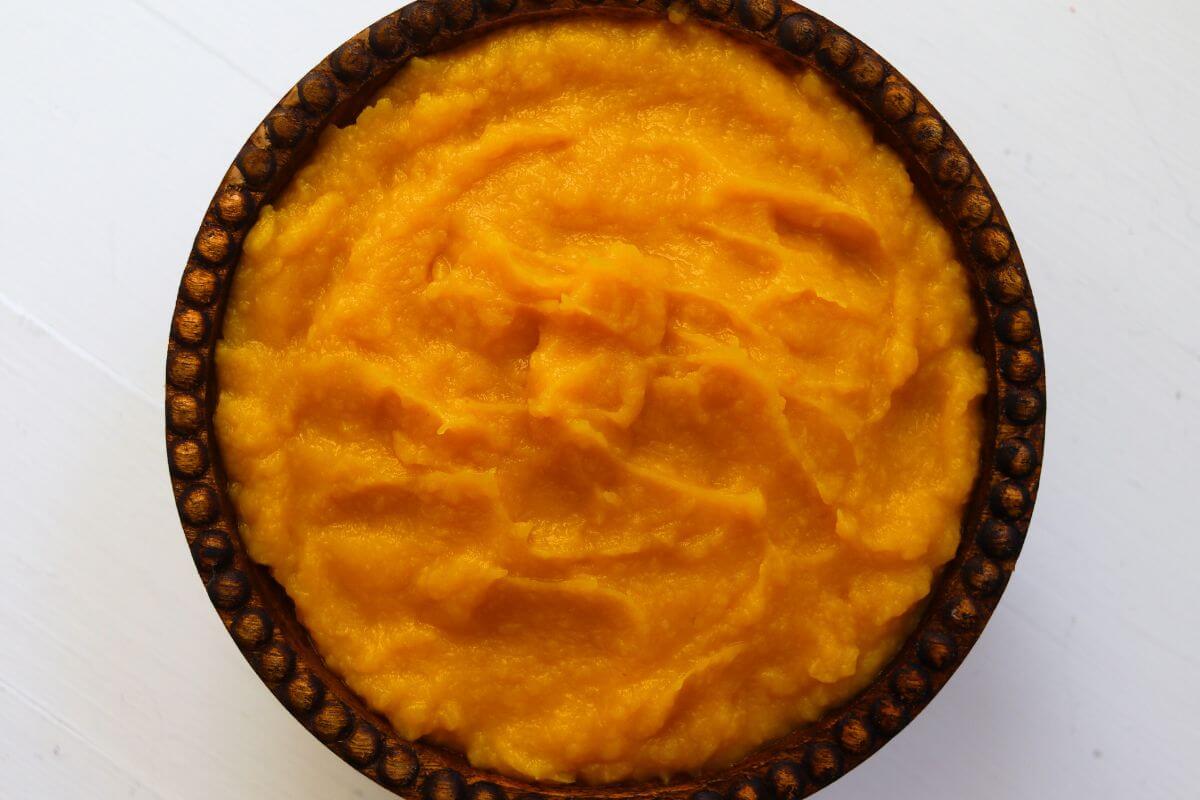
Make homemade pumpkin puree from fresh pumpkins to use in all of your favorite pumpkin recipes this fall. This complete guide covers everything you need to know to make this versatile ingredient from scratch, including choosing the right pumpkin, cooking and pureeing it, and freezing it to have on hand all winter long.
Pumpkin puree in the freezer is a good thing
The first time I made pumpkin puree from scratch was after one of our annual trips to the pumpkin patch when my son was a small child. On that trip, I decided to pick up some pie pumpkins and turn them into fresh puree. I loved using it in my fall recipes so much that stocking the freezer with fresh pumpkin puree became its own yearly tradition. And that tradition is still going strong 30 years later.
There’s simply no comparison between fresh and canned pumpkin puree. Freshly made puree has noticeably more pumpkin flavor and a much nicer texture. It’s great for both sweet and savory dishes. And I’m certain that once you experience using it in your own kitchen, you won’t want to go back to store-bought cans of puree. I know I never have.
Making your own pumpkin puree is much easier than you might expect. The whole process is ridiculously simple from start to finish and takes very little hands-on time.
If you like making kitchen basics from scratch, be sure to try my butter made from fresh cream, easy homemade oat milk, and slow simmered beef broth too.
Choosing pumpkins to make puree
The type of pumpkin you choose makes a noticeable difference in both the flavor and texture of homemade pumpkin puree. For the best results, look for small pumpkins sold as pie pumpkins, sugar pumpkins, or baking pumpkins. These varieties are grown for eating rather than decorating, and they generally have sweeter, more flavorful flesh with a smoother, less watery texture.
Look for pumpkins that feel heavy for their size and have firm skin without soft spots, cracks, or signs of mold. If the stem is still present it should be firmly attached. A few superficial scratches or blemishes on the skin are fine and won’t have any affect the puree.
You can technically make pumpkin puree from a carving pumpkin, but it won’t produce the same results. Large carving pumpkins are bred primarily for their size and shape, and their flesh tends to be thinner, stringier, and more watery with less concentrated flavor.
As a general guide, plan to get about 1 cup of pumpkin puree for each pound of whole pie pumpkin, although the exact yield will vary slightly from one pumpkin to another.
How to make pumpkin puree
Step 1: Preheat the oven to 400°F (204°C) and line a rimmed baking sheet with a silicone baking mat.
Step 2: Rinse the outside of the pumpkin and dry it well. Set it on a stable cutting board and use a large, sharp chef’s knife to cut down one side of the stem and continue through the pumpkin to the bottom. Repeat on the other side of the stem. Pull the pumpkin apart from the bottom upward; the stem will release as the halves separate. Scoop out the seeds and stringy pulp with a sturdy spoon, scraping the cavity clean.
Step 3: Place the pumpkin halves cut-side down on the prepared baking sheet. Roasting the pumpkin concentrates its natural flavor, while placing it cut-side down helps hold moisture around the flesh as it cooks so it softens evenly without the exposed surface drying out.
Would you like to save this post for later?
Step 4: Bake for about 40 to 60 minutes, depending on the size and thickness of the pumpkin. The pumpkin is done when the skin can be easily pierced with a fork and the flesh underneath is completely soft. Test the thickest part, and continue roasting if you feel any resistance.
Step 5: Remove the pumpkin from the oven and turn the halves cut-side up to help them cool more quickly. Once they are cool enough to handle, scoop the soft flesh away from the skin with a large spoon. Discard the skin.
Step 6: For a smooth pumpkin puree, place the cooked pumpkin in a deep bowl and puree it with an immersion blender, or process it until smooth in a food processor. Stop and scrape down the sides as needed to make sure all of the pumpkin is evenly pureed. If you prefer a chunkier texture, mash the pumpkin thoroughly with a handheld potato masher.
Step 7: Allow the pumpkin to cool completely and then transfer it to an airtight container and refrigerate it promptly. Use refrigerated homemade pumpkin puree within 3 to 4 days. For longer storage, freeze it using the method in the next section.
Freezing pumpkin puree
Freezing is the best way to preserve pumpkin for later use. Portioning it before it goes into the freezer makes it easy to take out exactly what you need for a recipe without creating waste by thawing more than necessary.
Measure fully cooled puree into portions based on the amounts you use most often. Two-cup portions are commonly used for pies, and one-cup portions are particularly useful for many other recipes. But if you already know what you’ll be making with the puree, you may want to portion it in the exact amounts called for in those recipes.
Transfer the measured puree to freezer-safe containers or freezer bags, leaving a little room for expansion in rigid containers. If using freezer bags, press out excess air, seal them well, and freeze them flat. Do not stack the bags until they are fully frozen to prevent them from freezing together. Once frozen, they can be stacked or stored upright to save freezer space.
Label each container or bag with the amount and the date it was frozen. For the best flavor and texture, use frozen pumpkin puree within 3 to 4 months.
Thawing puree
The best way to thaw frozen pumpkin puree is in the refrigerator. Place the container or freezer bag in the refrigerator and allow it to thaw overnight. Larger portions may take a little longer to thaw completely.
It is normal for some liquid to separate from the puree as it freezes and thaws. Stir the puree thoroughly to reincorporate the liquid and restore an even consistency before measuring it for your recipe.
Once thawed, use the puree within 3 to 4 days and keep it refrigerated until you are ready to use it.
If you need the puree sooner, place the sealed freezer bag or container in a bowl of cold water, changing the water every 30 minutes until the puree has thawed. Use puree thawed this way promptly rather than returning it to the refrigerator for extended storage.
Top tips
- Save the pumpkin seeds: Separate the seeds from the stringy pulp instead of throwing them away. Clean and roast them with oil and salt for a crunchy snack or topping.
- Work in batches when necessary: If you’re making a large amount of puree, process the cooked pumpkin in batches rather than overfilling your food processor. This helps produce a more evenly blended puree.
- Adjust an especially wet puree: Fresh pumpkins naturally vary in moisture content. If your puree is noticeably watery, let it drain in a fine-mesh strainer set over a bowl until it reaches a thicker consistency before using it in baking recipes.
- Keep it plain: Don’t add sugar, spices, salt, or other seasonings to the puree. Leaving it unseasoned makes it suitable for both sweet and savory recipes.
- Expect natural variation: The color, flavor, and consistency of fresh puree can vary slightly depending on the pumpkin variety and the individual pumpkin. This is completely normal and one of the differences you can expect when working with fresh pumpkin.
Ways to use pumpkin puree
Once you have fresh pumpkin puree on hand, there are plenty of ways to use it beyond traditional pumpkin pie. It works beautifully in fall baking, but it can also bring pumpkin flavor to breads, breakfast dishes, drinks, and savory meals.
For something a little different from pie, use your puree to make a homemade pumpkin galette, or bake a batch of rustic pumpkin cranberry scones or pumpkin streusel muffins. It also makes a great addition to homemade breads. Try rustic pumpkin cornbread alongside a fall dinner, make pumpkin spice bagels from scratch for breakfast, or bake a batch of pumpkin yeast rolls for the dinner table.
There are plenty of other ways to bring pumpkin to breakfast too. A stack of easy pumpkin spice pancakes puts the puree to good use on a cool fall morning, and a homemade pumpkin smoothie is another easy way to enjoy it at the start of the day. When you’re in the mood for a sweet fall treat instead, blend up an easy pumpkin pie milkshake.
Pumpkin puree works just as well in savory recipes. Turn it into a creamy pumpkin pasta sauce, use it in a cheesy pumpkin pasta bake, or bake a batch of pumpkin crackers made from scratch for a savory snack. You can also stir puree into soups, risotto, chili, curry, oatmeal, or macaroni and cheese, making it easy to use up whatever amount you have left after making another recipe.
Other posts you’ll love
If you loved this guide for pumpkin puree, check out these other great kitchen basics posts too!