How To Freeze Onions (Step-by-Step)

Learning how to freeze onions is one of the easiest ways to save time, reduce food waste, and always have onions on hand, ready for cooking. With just a few minutes of prep, you can stock your freezer with onions that are ready to add to soups, stews, sauces, casseroles, and countless other recipes.
And if you’re stocking your freezer with more than just onions, I’ve got easy guides for that too. You can learn how to freeze green onions, how to freeze acorn squash, how to freeze grapefruit, how to freeze lemon juice, and how to freeze poblano peppers so nothing from your market haul goes to waste.
I first learned how to freeze onions when I had a large garden while living in northern Maine. I planted far more onions than I could possibly use fresh, so I started freezing the extras instead of letting them go to waste. I’ve been doing it ever since.
These days I don’t have the space for a garden, but I still buy a few bulk baskets of onions from local farm markets each year and put them up for the colder months. Having onions ready in the freezer makes cooking from scratch faster, easier, and much more convenient.
Varieties of onions to freeze
Nearly every common cooking onion freezes well, so you can preserve whichever variety you use most often.
- Yellow onions are the best all-purpose choice. Their balanced flavor works well in soups, stews, casseroles, sauces, and everyday recipes.
- White onions have a slightly sharper flavor and are a great choice for Mexican-inspired dishes, stir-fries, and sautés.
- Red onions freeze well but lose the crisp texture that makes them popular in salads, making them better suited for cooked dishes.
- Green onions (scallions) can also be frozen. While they won’t stay crisp, they retain their flavor and work well in cooked recipes.
Preparing onions for freezing
Before onions go into the freezer, they need a little preparation. Properly cleaning and cutting them helps ensure they’re ready to package and freeze.
- Remove the papery skin and trim away the root and stem ends.
- Cut the onions into the size you most often use, whether chopped, diced, sliced, or minced.
- If you only need part of an onion, prepare the entire onion and freeze the remainder instead of storing half in the refrigerator.
Choosing the cut that matches your favorite recipes means you can portion out exactly what you need from the freezer, without any additional prep.
Is it necessary to blanch before freezing?
No. Chopped, diced, sliced, and minced onions can go straight into the freezer without blanching.
Blanching is only recommended for whole onions that will be used in cooked dishes later. Since most home cooks freeze cut onions, this extra step isn’t necessary.
How to freeze onions
- Peel and cut the onions into your preferred size.
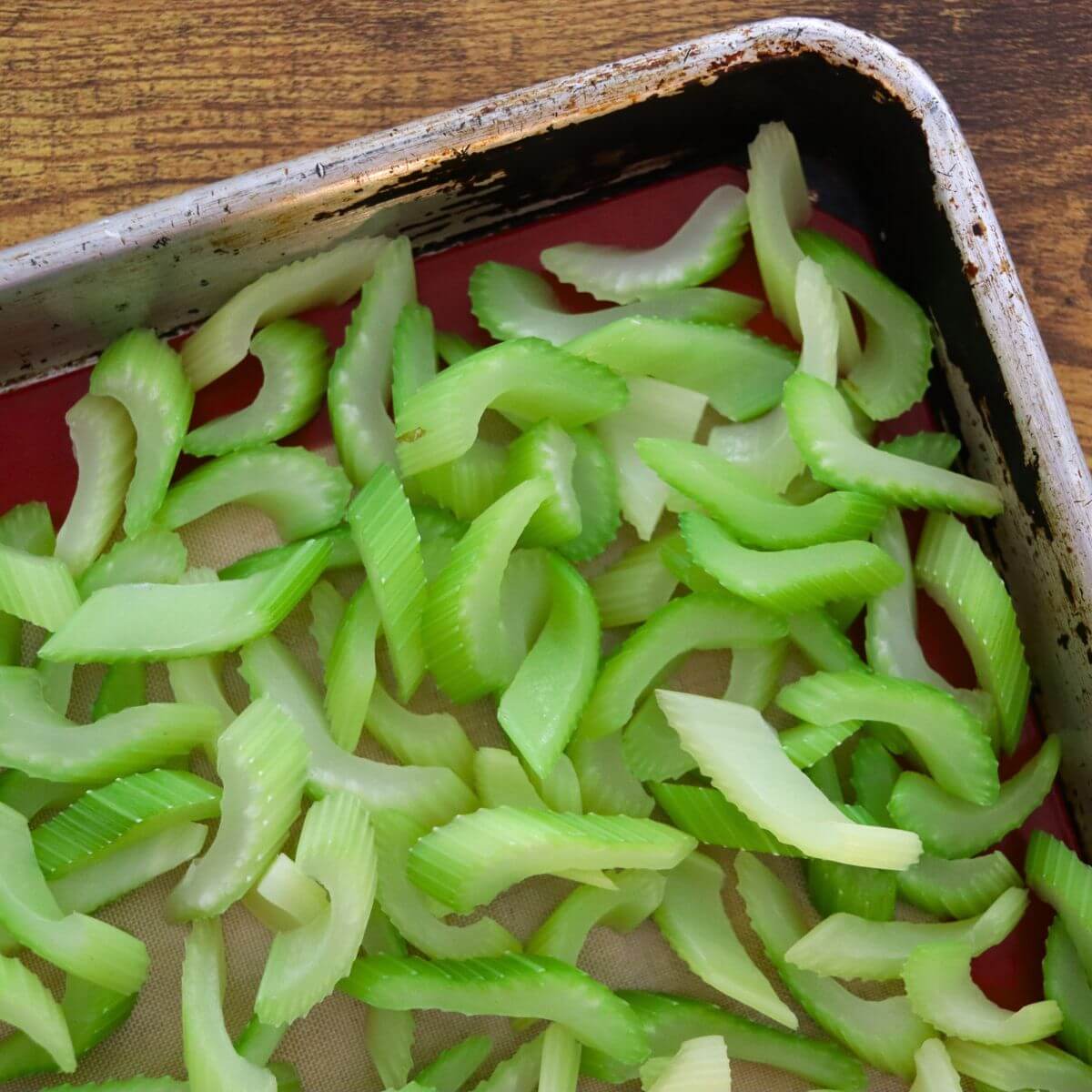
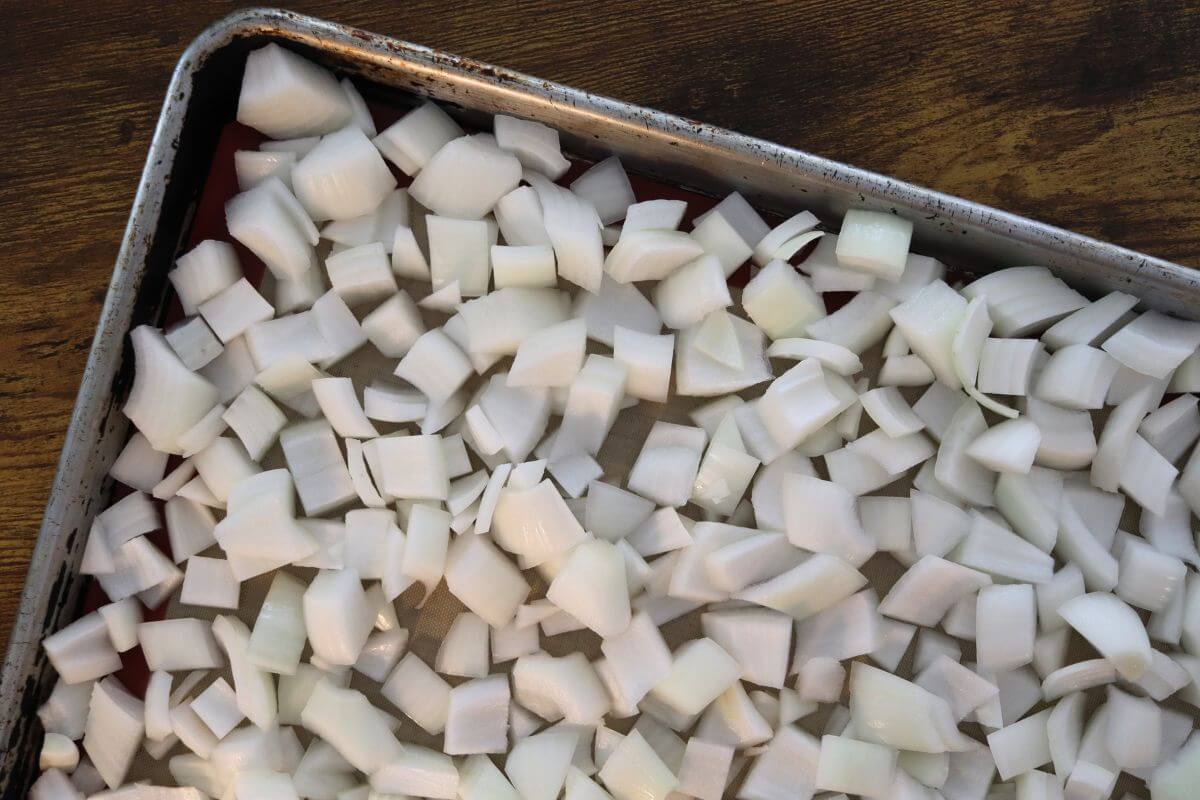
- Spread them in a single layer on a silicone-lined baking sheet or tray.
- Freeze until firm, about 1 to 2 hours.
- Transfer the frozen pieces to freezer bags or airtight freezer-safe containers.
- Remove as much air as possible before sealing. If using freezer bags, flatten them to save space and make stacking easier.
- Label each package with the date before returning it to the freezer.
Freezing the pieces individually first keeps them from freezing into one solid block, making it easy to remove only the amount you need.
Would you like to save this post for later?
Storage life
For the best flavor and quality, use frozen onions within 3 to 6 months.
While they often remain safe beyond that time when kept continuously frozen, their texture and flavor gradually decline. Keep as much air out of the package as possible each time you remove onions to help prevent freezer burn.
Thawing frozen onions
Most recipes don’t require thawing first. Simply add the frozen onions directly to your skillet, saucepan, slow cooker, or other cooking vessel.
If you prefer to thaw them before cooking, place the onions in the refrigerator overnight. Never thaw onions at room temperature.
Cooking with thawed onions
Because freezing changes their texture, thawed onions become soft instead of crisp. For that reason, they aren’t a good choice for fresh salads, sandwiches, relishes, or other raw preparations. They also don’t caramelize well because the moisture released during thawing prevents the deep browning needed for rich caramelized flavor.
Frozen onions are best reserved for cooked recipes. Add them to soups like homemade Ukrainian mushroom soup, hearty stews such as pork chop stew made from scratch, and comforting favorites like classic old fashioned chili. They’re also perfect for breakfast dishes like an easy Denver breakfast skillet and classic diner home fries and eggs, homemade sausage such as apple sausage from scratch, sandwiches including easy loose meat sliders and stroganoff style beef sandwich, vegetable sides like slow simmered green beans and roasted carrots with honey balsamic glaze, as well as casseroles, sauces, braises, stir-fries, traditional bread stuffing for turkey, and from scratch skillet meatloaf.