Apple Pork Sausage Recipe

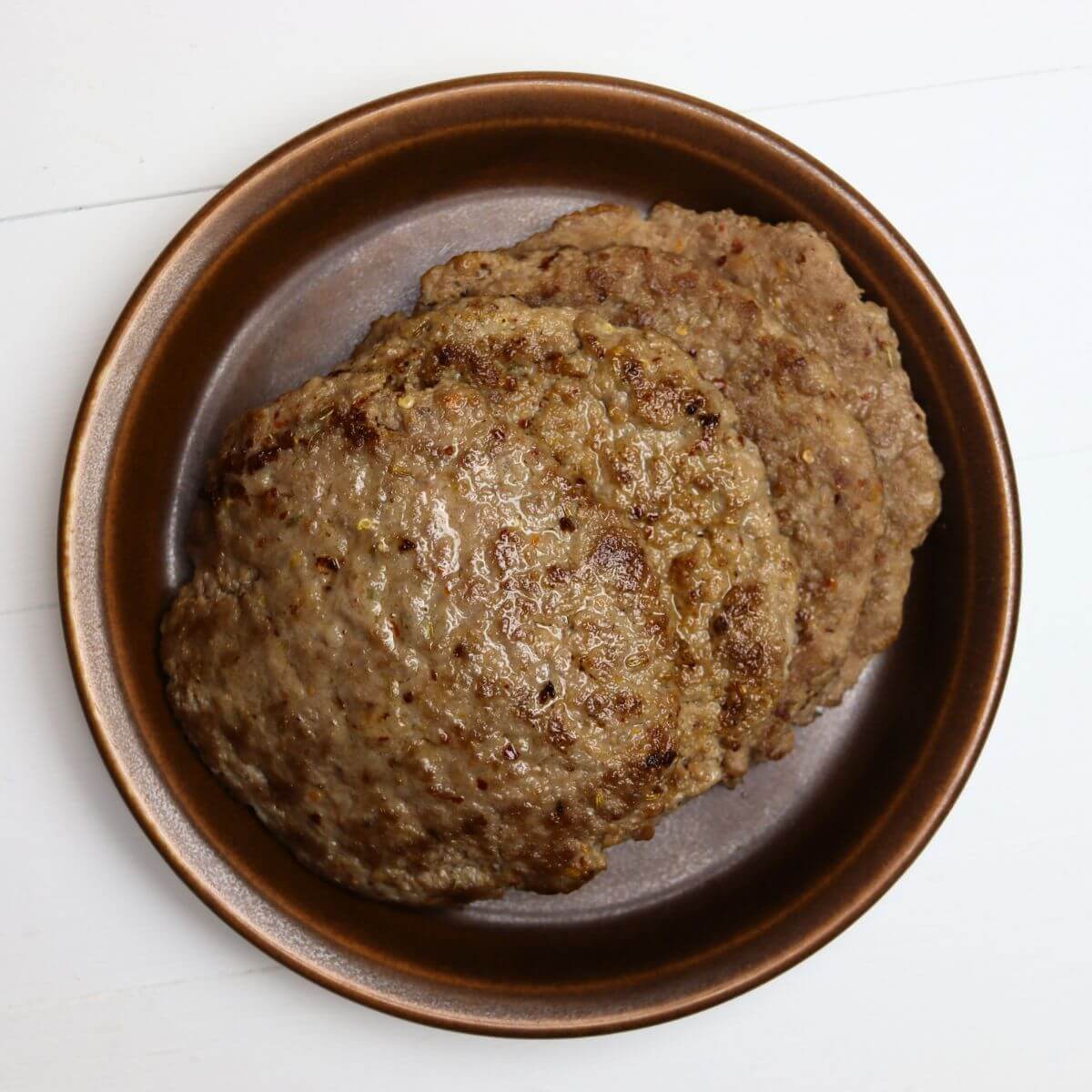
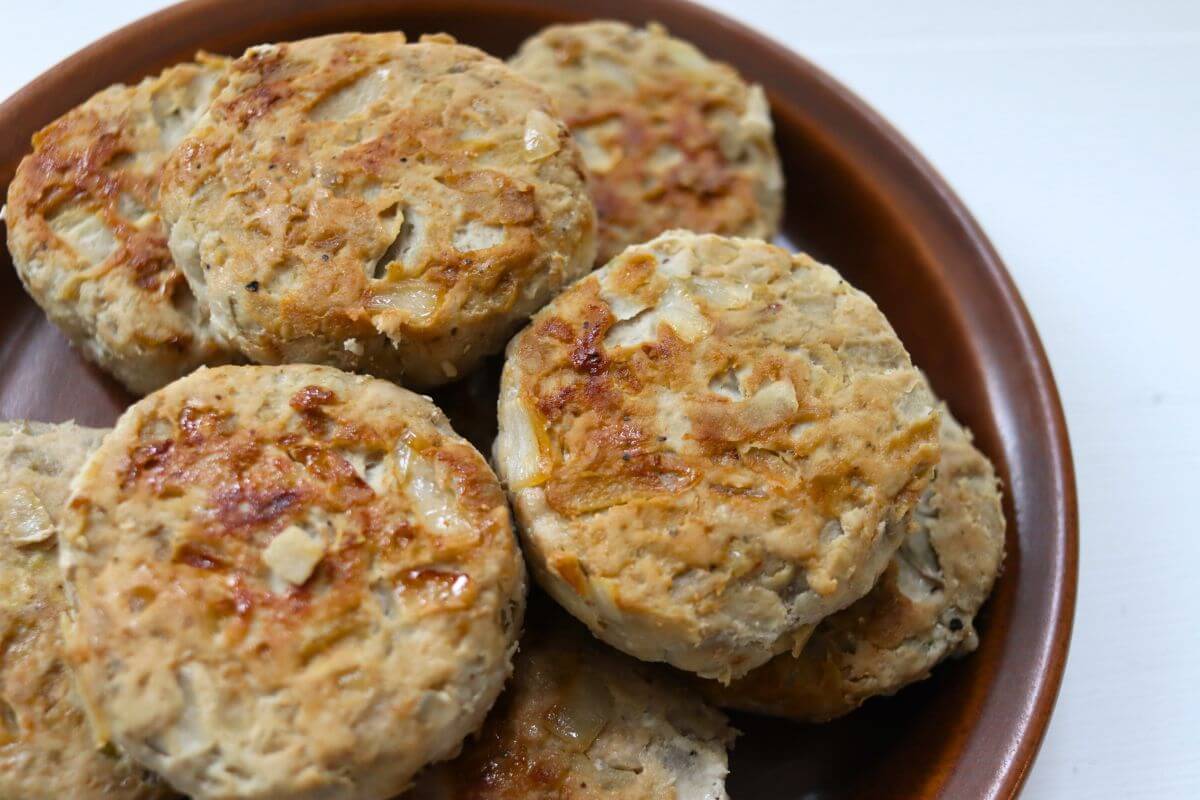
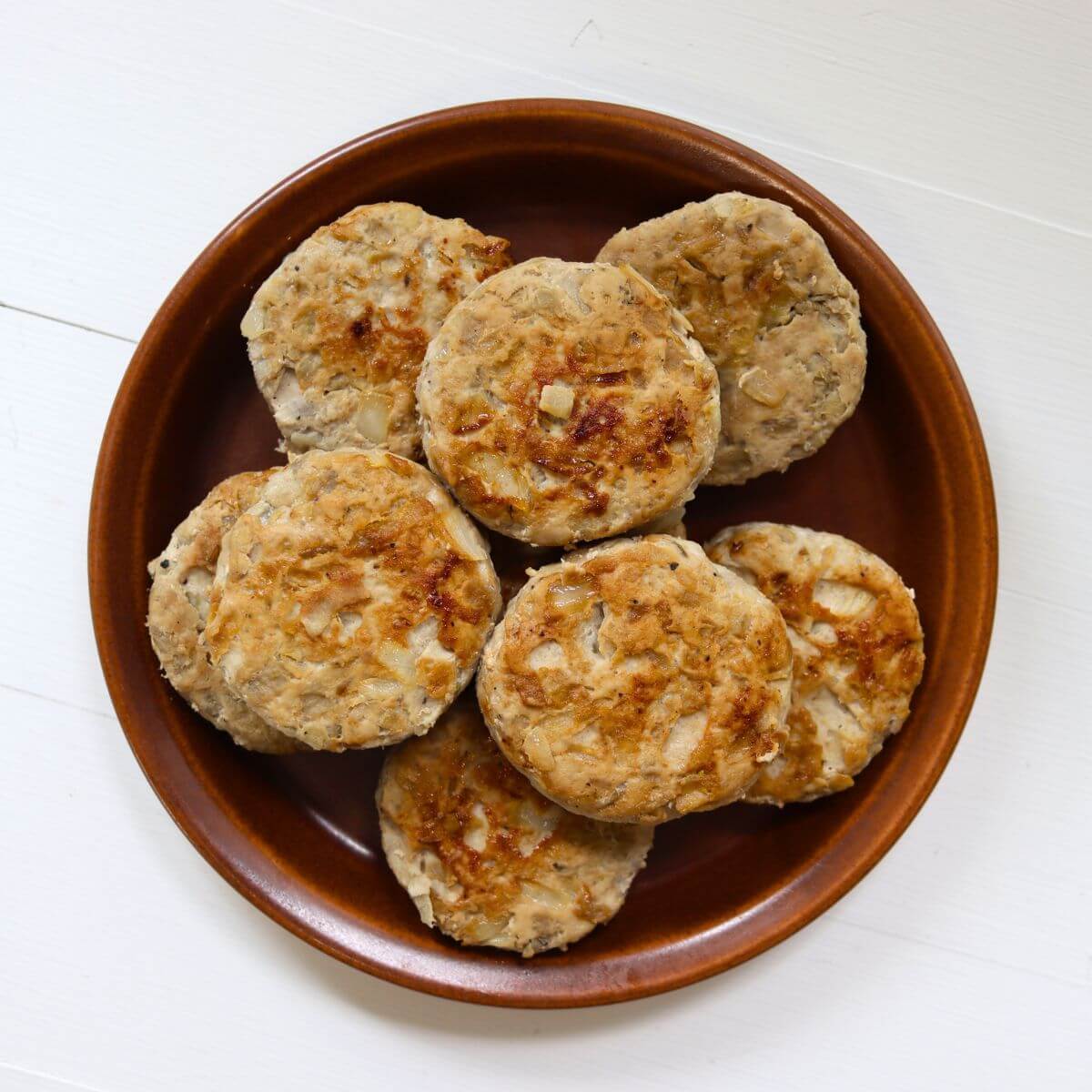
Fresh, savory, and full of homemade flavor, this apple pork sausage recipe combines ground pork with finely chopped apples, onions, and simple seasonings to create tender, flavorful sausage that’s easy to make at home.
Apple and pork make tasty sausage
As fall approaches, I always find myself looking for new ways to use fresh apples in my cooking. This year I decided to head into the kitchen and create a homemade sausage that captures the flavors of the season. This simple apple pork sausage is the result, and it’s become one I’ll be making again every apple season.
You don’t need any specialty equipment to make this recipe. Shape the sausage into patties or links, or simply cook it loose for use in your favorite recipes. The apples add a subtle fresh apple flavor, while the onions provide a savory depth that complements the seasoned pork beautifully.
Once you make a batch yourself, it’s likely to become one of those recipes you come back to again and again. If you enjoy making sausage from scratch, be sure to try my Italian fennel sausage, homemade spicy pork sausage, and sweet Italian sausage patties too. Before long, all of the sausage in your from-scratch kitchen will be fresh, homemade, and made with your own hands.
Recipe ingredients
- Ground Pork: Choose fresh ground pork with a moderate amount of fat for the best flavor and texture. The fat keeps the sausage tender as it cooks and helps the seasonings distribute evenly throughout the meat.
- Granny Smith Apples: I like Granny Smith apples in this sausage because their bright, tart flavor pairs especially well with pork. If you prefer a sweeter sausage, Honeycrisp, Fuji, Gala, or Pink Lady apples all make excellent substitutes.
- Fennel Seeds: Use whole fennel seeds and lightly crush them just before mixing them into the sausage. Crushing the seeds releases their aromatic oils, giving the finished sausage a more pronounced fennel flavor than adding them whole.
See the recipe card for full information on ingredients and quantities.
How to make apple pork sausage
Step 1: Place the ground pork, diced onion, crushed fennel seeds, salt, pressed garlic, and black pepper into the bowl of a stand mixer fitted with the beater attachment. Mix on low speed for 4 minutes. If necessary, scrape down the sides of the bowl so the seasonings are evenly incorporated.
Step 2: Peel, core, and shred the Granny Smith apples using the large holes of a box grater.
Step 3: Transfer the shredded apples to a clean flour sack towel and squeeze firmly to remove as much juice as possible. Discard the juice.
Step 4: Measure 2 cups of the squeezed shredded apples and add them to the pork mixture.
Would you like to save this post for later?
Step 5: Mix on low speed for about 2 minutes, or until the apples are evenly distributed throughout the sausage. Avoid overmixing at this stage so the shredded apples retain their texture.
Step 6: Transfer the sausage mixture to an airtight container and refrigerate for at least 8 hours or overnight. This resting time allows the flavors to develop.
Step 7: Divide the sausage mixture into 10 equal portions and gently shape each portion into a small patty of even thickness.
Step 8: Heat a skillet over low heat and add the patties. Cook gently until they are nearly cooked through, then increase the heat to medium and brown both sides until they develop a golden crust and are cooked through. Serve immediately.
Top tips
- Use a Stand Mixer if Possible: Mixing the sausage in a stand mixer develops the proteins in the pork, creating the springy, cohesive texture that’s so similar to store-bought sausage. If you don’t have one, the mixture can be mixed thoroughly by hand.
- Shred the Apples Just Before Mixing: Peel, core, and shred the apples immediately before adding them to the pork mixture. This keeps them from browning and preserves their fresh flavor.
- Crush the Fennel Seeds Fresh: Crush the fennel seeds just before mixing the sausage rather than buying them pre-ground. Freshly crushed seeds release more aromatic oils and produce a noticeably better flavor.
- Dice the Onion Finely: Cut the onion into small, even pieces so it blends evenly into the sausage. Large pieces can create an uneven texture and make the patties more likely to break apart during cooking.
- Don’t Rush the Browning: Give the patties time to cook gently before increasing the heat. Developing the browned crust at the end creates better flavor while helping keep the interior tender and juicy.
- Cook in Batches: Leave space between the patties in the skillet so moisture can evaporate as they cook. Overcrowding traps steam, reducing browning and preventing the sausage from developing its best flavor.
- Storage: Store cooled cooked sausage patties in an airtight container in the refrigerator for up to 4 days. Reheat gently in a skillet over low heat until warmed through.
- Freezing: Freeze the sausage mixture in bulk, or shape it into patties, before freezing. If freezing patties, freeze them in a single layer until firm before transferring them to an airtight freezer container or freezer bag so they don’t stick together. Thaw overnight in the refrigerator before cooking.
Serve
Serve these homemade apple pork sausage patties for breakfast, lunch, or dinner. For breakfast, pair them with classic diner home fries and eggs, tuck them into an easy sausage egg grilled cheese sandwich, slide them inside a homemade buttermilk biscuit with your favorite cheese, or cook the sausage loose and substitute it for the ham in my Denver omelet breakfast mess.
These patties are just as good beyond breakfast. Shape them a little larger before cooking and serve them on toasted sandwich rolls with your favorite toppings for an easy lunch or dinner. Or keep them smaller and serve them on lightly crusted slider buns from scratch, homemade buttermilk dinner rolls, or old-fashioned yeast dinner rolls for homemade sausage sliders.
Other recipes you’ll love
If you loved this homemade sausage recipe, give these great recipes a try too!
Traditional Irish Breakfast Sausage (Butcher-Style at Home)
Breakfast Sausage Patty Recipe
Homemade Garlic Basil Sausage Recipe
Diner-Style Tuna Melt Sandwich
Turkey Club Melt Sandwich Recipe (Friendly’s SuperMelt Copycat)
Old-Fashioned Egg Salad (Simple & Classic)
Apple Pork Sausage
Ingredients
- 1 pound ground pork
- 1/2 cup diced yellow onion
- 1 1/2 teaspoons coarsely ground fennel seeds
- 1 teaspoon salt
- 2 medium garlic cloves pressed
- 1/2 teaspoon coarse ground black pepper
- 2 medium Granny Smith apples
Instructions
- In the bowl of a stand mixer fitted with the beater attachment, combine the ground pork, onion, crushed fennel seeds, salt, pressed garlic, and black pepper. Mix on low speed for 4 minutes.
- Peel, core, and shred the apples. Place the shredded apples in a flour sack towel and squeeze out as much juice as possible.
- Measure 2 cups of the squeezed shredded apples and add them to the pork mixture. Mix on low speed for 2 minutes, or until the apples are evenly incorporated.
- Transfer the sausage mixture to an airtight container and refrigerate for at least 8 hours or overnight.
- Divide the mixture into 10 equal portions and shape each into a patty.
- Heat a skillet over low heat. Cook the patties until nearly cooked through, then increase the heat to medium and brown both sides until cooked through.
- Serve immediately, or cool and refrigerate or freeze for later use.
Notes
- Crush the fennel seeds just before mixing for the freshest flavor.
- Shred and squeeze the apples immediately before adding them to the sausage mixture to prevent browning and remove excess moisture.
- Refrigerating the sausage mixture overnight improves both the flavor and texture, but an 8-hour chill is sufficient.
- Freeze the sausage mixture in bulk, or shape it into patties before freezing. If freezing patties, freeze them in a single layer until firm before transferring them to a freezer-safe container or freezer bag to prevent sticking.
- Store cooked sausage in an airtight container in the refrigerator for up to 4 days. Reheat gently in a skillet over low heat until warmed through.
Nutrition
Nutrition information is automatically calculated, so should only be used as an approximation.