
Pork Chop Stew Recipe

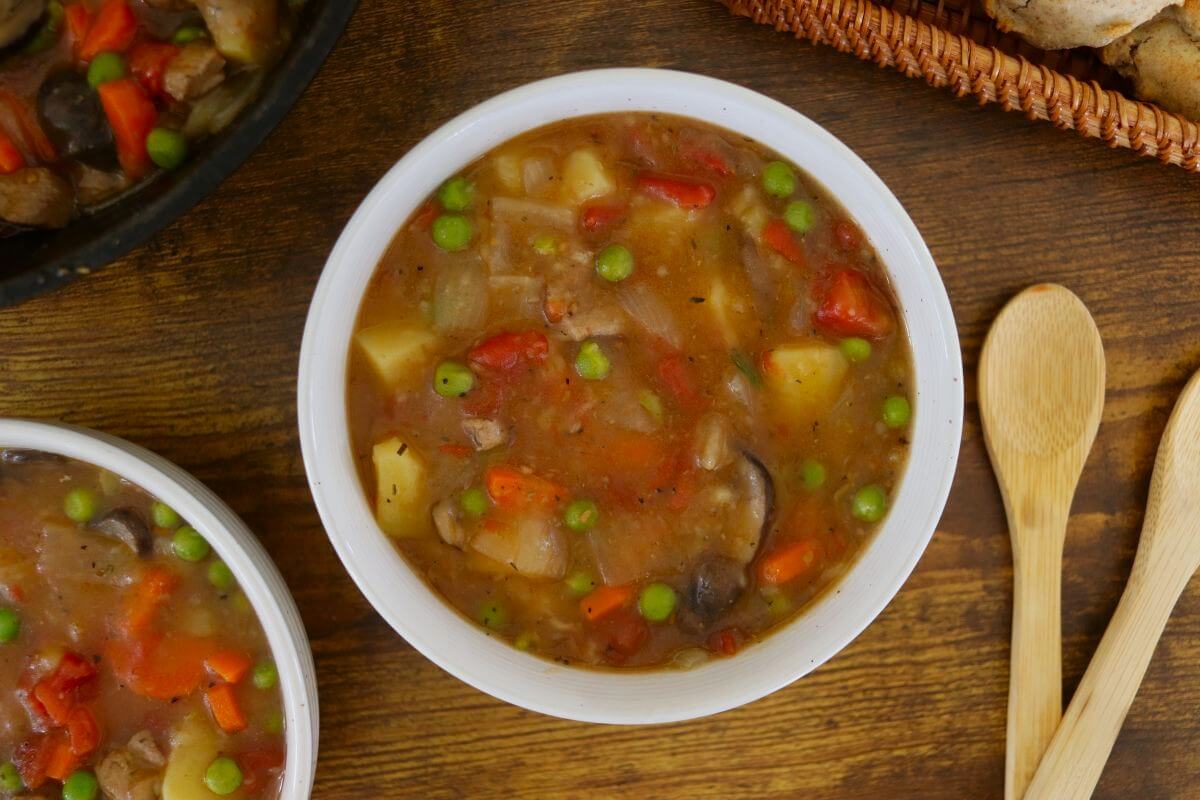
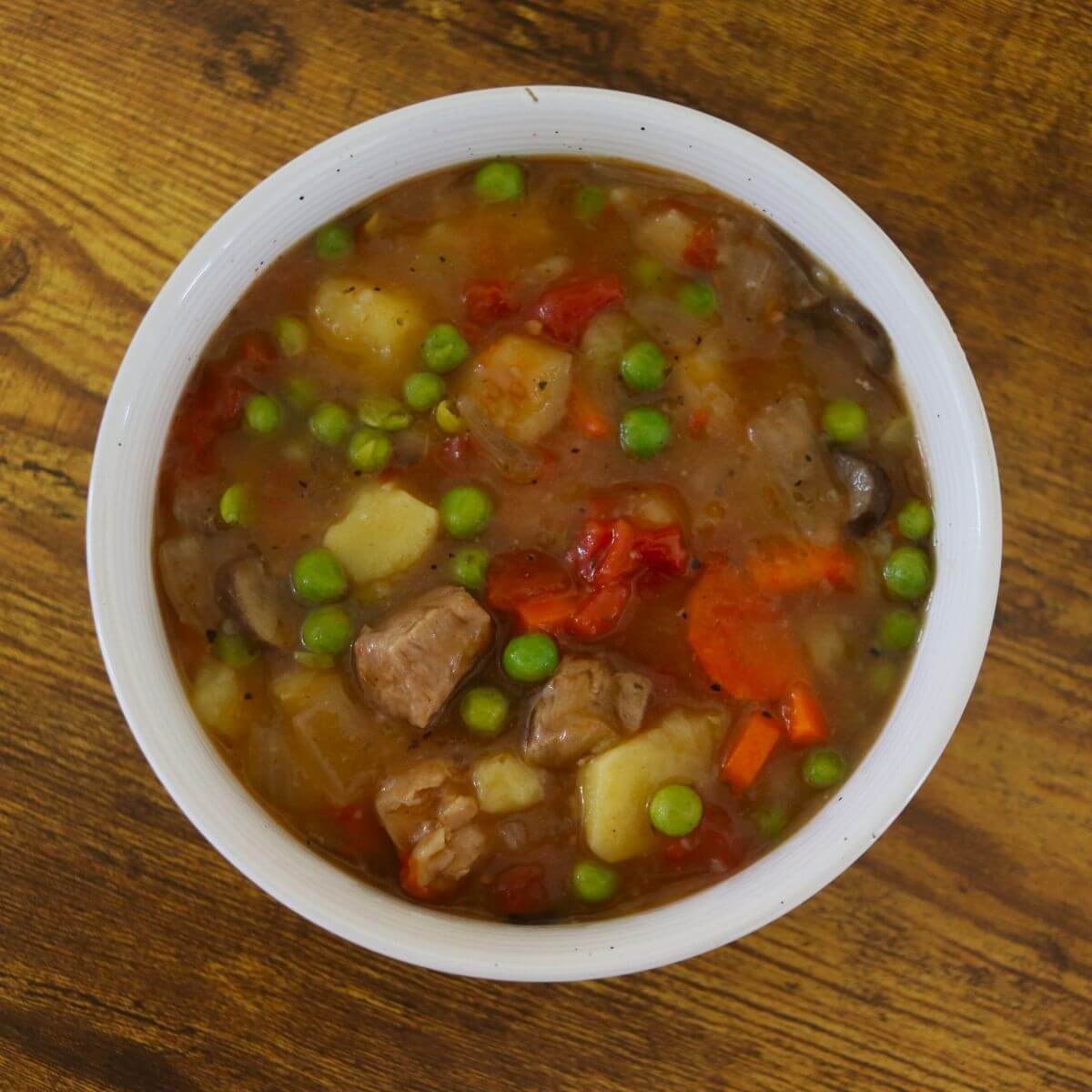
This pork chop stew recipe makes a savory stew that delivers the very same satisfaction as the classic beef version of this dish. It’s hearty without being too heavy and comes together with humble, familiar ingredients everyone loves.
If you enjoy robust, full-bodied soups, you will want to give my a try homemade French celery soup, traditional Polish cabbage soup, and hearty tortellini soup too — each one designed to stand on its own as a meal.
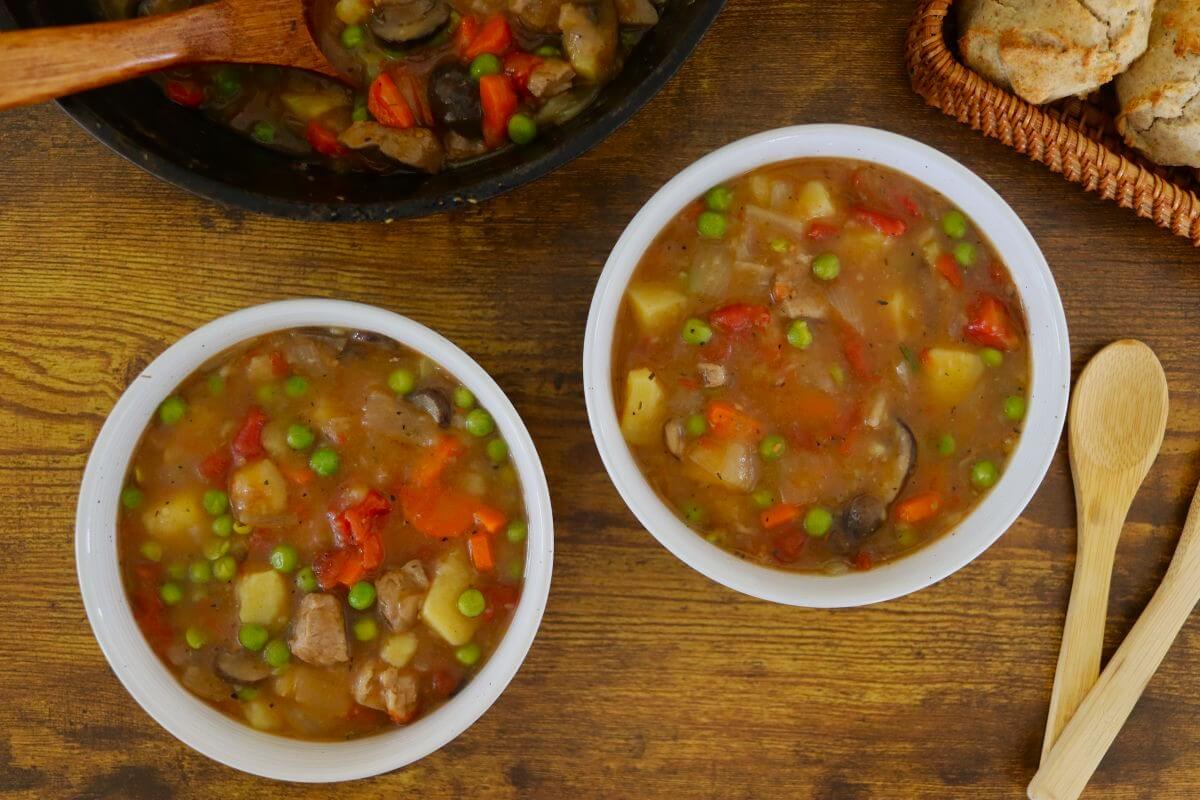
Let’s talk about this recipe
I’ve always been a fan of a steamy pot of stew brewing away on the stove, especially on a cold winter afternoon when the kitchen is often the warmest room in the house. Using pork as the centerpiece of that pot is something I don’t think we do often enough.
Pork shoulder offers a tasty alternative to the proteins more commonly used in soups and stews. When it’s paired with the vegetables typically found in a pot of beef stew, the result is a dish that feels both familiar and unexpected at the same time. Serve it alongside a simple artisan loaf or a no knead rosemary cheese loaf, and you’ve got a meal that’s as satisfying as it is practical.
What makes this recipe so good?
- Pork as the base gives the stew a deep, savory backbone that works naturally with classic vegetables and herbs.
- Thick, stew-style consistency makes this just as satisfying as beef stew, without relying on heavy ingredients or excess fat.
- Balanced vegetables throughout ensure every spoonful includes tender meat and hearty root vegetables — just enough contrast in texture.
- Simple stovetop method allows the flavors to develop naturally without complicated techniques or constant attention.
- Versatile serving options make this stew just as good in a bowl as it is ladled over starches, like biscuits and pasta.
Ingredients you’ll need
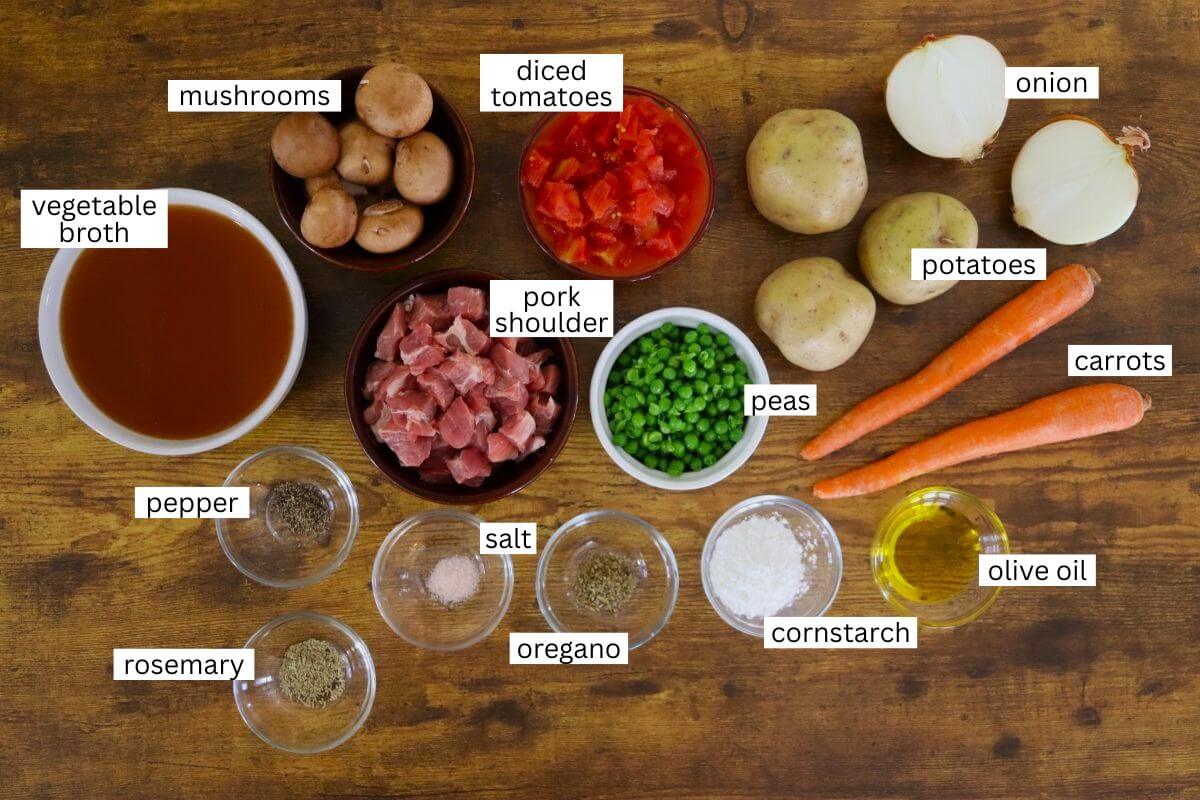
- Pork shoulder: This is the cut I use for stew because it stays tender and doesn’t dry out as it cooks. A roast or thick-cut steaks both work well — just avoid anything trimmed too lean.
- Mushrooms: Baby bellas are a good choice here since they hold their shape and add depth without changing the character of the stew. Slice them a bit thicker so they don’t cook away.
- Frozen peas: These go in at the very end so they keep their color and a little texture too. They’re there to finish the pot, not mush down into it.
See recipe card below for full information on ingredients and quantities.
Make it your own
- Change the vegetables, by swapping parsnips or turnips for part of the potatoes, while keeping the same cooking method.
- Using fresh tomatoes, instead of canned, gives the stew a slightly lighter finish while keeping the overall structure the same.
- Lean into herbs, by increasing rosemary or oregano, slightly if you enjoy a more aromatic stew.
- Add heat gently with a pinch of crushed red pepper flakes for subtle warmth, without overpowering the pork.
- Finish with acidity, using a small splash of vinegar at the end, to brighten the stew without completely altering its character.
Would you like to save this post for later?
How to make pork chop stew
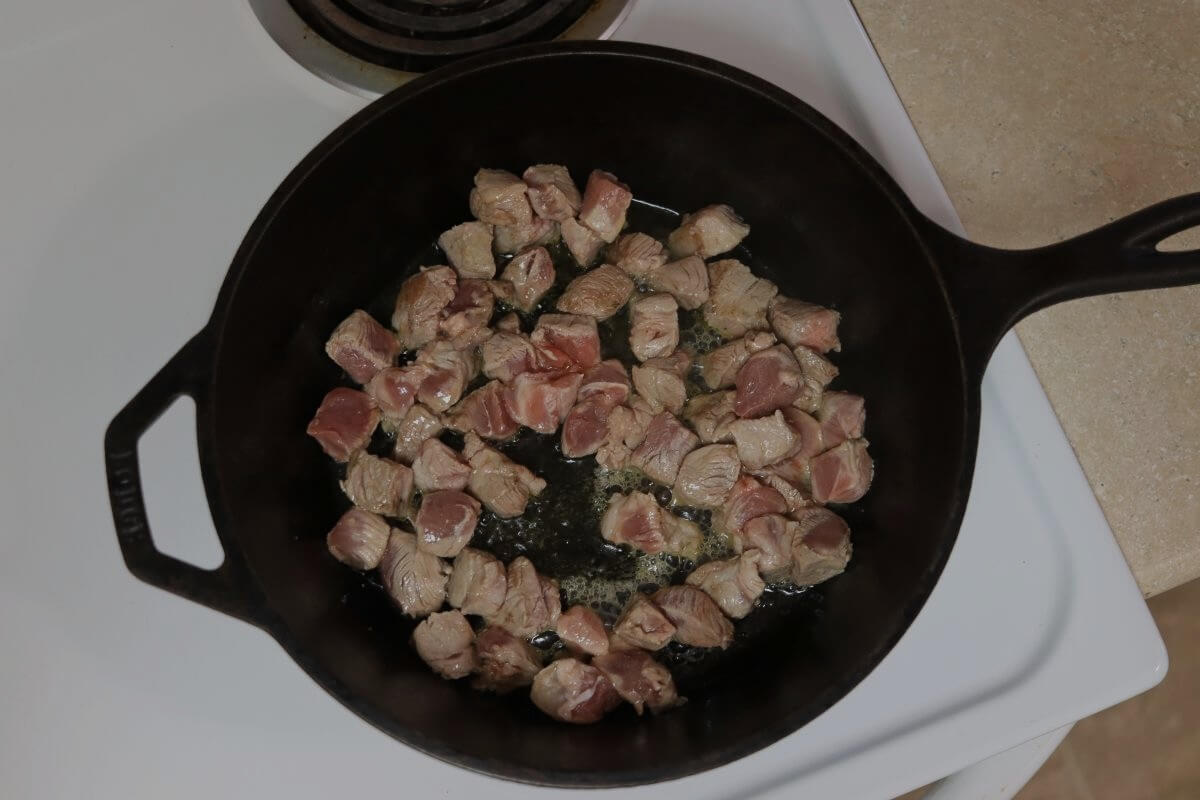
Step 1: Brown the pork in oil, until well-colored on all sides, then remove it from the pot and set aside.
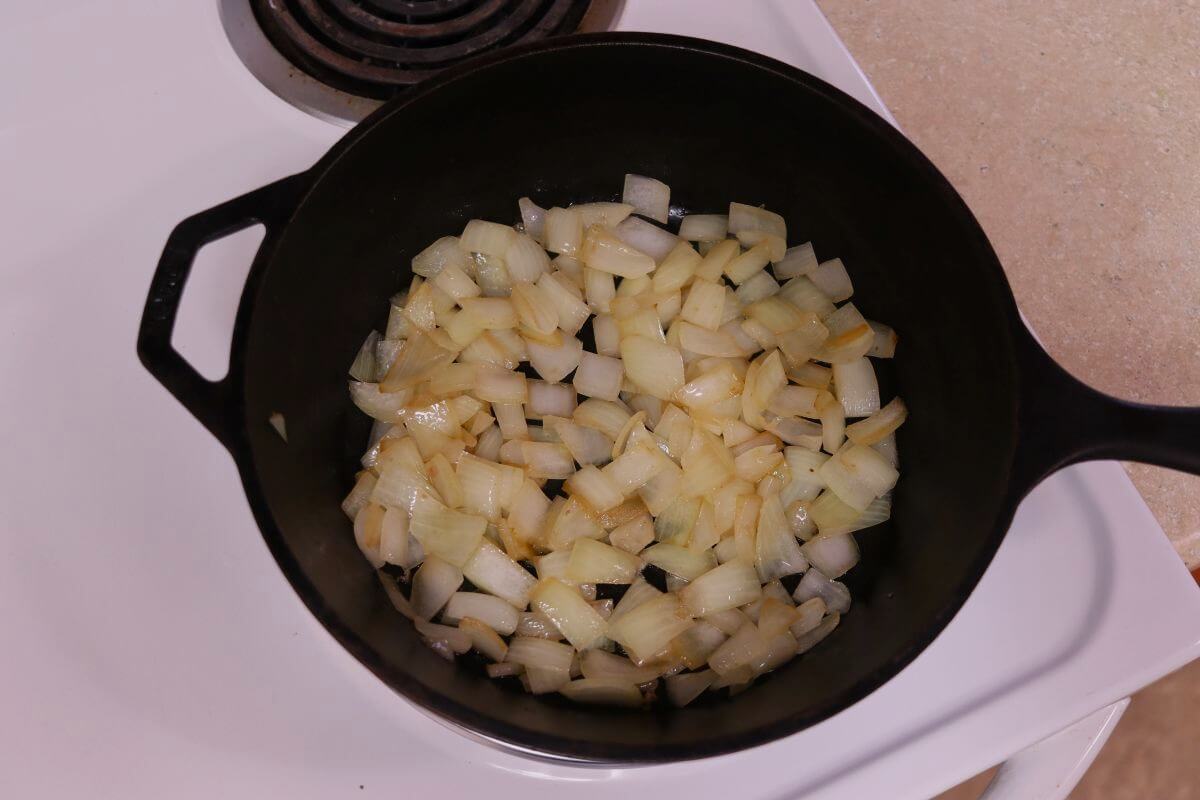
Step 2: Add the onions to the same pot and cook until they begin to soften and release their aroma.
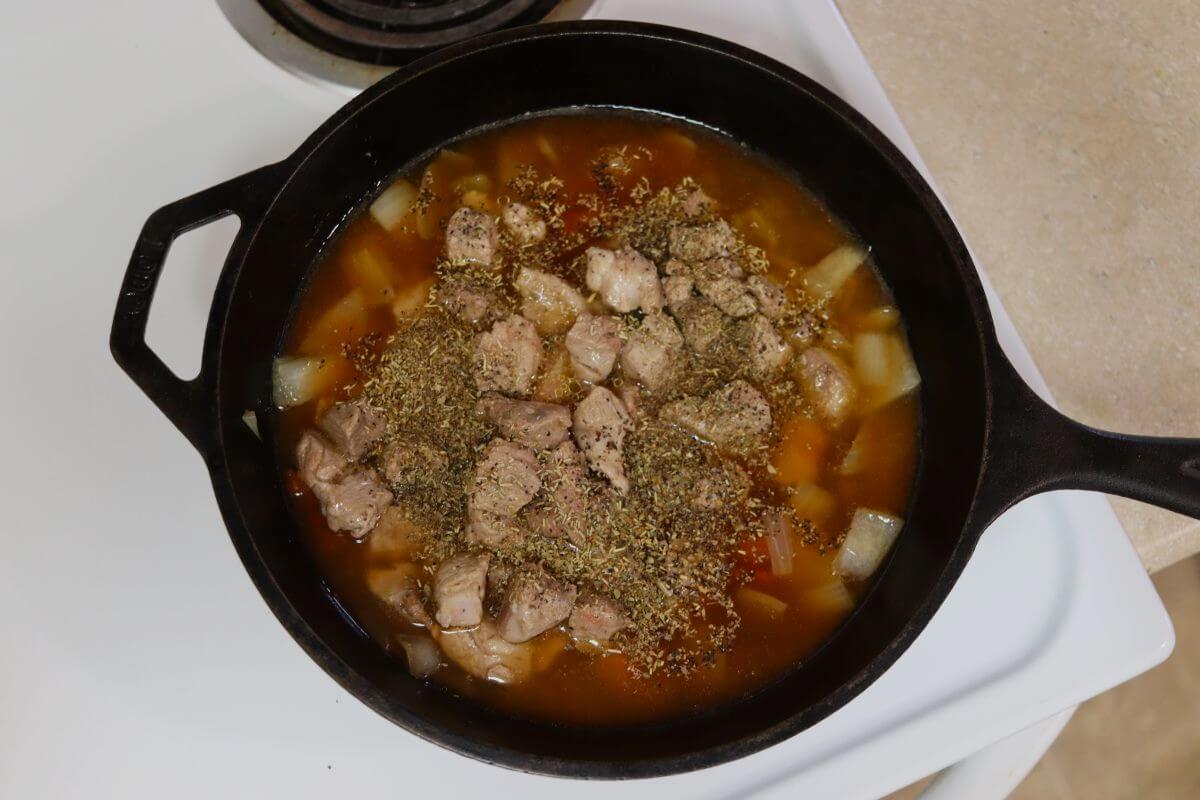
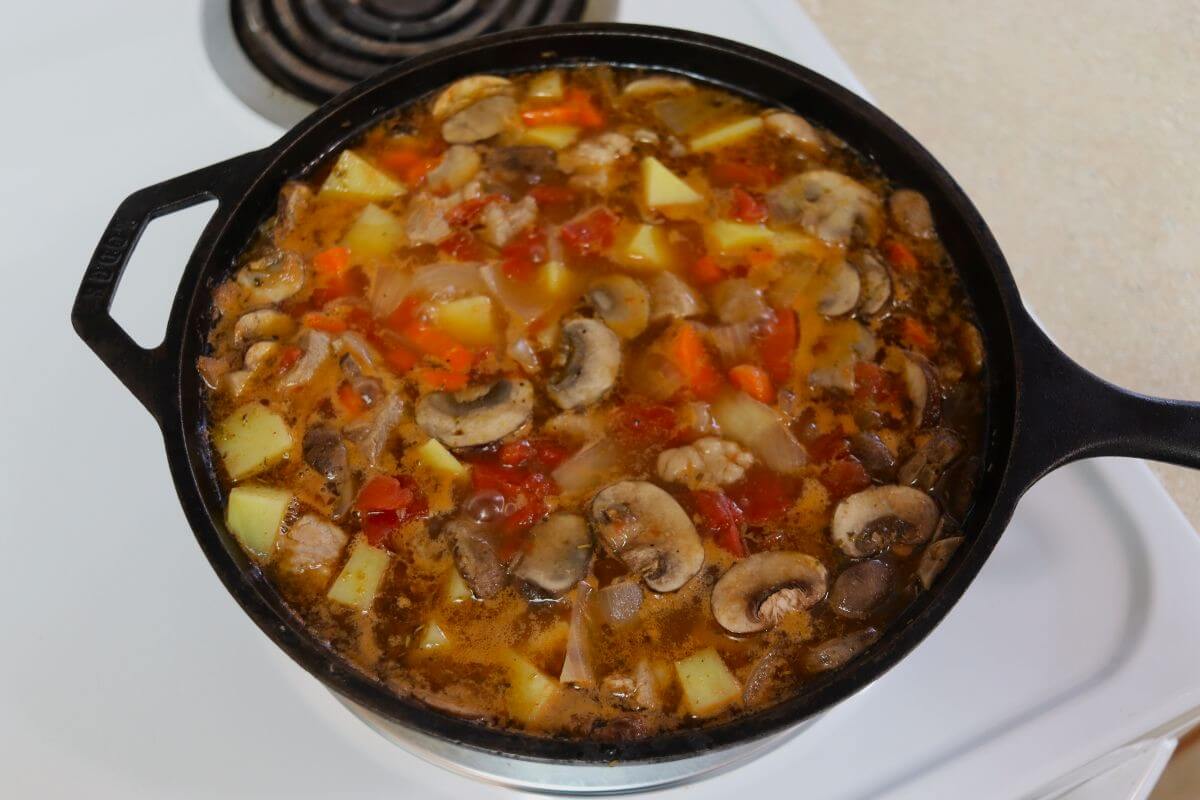
Step 3: Return the pork to the pot, and add the broth (reserving a small amount to make the slurry later), tomatoes, rosemary, oregano, salt, and pepper, then bring to a gentle simmer for five minutes.
Step 4: Add the potatoes, carrots, and mushrooms and continue simmering until the vegetables are tender.
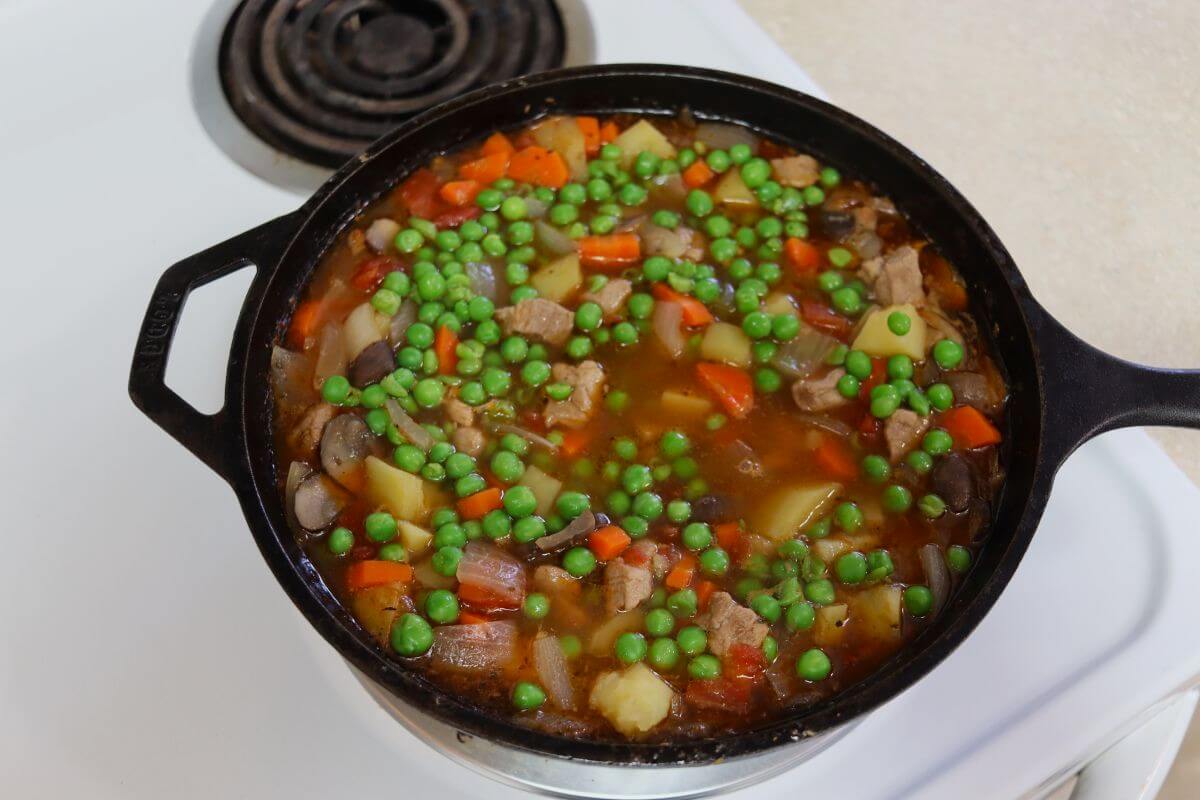

Step 5: Stir in the peas and simmer for three to four minutes until just heated through.
Step 6: Mix the reserved broth with cornstarch to form a slurry.
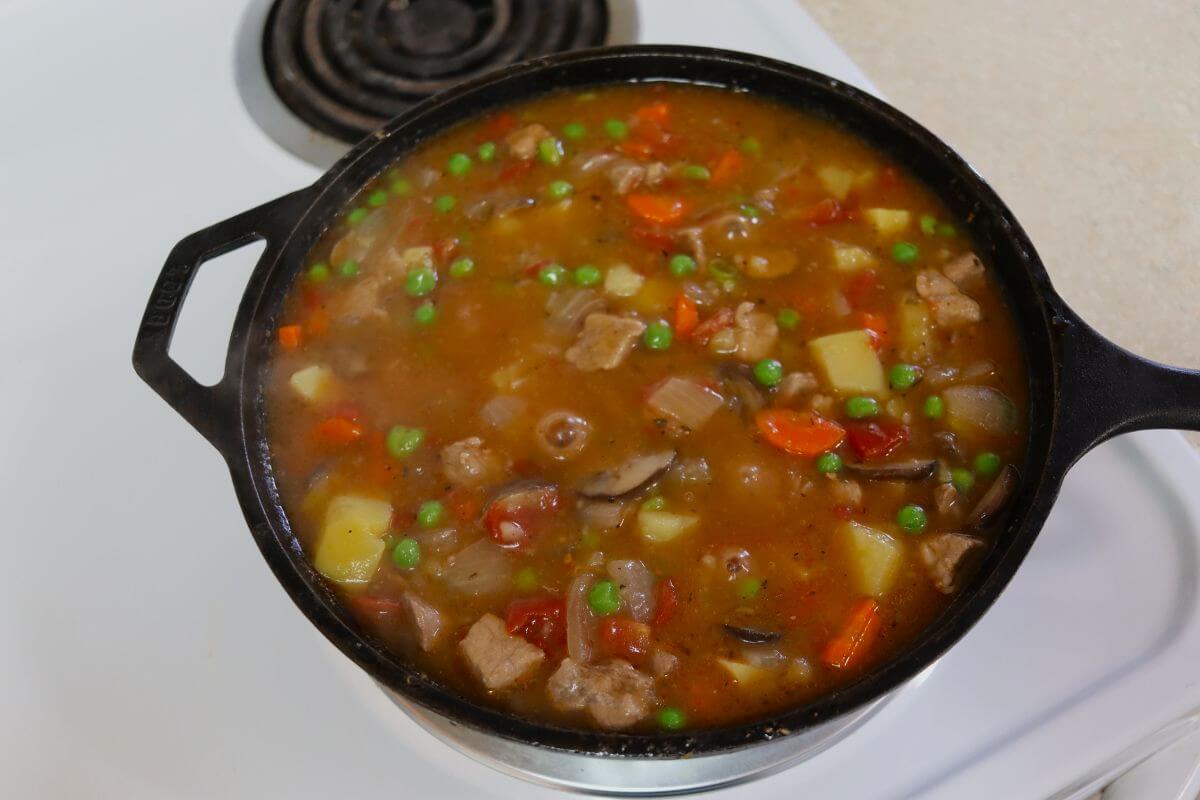
Step 7: Stir the slurry into the pot to thicken the stew.
Recipe FAQs
You can, but pork shoulder carries more flavor and stays tender during longer simmering.
Yes, this is a thick, spoon-coating stew rather than a brothy soup-style version.
Browning builds depth and adds flavor to the base of the stew, so it’s worth the step.
Yes, the flavors continue to develop as it sits, making it a good option for advance cooking.
Adding them last keeps their flavor and texture intact, preventing them from becoming dull or mushy.
Serving ideas
This stew is most often served on its own, by the bowl, offering plenty of vegetables and tender pork in each and every spoonful. If you’d like a little something on the side, hearty butter crackers or mini garlic cracker bites are a natural fit, pairing beautifully with the stew’s savory character.
When you want to change things up a bit and create a plate-style meal, ladle this stew over fresh flaky biscuits or spoon it on top of linguine. Both options soak up the broth beautifully, which is a great way to enjoy every bit of the stew’s savory flavor without leaving anything behind in the bowl.
Diane Gail’s tips for success
- Brown briefly: Give the pork a quick color on the outside to build flavor, then let the pork finish cooking in the broth.
- Simmer gently: Keep the heat low and steady to prevent the pork from tightening while the vegetables soften evenly.
- Save a little broth: Mixing the cornstarch with liquid first prevents lumps and keeps the stew smooth instead of pasty.
- Adjust thickness gradually: Add the slurry slowly, allowing the stew to thicken without becoming gluey.
- Add peas last: Stir them in at the end so they stay bright and lightly textured.
Pork Chop Stew Recipe
Ingredients
- 2 tablespoons olive oil extra virgin
- 1 pound pork shoulder steak cubed
- 1 medium yellow onion chopped
- 4 cups vegetable broth separated
- 15 oz diced tomatoes
- 1/2 teaspoon dried rosemary
- 1/2 teaspoon dried oregano
- 1/4 teaspoon salt
- 1/4 teaspoon ground black pepper
- 3 medium potatoes peeled and chopped
- 2 medium carrots peeled and chopped
- 1 cup sliced baby bella mushrooms
- 1 cup frozen peas
- 4 tablespoons cornstarch
Instructions
- Brown the pork: Add the pork to hot oil and cook just until lightly colored, then remove from the pot and set aside.
- Soften the onions: Add the onions to the pot and cook until they are semi-soft.
- Build the base: Return the pork to the pot, then add the broth (reserving some for the slurry), tomatoes, rosemary, oregano, salt, and pepper; bring to a simmer for 5 minutes.
- Add the vegetables: Stir in the potatoes, carrots, and mushrooms and simmer until the vegetables are tender.
- Finish with peas: Stir in the peas and simmer for 3–4 minutes.
- Thicken the stew: Mix the reserved broth with the cornstarch to form a slurry, then stir it into the pot to thicken the stew.
Notes
- Brown lightly: Add just enough color to the pork to build flavor, then let it finish cooking gently in the stew.
- Slice vegetables evenly: Keeping pieces similar in size helps everything cook at the same pace.
- Add peas last: Stir them in at the end so they keep their color and don’t get mushy.
- Save a little broth: Mixing the cornstarch with liquid first prevents lumps and creates a smooth, thick broth.
- Simmer gently: A low heat simmer keeps the pork tender and the vegetables from breaking down too quickly.
Nutrition
Nutrition information is automatically calculated, so should only be used as an approximation.


I enjoy this stew a little more each time I make it. Pork brings something different to the pot, and it works beautifully with the classic vegetables here. If you’re in the mood for a thick, satisfying stew, this one is well worth making.
~ Diane Gail