Spareribs And Sauerkraut
Spareribs and sauerkraut is a simple, old-fashioned pork dinner made with just three ingredients. Pork ribs, sauerkraut, and carrots bake together in a cast iron skillet to create an easy, comfort meal that requires very little hands-on work.
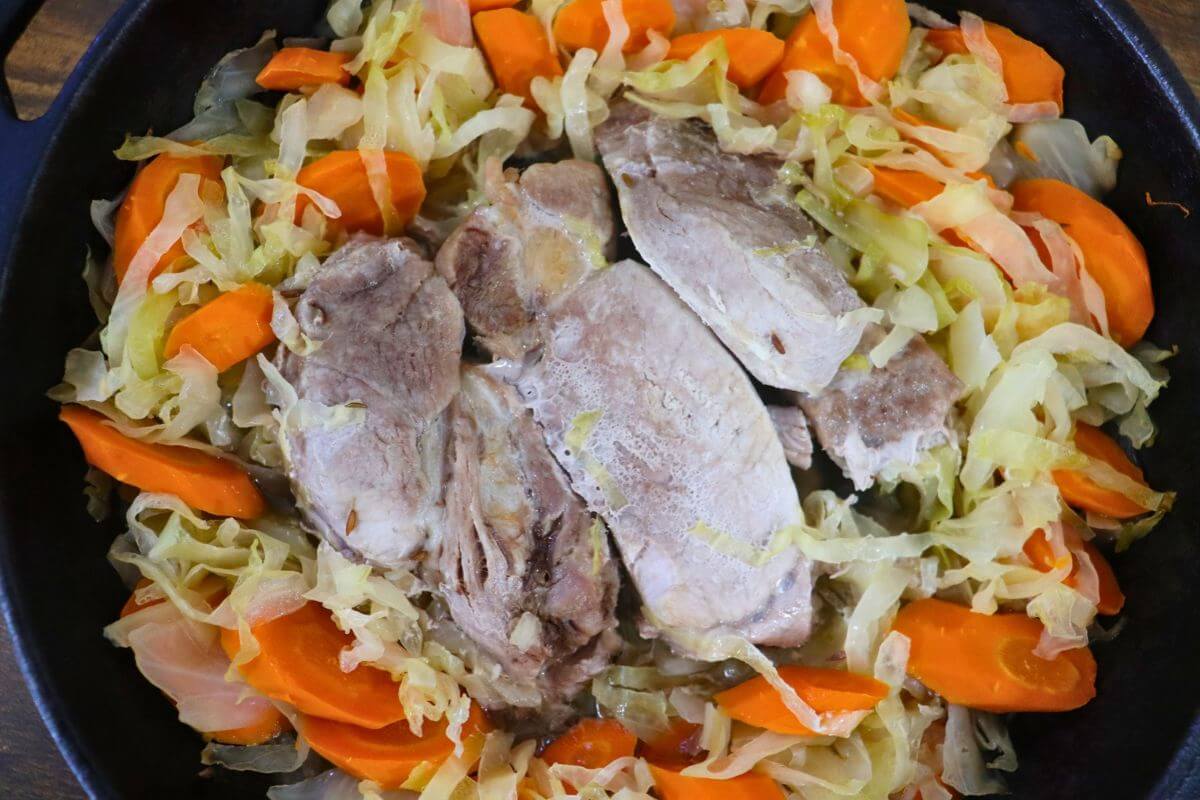
Making grandmas ribs and kraut even better
My grandmother made country style pork ribs and sauerkraut at least twice a month. I guess she loved sauerkraut as much as I do! She always made hers in a crockpot and kept the whole process completely fuss-free. She dropped the ribs and a few cans of sauerkraut into the crockpot, turned it on, and walked away.
It was one of my favorite meals. But these days, I make my own version by using homemade sauerkraut and adding sliced carrots. I also cook it in the oven instead of a crockpot. It’s still pretty fuss-free, and I think it’s just a little bit better. Sorry, Gran!
I like to use a blade-style meat tenderizer to prepare the ribs for a shorter oven bake. But if you prefer to let the oven do the tenderizing, I’ve included a longer, slow-baked method as well.
If you’re looking for more cast iron skillet comfort meals to bring to the table, be sure to try my homemade cottage pie, baked mushroom macaroni and cheese, and classic chicken casserole too.
Recipe ingredients
- Pork Spareribs: Look for boneless country-style pork ribs with a good balance of meat and fat. They’re meaty, flavorful, and easy to tenderize. Bone-in ribs are a good choice if you’re using the longer oven method to tenderize the meat. With either cut, the fat adds richness to the sauerkraut as the pork cooks.
- Sauerkraut: Homemade sauerkraut is my preference, but canned or refrigerated sauerkraut works too. The tangy cabbage complements the richness of the pork. I’m particularly fond of the flavor that my traditional wine sauerkraut adds to this dish.
- Carrots: Sliced carrots add a little sweetness that balances the acidity of the sauerkraut. They also make a nice addition to the traditional combination of pork and cabbage.
See the recipe card for full information on ingredients and quantities.
How to make spareribs and sauerkraut
Making spareribs and sauerkraut in the oven is an easy, mostly hands-off process. You can tenderize the pork before cooking for a quicker meal or let it become tender naturally during a longer oven bake.
Step 1: Preheat the Oven
Preheat your oven to 275°F (135°C). This low temperature allows the pork to cook gently while the sauerkraut and carrots soften in the skillet.
Step 2: Tenderize the Pork
Place the boneless country-style pork ribs on a cutting board. Using a blade-style meat tenderizer, press the blades firmly into the meat, working evenly across the meat rather than repeatedly tenderizing the same area. Turn the ribs over and repeat on the opposite side.
The blades cut through muscle fibers and connective tissue, helping produce more tender pork without requiring several hours in the oven.
Note: If you’re using the longer cooking method, you can skip this step. The meat will become tender during the extended bake.
Step 3: Assemble the Skillet
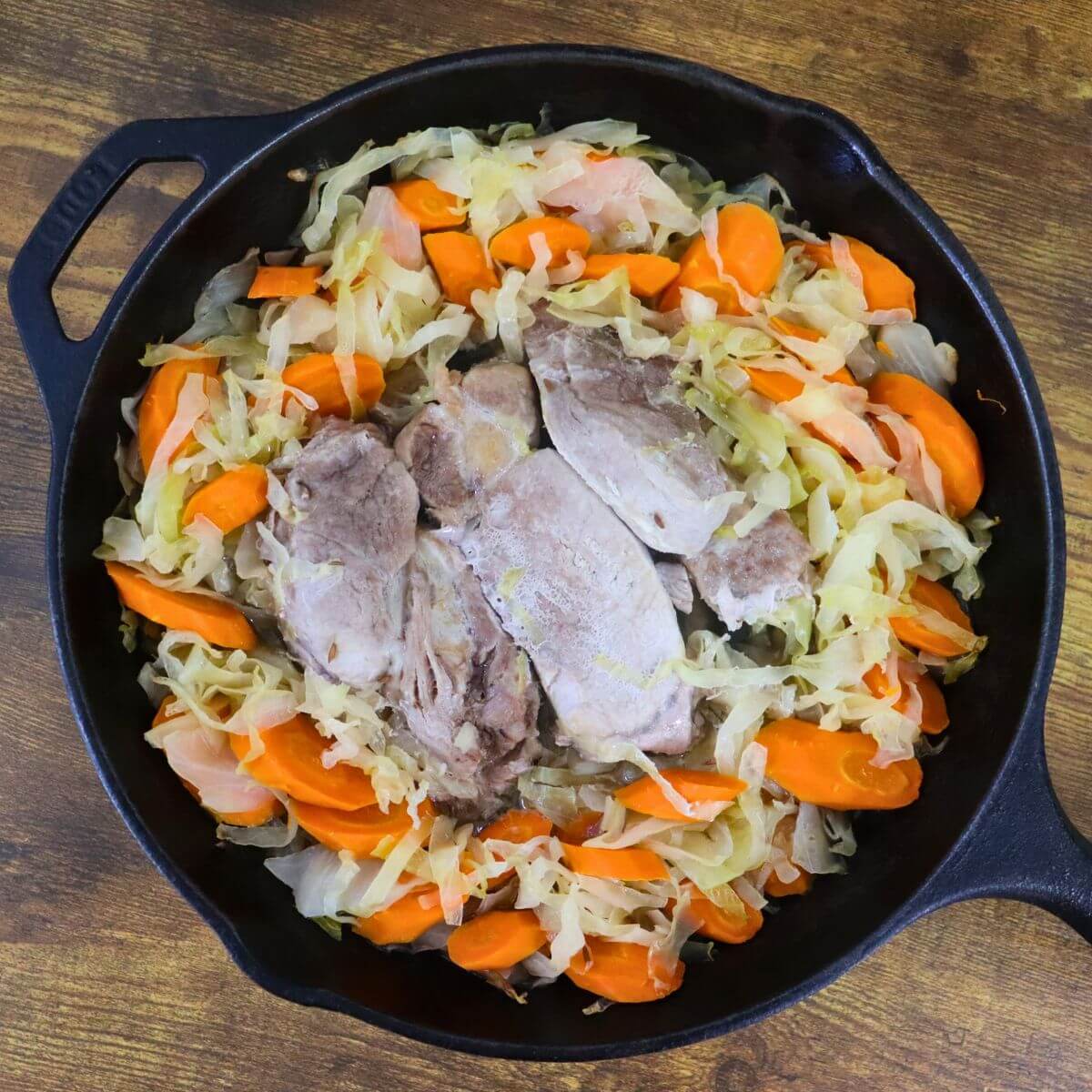
Place the tenderized pork in the center of a 10-inch cast iron skillet. Arrange the sauerkraut around the pork and tuck the sliced carrots into the cabbage so they cook in its juices. Add ⅓ cup of sauerkraut brine to keep the cabbage moist during baking. The moisture helps prevent the pork from drying out while the flavors of the meat and sauerkraut mingle.
Step 4: Cover and Bake
Cover the skillet with a tight-fitting, oven-safe lid and place it in the preheated oven.
Bake the tenderized boneless country-style ribs for approximately 1 hour, or until the thickest portion of the meat reaches at least 145°F (63°C). Remove the skillet from the oven and let the pork rest for 10 minutes before serving.
For the longer cooking method: Keep the skillet covered and bake the untenderized ribs for approximately 3–3½ hours, or until the meat is fork-tender. During this longer bake, the connective tissue gradually breaks down, producing softer, more easily separated meat. An internal temperature around 195–203°F (91–95°C) is a useful guide, but the final test is how easily a fork enters the pork.
Pro tips
- Cut Carrots Evenly: Cut the carrots into uniform ¼-inch rounds so they cook at the same rate and reach the same tenderness.
- Keep the Lid Closed: Resist the temptation to repeatedly uncover the skillet during the one-hour bake. The trapped steam helps keep the pork and sauerkraut moist. For the longer method, check the liquid level occasionally and add a little more sauerkraut brine if necessary.
- Protect Your Skillet: Sauerkraut is acidic and can affect the seasoning on cast iron, particularly during extended cooking. A well-seasoned skillet is important, and enameled cast iron is another good option. Transfer leftovers to a storage container rather than refrigerating them in the skillet.
Variations and substitutions
Although I love the simplicity of this three-ingredient recipe, I occasionally like to change things up by adding a few extra ingredients to the skillet.
- Onions: Sliced onions are a natural addition to pork and sauerkraut. They soften during baking and contribute a little sweetness.
- Caraway Seeds: Caraway seeds are another traditional pairing with sauerkraut. Their distinctive flavor works particularly well with pork.
- Bacon: A little chopped, cooked bacon adds richness and a savory, smoky flavor to the dish.
- Root Vegetables: Parsnips or potatoes can be used along with, or in place of carrots, for a different take on this traditional meal.
You can also change the flavor of the dish by choosing different varieties of homemade sauerkraut. Homemade beet sauerkraut contributes an earthy flavor. Small-batch apple sauerkraut brings a touch of natural sweetness that pairs beautifully with pork, and traditional Russian sour cabbage offers another option with its own distinctive flavor.
A New Year’s tradition
Eating pork and sauerkraut on New Year’s Day is a long-standing tradition in Pennsylvania Dutch and German-American households. Pork symbolizes prosperity and moving forward, while sauerkraut is associated with good luck and abundance in the coming year. It’s a tradition that has been passed down through generations, and this easy spareribs and sauerkraut recipe is a wonderful way to keep it alive in your own home.
Storage and reheating
- Refrigerate: Allow leftover spareribs and sauerkraut to cool slightly before transferring them to an airtight container. Refrigerate promptly and use within 3–4 days.
- Freeze: Transfer the cooked pork and sauerkraut to freezer-safe containers and freeze for up to 3 months for best quality.
- Reheat: Place the leftovers in an oven-safe dish, cover, and warm at 300°F (150°C) until heated through.
Frequently asked questions
Should you rinse sauerkraut before cooking it with pork?
No. Rinsing sauerkraut washes away much of the tangy flavor that makes it such a good pairing with pork. Use the sauerkraut along with the measured amount of its brine to get the full flavor of the fermented cabbage.
Can you use canned sauerkraut for spareribs and sauerkraut?
Yes. Canned or refrigerated sauerkraut can be used in this recipe. However, I recommend homemade sauerkraut whenever possible. It has a more complex flavor and a firmer texture than most commercially prepared varieties, making it a better choice for this dish.
Other recipes you’ll love
If you loved this from scratch spareribs and sauerkraut recipe, give these other great main dish recipes a try too!
Mushroom Galette With Shallots and Gorgonzola
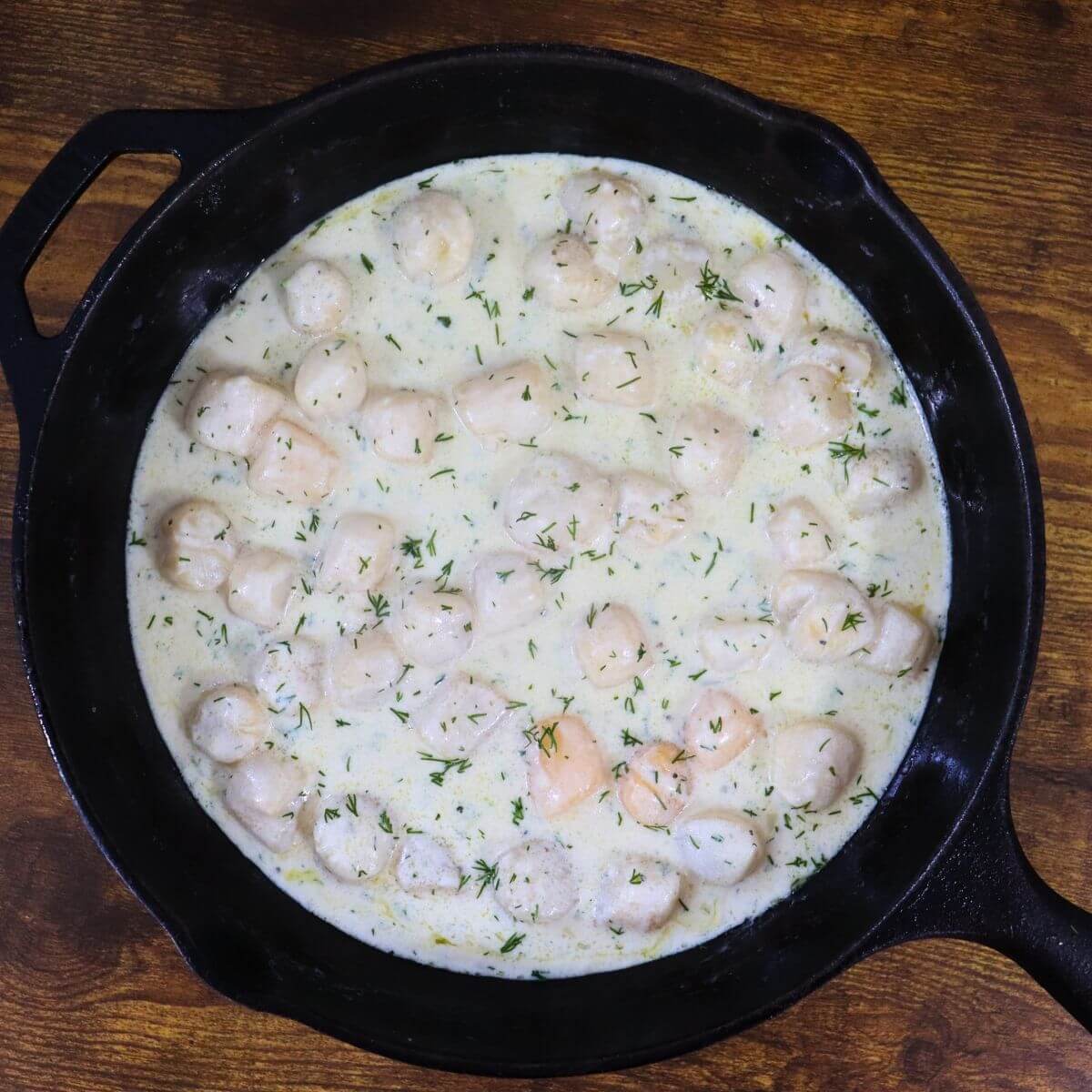
Creamy Garlic Scallops (Ready in 20 Minutes)
Homemade Turkey Meatball Alfredo
Creamy Baked Pumpkin Pasta
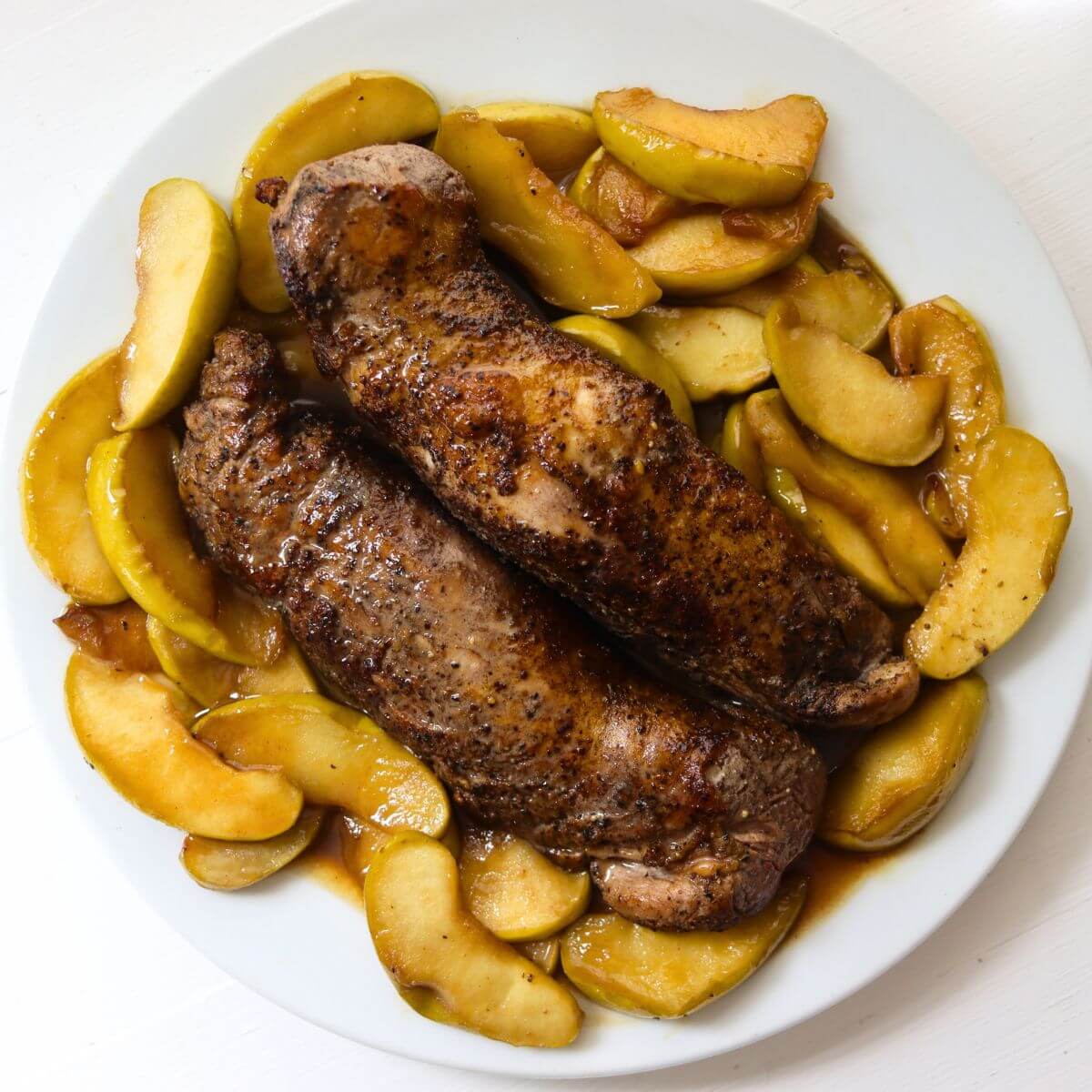
Apple and Pork Tenderloin with Maple Dijon Sauce
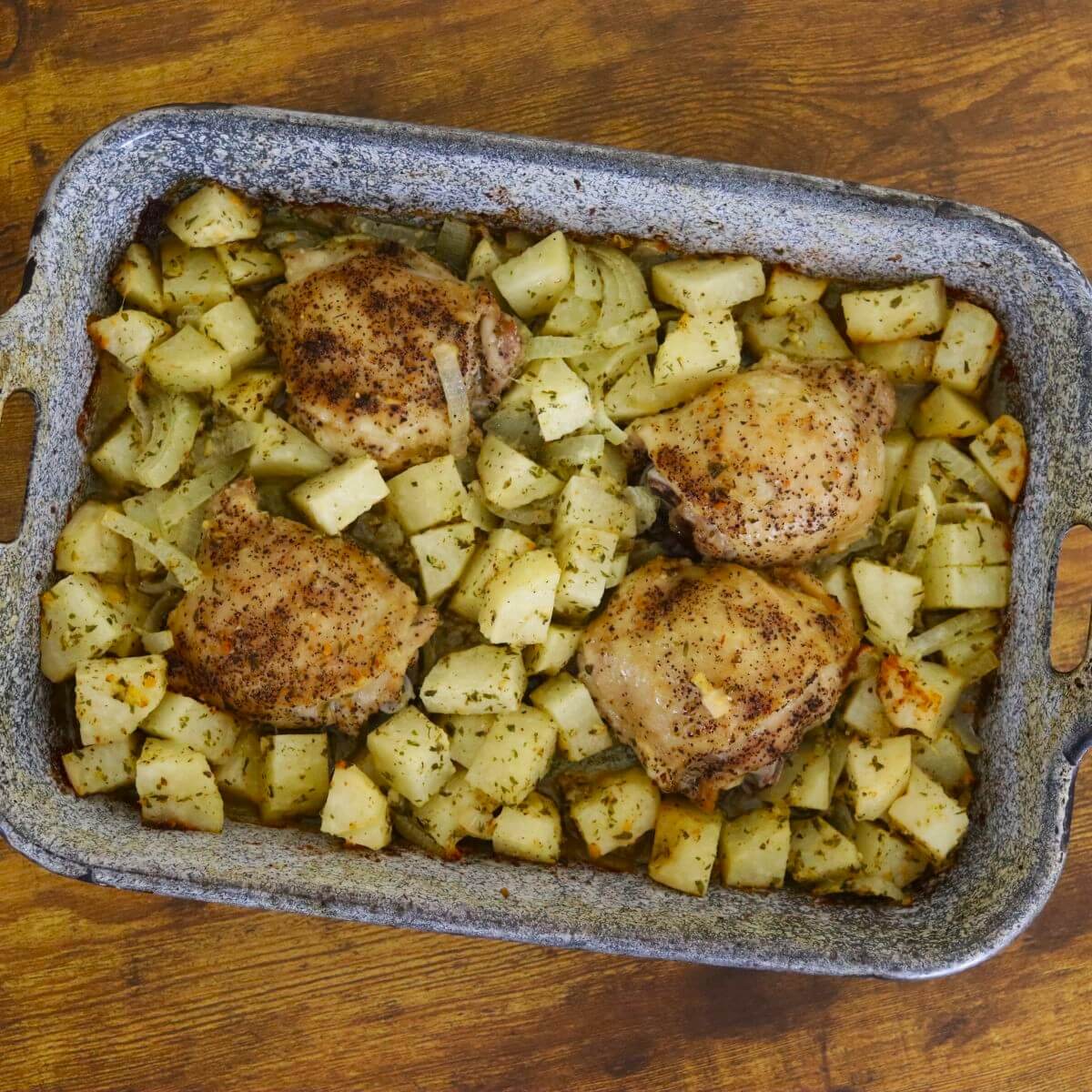
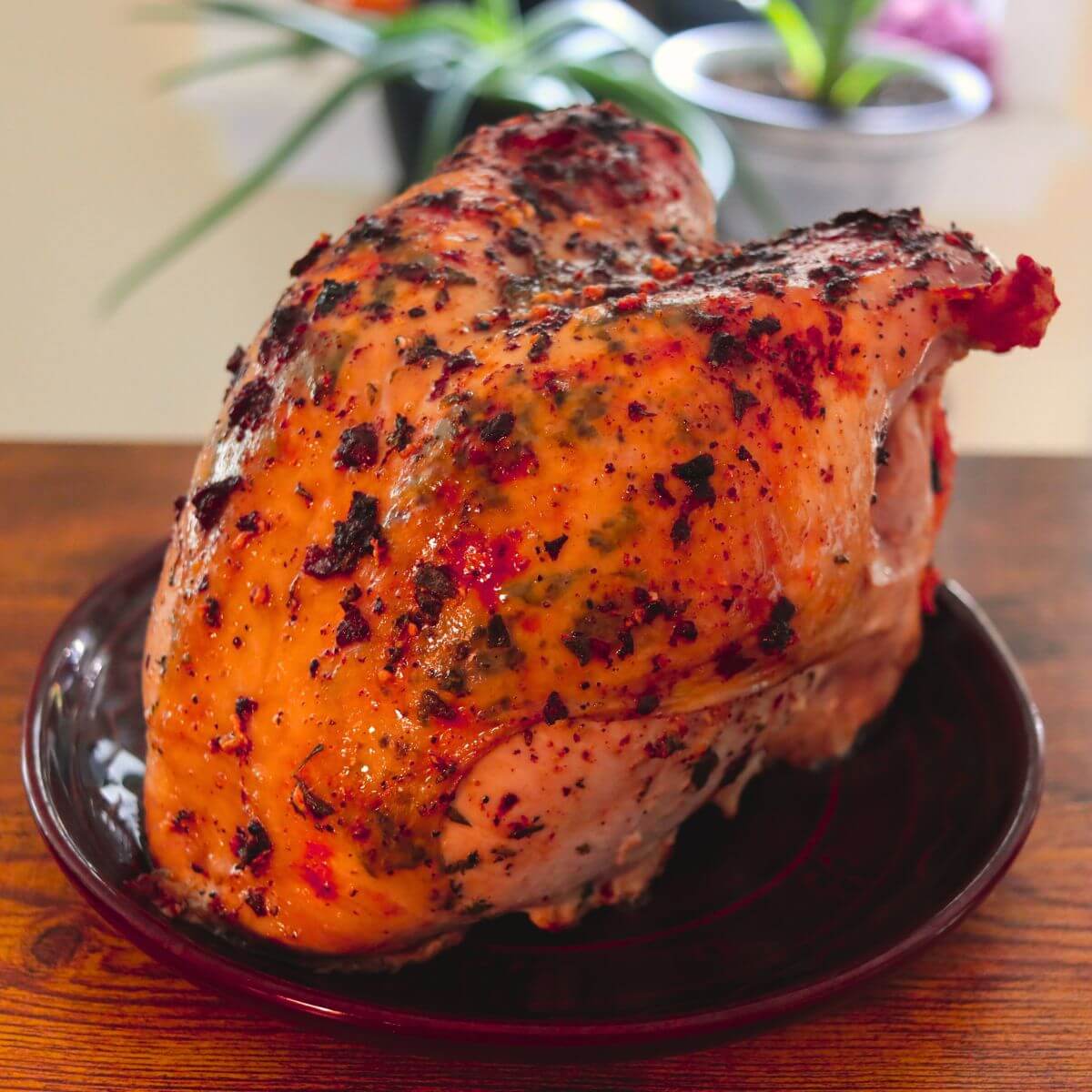
Baked Hawaiian BBQ Chicken Recipe
Spareribs and Sauerkraut
Ingredients
- 1 pound country-style spareribs boneless
- 2 cups sauerkraut with 1/3 cup juice
- 2 large carrots peeled, sliced diagonally into ¼-inch-thick pieces
Instructions
- Preheat the oven to 275°F (135°C).
- Using a blade-style meat tenderizer, tenderize both sides of the boneless country-style pork ribs, working evenly across the surface of the meat. Skip this step if using the longer cooking method.
- Place the pork in the center of a 10-inch cast iron skillet. Arrange the sauerkraut around the pork and tuck the sliced carrots into the cabbage. Add ⅓ cup of sauerkraut brine.
- Cover the skillet with a tight-fitting, oven-safe lid and bake for approximately 1 hour, or until the thickest portion of the pork reaches at least 145°F (63°C).
- For the longer cooking method: Bake the untenderized ribs, covered, for approximately 3–3½ hours, or until fork-tender. An internal temperature of 195–203°F (91–95°C) is a useful guide.
- Remove the skillet from the oven and let the pork rest for 10 minutes before serving.
Notes
-
Boneless country-style pork ribs are best for the shorter cooking method. Bone-in ribs are a good choice for the longer method.
-
Homemade sauerkraut is recommended for the best flavor, but canned or refrigerated sauerkraut can also be used. Do not rinse the sauerkraut.
- Bake covered for both methods. During the longer bake, check the liquid level occasionally and add brine as needed.
-
Refrigerate leftovers in an airtight container for up to 4 days or freeze for up to 3 months.
-
Reheat leftovers in a covered, oven-safe dish at 300°F (150°C) until heated through.
Nutrition
Nutrition information is automatically calculated, so should only be used as an approximation.