Breakfast Sausage Patty Recipe

This breakfast sausage patty recipe turns ground pork and simple seasonings into thin, juicy homemade sausage patties that are just right for breakfast sandwiches. Each patty is sized to fit nicely on a sandwich-size English muffin.
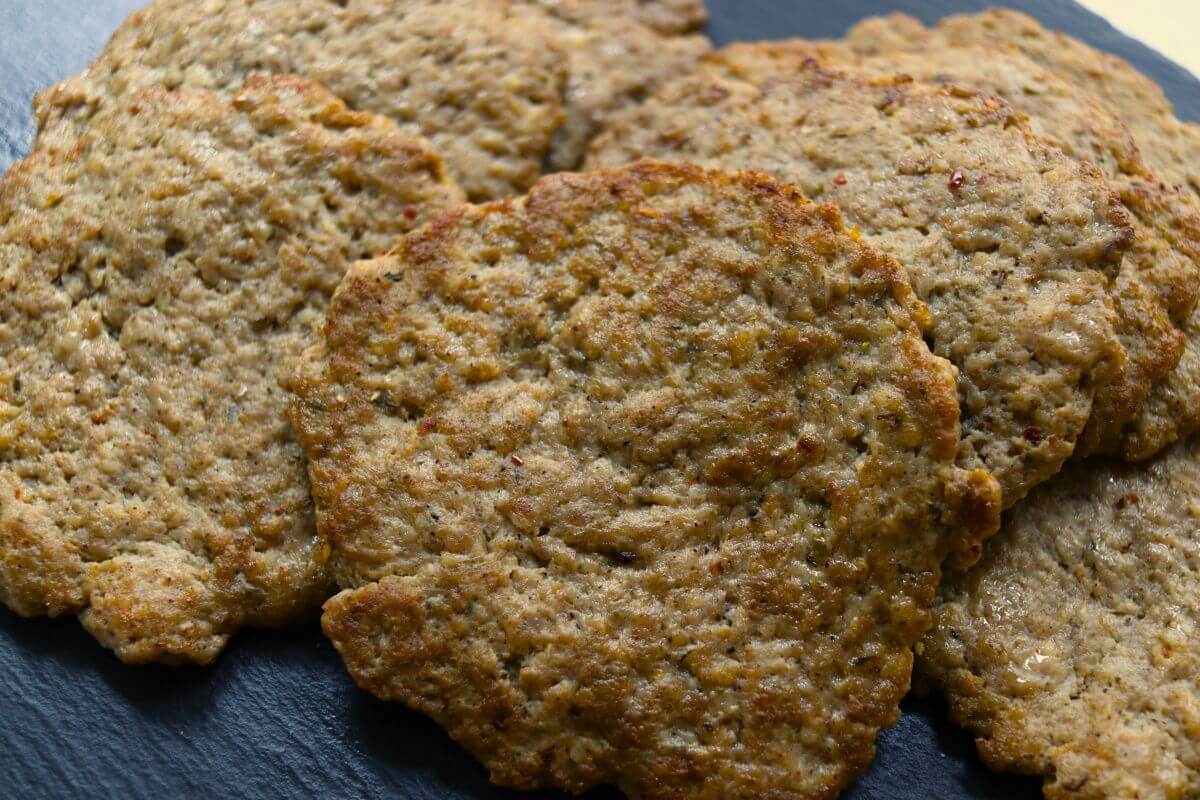
Finally nailed the best fast food breakfast sausage patty
I’ve spent a lot of time trying to create a breakfast sausage that I truly enjoy. I’m not very fussy about most things in the kitchen. I like variety, and I’m perfectly happy when a dish turns out a little different than I expected. But breakfast sausage is one thing I’m pretty picky about.
No matter how many versions I tried, I couldn’t make one that competed with my favorite store-bought brand or my guilty fast-food fix. The flavor was never quite right.
Then I discovered a few simple tricks, applied them to my recipe making efforts, and they completely turned things around and gave me the breakfast sausage of my dreams. Today, I’m going to share those tricks with you so you can make them too.
For another great homemade breakfast sausage, reminiscent of the versions served in Ireland, try my Irish-style breakfast sausage. And if you’d like to bring homemade sausage beyond the breakfast table, try my apple sausage from scratch and sweet Italian pork sausage patties.
Recipe ingredients
- Ground pork: The fat in ground pork is essential for breakfast sausage that stays juicy and tender as the thin patties cook. Look for ground pork with visible fat rather than an exceptionally lean package; patties made with pork that’s too lean can become dry and firm very quickly. Ground beef, chicken, or turkey can be used in place of the pork, but each will significantly change the flavor profile of the sausage. If using chicken or turkey, choose ground meat with some fat rather than an extra-lean variety to help keep the patties juicy.
- White pepper: White pepper has a distinct earthy, slightly pungent heat that works alongside the black pepper in this recipe. Using both gives the sausage a more complex pepper flavor, with white pepper contributing a characteristic flavor found in many traditional breakfast sausages.
- Rubbed sage: Rubbed sage is dried sage that has been gently rubbed into a light, fluffy texture rather than ground into a fine powder. It has the familiar woodsy, savory flavor associated with breakfast sausage and distributes more evenly throughout the pork preventing the concentrated flavor you can get from finely ground sage.
- Ice water: Ice water adds moisture, helping the thin sausage patties stay juicy as they cook. It also helps distribute the seasonings evenly throughout the pork and keeps the mixture cold while it’s being mixed, preventing the fat from softening and smearing into the meat. It gives the sausage a more characteristic, slightly springy bite instead of a loose, crumbly ground-meat texture.
See the recipe card for full information on ingredients and quantities.
How to make breakfast sandwich sausage patties
Step 1: Add the ground pork, rubbed sage, salt, granulated sugar, white pepper, black pepper, thyme, and crushed red pepper to the bowl of a stand mixer. Add the ice water at the last minute, just before you are ready to begin mixing, so it stays as cold as possible.
Step 2: Using the paddle attachment, mix on low speed for 5 minutes. The mixture will become tacky and cohesive as it mixes. This is an important step for developing the characteristic sausage texture and slightly springy bite that you want in your patties.
Step 3: Cover the sausage mixture and refrigerate it overnight. This gives the seasonings time to evenly flavor the pork and allows the sage, thyme, and peppers to fully develop in the mixture.
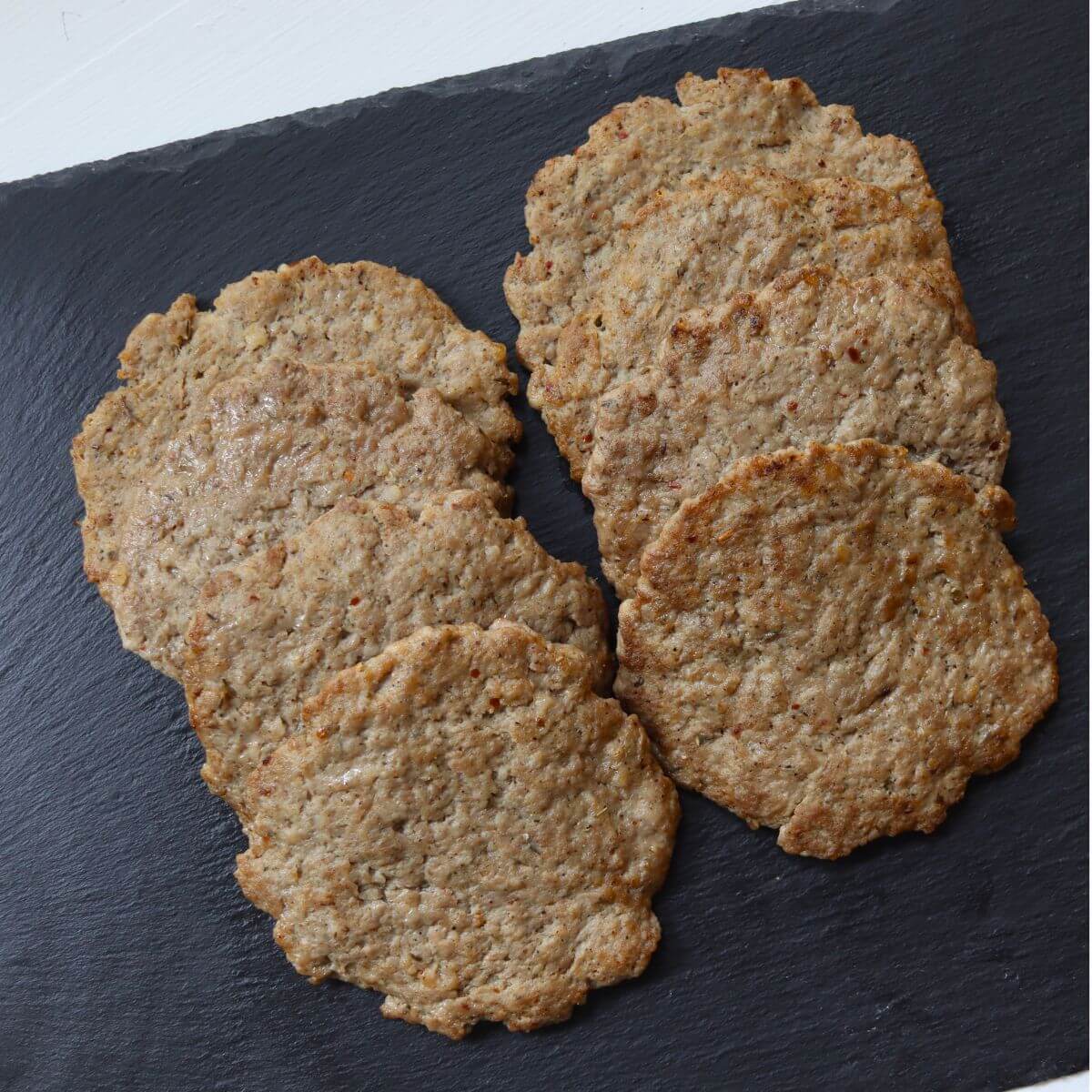
Step 4: Divide the chilled sausage mixture into 8 equal portions and shape each portion into a thin, round patty sized for a sandwich-size English muffin. Make the patties slightly thinner than you want them when finished, as they will contract around the edges and become thicker as they cook.
To cook for breakfast sandwiches
Place the sausage patties in a skillet over medium heat. Cook, turning as needed, until nicely browned on both sides. Avoid pressing down on the patties as they cook, which forces out flavorful juices and rendered fat.
To cook from frozen: There is no need to thaw the sausage patties before cooking. Place the frozen patties in a skillet over medium-low heat and cover the skillet for the first few minutes to help the centers begin cooking before the outsides brown too quickly. Remove the cover, increase the heat to medium, and continue cooking, turning occasionally, until the patties are browned on both sides
Would you like to save this post for later?
To freeze raw sausage patties
Arrange the shaped raw patties in a single layer on a silicone-lined baking sheet or tray, leaving a little space between them. Freeze until completely firm.
Transfer the frozen patties to a freezer-safe bag, press out as much excess air as possible, and seal tightly. Because they’re frozen individually first, you can remove only as many patties as you need without them freezing together.
To freeze cooked sausage patties
Allow the cooked sausage patties to cool completely before freezing so trapped heat doesn’t create excess condensation and ice crystals in the package.
Arrange the cooled patties on a silicone-lined baking sheet or tray and freeze until firm. Transfer them to a freezer-safe bag, remove as much excess air as possible, and seal tightly.
Simple tips that finally made my breakfast sausage just right
- White pepper makes a difference: Black pepper alone didn’t give me the flavor I was looking for. Adding white pepper was one of the changes that brought the seasoning much closer to the familiar breakfast sausage flavor I wanted. For this particular recipe, I consider it essential rather than an optional seasoning or something to substitute.
- Rubbed sage completely changes the flavor: Ground sage and rubbed sage may come from the same herb, but they did not give me the same result in this sausage. Rubbed sage produced the flavor I had been trying to achieve, while ground sage gave the sausage a noticeably different character. This is another ingredient I wouldn’t substitute.
- Use a stand mixer: This is something I’ve learned from making sausage in general, rather than something I discovered while developing this particular recipe. Sausage can absolutely be mixed by hand, but once I started using a stand mixer, I found the difference in the texture of the finished sausage remarkable. If you have access to one, it’s worth using.
- Don’t shorten the rest time: This was one of the biggest discoveries for me. I tested the sausage before it had rested long enough, and the difference was remarkable. The same mixture that could taste weak or even bland at first developed a much fuller, more pronounced sausage flavor after a full 8 hours in the refrigerator. Don’t rush this part.
- Wet your hands lightly with cold water: This helps prevent the sausage mixture from sticking to your fingers while shaping the patties.
Serve
These breakfast sausage patties were made with breakfast sandwiches in mind. Layer a hot patty with a fried or scrambled egg and your favorite cheese on a toasted English muffin, classic buttermilk biscuit, traditional New York bagel, or homemade roll. Or turn that same sausage-and-egg combination into a breakfast grilled cheese with sausage and egg, with crisp grilled bread and plenty of melted cheese.
For a classic diner-style breakfast, serve this sausage alongside an easy home fries with eggs plate, pairing the savory patties with crisp golden potatoes and eggs cooked just the way you like them. If you’re in the mood for something sweet alongside this savory sausage, homemade farmhouse pancakes are a classic choice, while from scratch pumpkin spice pancakes bring warm fall spices to the plate. For something beyond the usual pancakes and toast, baked blueberry bostock pairs buttery, crisp-edged brioche with blueberries for a breakfast worth lingering over.
And patties are only one way to serve this sausage. Shape the mixture into links to put alongside your favorite breakfast dishes, or cook it loose for an omelet, breakfast pizza, breakfast casserole, sausage gravy, or breakfast burritos. One batch gives you plenty of options for putting homemade breakfast sausage on the table.
Other recipes you’ll love
If you loved this from scratch sausage recipe, give these other great sausage recipes a try too!
Homemade Hot Italian Sausage Recipe From Scratch
Fennel Sausage Recipe | Traditional Italian Sausage
Homemade Garlic Basil Sausage Recipe
Breakfast Sausage Patty Recipe
Ingredients
- 1 1/2 pounds ground pork
- 2 teaspoons rubbed sage
- 1 1/2 teaspoons salt
- 1 1/4 teaspoons granulated sugar
- 3/4 teaspoon ground white pepper
- 1/2 teaspoon fine ground black pepper
- 1/2 teaspoon dried thyme
- 1/2 teaspoon crushed red pepper flakes
- 3 tablespoons ice water
Instructions
- Add the ground pork, rubbed sage, salt, granulated sugar, white pepper, black pepper, thyme, and crushed red pepper to the bowl of a stand mixer. Add the ice water immediately before mixing.
- Mix on low speed with the paddle attachment for 5 minutes, until the sausage mixture is tacky and cohesive.
- Cover and refrigerate for at least 8 hours.
- Divide the chilled sausage into 8 equal portions. Shape each portion into a thin, round patty, making it slightly thinner than you want the finished patty because it will thicken as it cooks.
- Cook the patties in a skillet over medium heat, turning as needed, until browned on both sides. Do not press down on the patties while they cook.
Notes
- Allow the sausage mixture to rest in the refrigerator for at least 8 hours. This is essential for developing the full flavor of the seasonings.
- Use rubbed sage, not ground sage. The two produce noticeably different flavors in the finished sausage.
- Do not omit or substitute the white pepper; it is essential to the intended flavor of this recipe.
- For raw freezer patties, freeze individually on a silicone-lined tray until firm, then transfer to a freezer-safe bag.
- Patties can be cooked directly from frozen; start over medium-low heat, then finish over medium heat until they are browned on both sides.
Nutrition
Nutrition information is automatically calculated, so should only be used as an approximation.