Homemade Apple Cider Mustard Recipe
This homemade apple cider mustard recipe balances tangy mustard with the sweet, fruity flavor of apple cider. It’s easy to make and brings a depth of flavor to sandwiches, roasted meats, and sausages that ordinary store-bought mustard just can’t match.
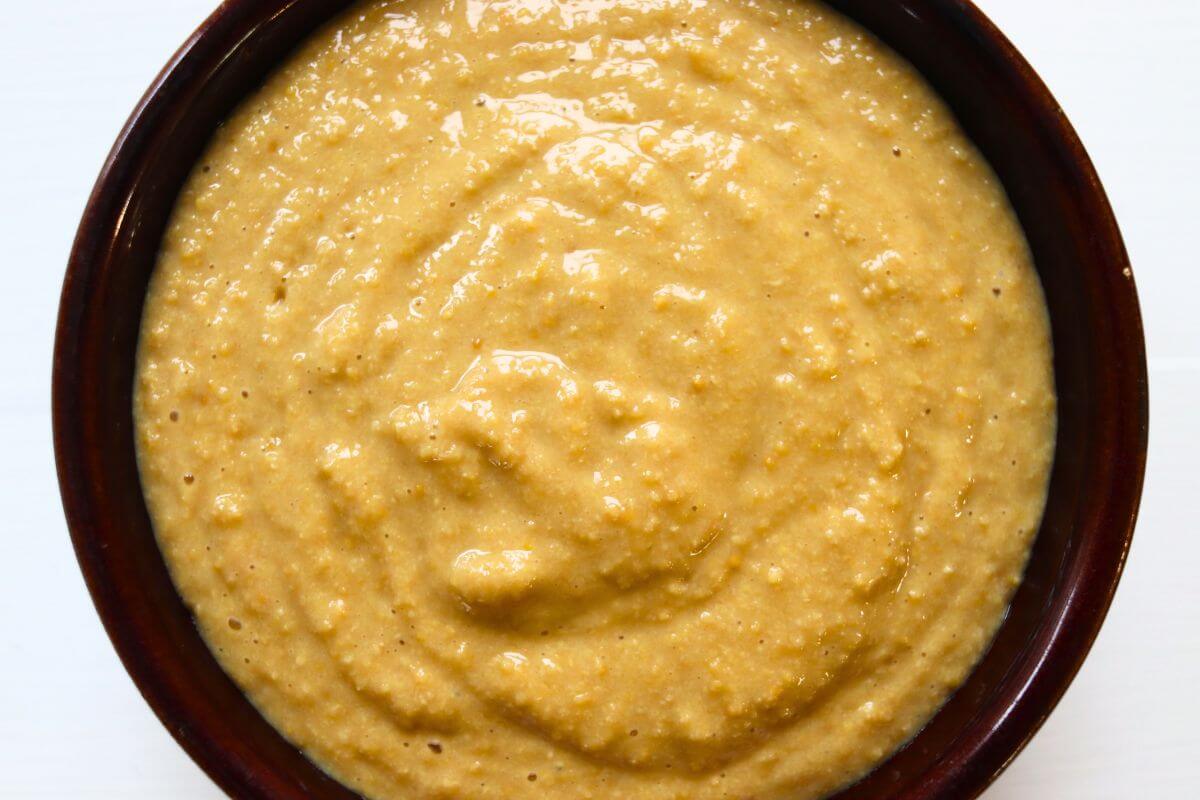
Make your mustard taste like fall
I’ve discovered just how easy it is to make mustard from scratch, and now I’m off to the mustard-making races, full speed ahead! A few years ago, I made a spicy cranberry mustard using prepared mustard as the base, and it became a fall staple in my kitchen. This year, I’m branching out with an apple cider mustard recipe, the start of what I hope will become a whole lineup of fall mustards.
I skipped the prepared mustard and made this version completely from scratch. And I couldn’t be more pleased! There’s something about making mustard that makes me feel like a real master in the kitchen. And I don’t know why, because it’s surprisingly easy to make!
The only real challenge is getting that sharp, horseradish-like bite from the mustard seeds and powder just where you want it. And that’s where a little know-how makes all the difference. I’ll share what I’ve learned about controlling that punchy flavor so you can make mustard that suits your taste, whether you’re trying this recipe or experimenting with others.
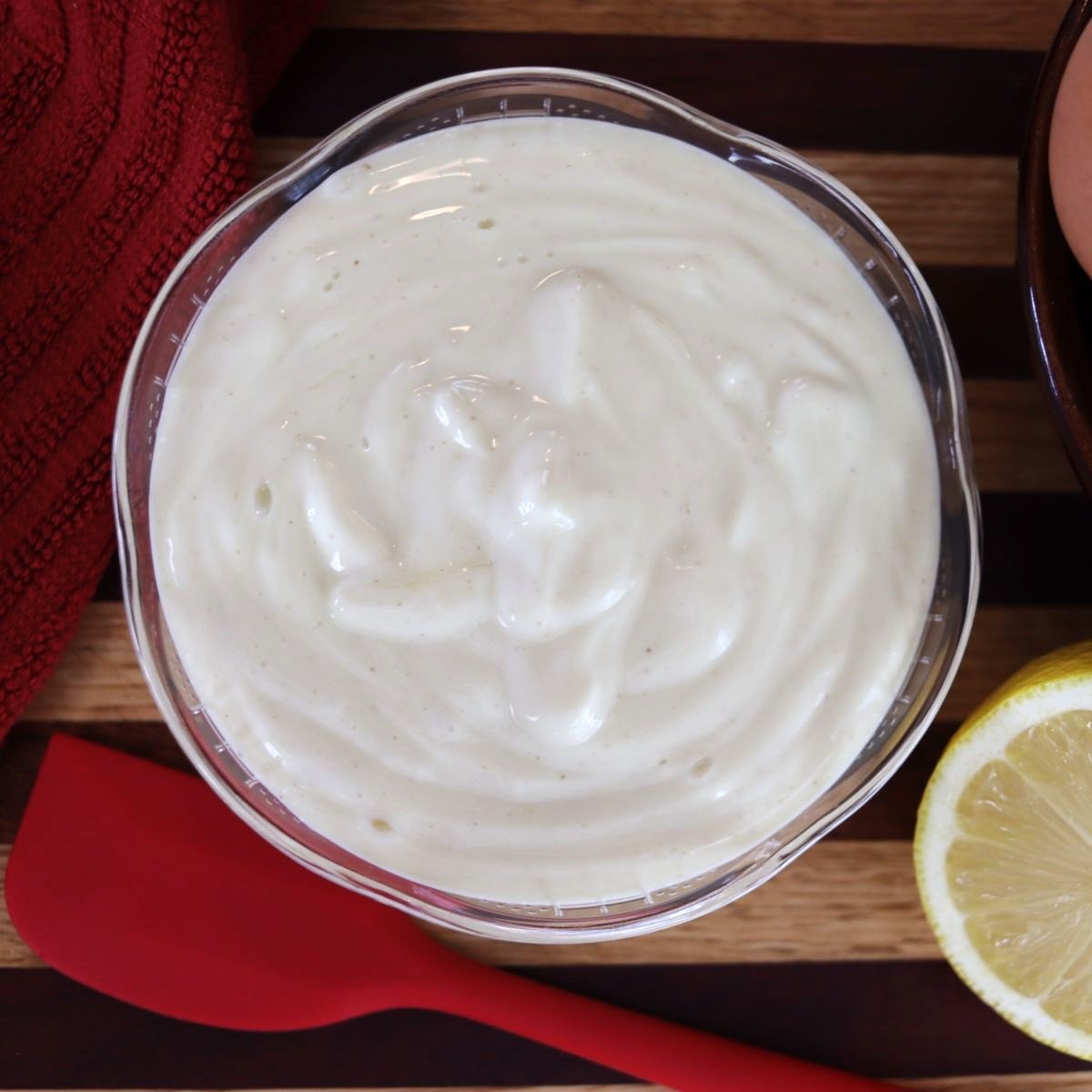
And if you enjoy making condiments from scratch as much as I do, you’ll want to try my small batch Dijon mustard, homemade horseradish mayonnaise, and homemade spicy aioli sauce too.
Recipe ingredients
- Yellow mustard seeds: Choose whole, fresh yellow mustard seeds for their milder flavor compared to brown or black varieties. They provide the foundation of the mustard’s flavor and texture, with a sharp bite that develops when the seeds are crushed and exposed to liquid.
- Mustard powder: Use fresh, finely ground mustard powder for the best flavor. It adds another layer of mustard pungency and helps create a thicker, more cohesive consistency.
- Apple cider vinegar: Choose a good-quality apple cider vinegar with 5% acidity. It adds a fruity tang that complements the mustard seeds and helps control the development of their sharp, pungent bite.
- Apple cider: Look for fresh, unfiltered apple cider with a rich apple flavor. It brings natural sweetness and fruity depth that balances the sharpness of the mustard.
- Honey: Choose a mild honey, such as clover, that won’t compete with the apple cider. It rounds out the acidity and mustard’s pungency, bringing the flavors into balance.
See the recipe card for full information on ingredients and quantities.
How to make apple cider mustard
Step 1: Add the yellow mustard seeds, mustard powder, apple cider, and apple cider vinegar to a clean quart-sized jar. Stir well to distribute the mustard powder evenly and make sure all the seeds are submerged in the liquid.
Step 2: Cover the jar loosely and let the mixture rest at room temperature for 24 hours. This gives the mustard seeds time to absorb the liquid and soften, making them easier to blend.
Step 3: Add the honey and salt to the jar. Using an immersion blender, process the mixture until the mustard seeds are broken down to your liking, scraping down the sides of the jar as needed. The mustard will be relatively loose at this stage, so don’t worry about its consistency. It will continue to thicken as it rests in the refrigerator.
Step 4: Cover the jar and refrigerate the mustard for at least one week before tasting. Freshly made mustard can have an intense, sharp bite that gradually mellows as it rests, allowing the apple cider and honey flavors to become more noticeable.
Step 5: After a week, taste the mustard and add more honey if you’d like a sweeter flavor or want to balance some of the remaining sharpness. Stir thoroughly to incorporate the honey before serving.
Top tips
- Avoid overblending: Blending generates heat, which can affect the mustard’s pungency. Work in short bursts rather than running the immersion blender continuously, especially if you want to preserve its sharp, lively flavor.
- Warm the mustard to mellow its bite: If the mustard is still too sharp after resting, gently warm it over low heat, stirring frequently. Heat reduces the compounds responsible for mustard’s pungent bite, making this a good alternative to adding more honey when you’re happy with the sweetness but want less heat. Avoid boiling, and keep in mind that the change is difficult to reverse.
- Don’t rush the resting period: Patience is one of the most important ingredients in homemade mustard! That week in the refrigerator isn’t just a suggestion. It’s essential for allowing the harsh, freshly made mustard bite to mellow. Taste it too early, and you may be tempted to change a recipe that simply needs more time.
- Stir before serving: Homemade mustard doesn’t contain the stabilizers found in many commercial varieties, so a little separation is natural. Stirring brings everything back together.
- Use a clean, dry spoon: Introducing moisture or food particles into the jar can encourage spoilage. Always use clean utensils when serving your homemade mustard.
Serve
The sweet and tangy flavor of homemade apple cider mustard is a natural match for roasted meats, hearty sandwiches, and sausages. Try it alongside homemade apple pork tenderloin, apple sausage from scratch, or savory garlic basil sausage. It’s also delicious with baked ham, grilled bratwurst, and warm soft pretzels.
For sandwiches, spread a little on a turkey and stuffing grilled cheese or traditional New York club sandwich. It also adds a tangy contrast to the apples and melted cheese in a sweet and savory apple grilled cheese.
Serve it as a dipping sauce for crunchy almond coated chicken or alongside oven-baked chicken. It’s equally at home on a cheese board with aged cheddar, smoked Gouda, crisp apples, and crackers.
And don’t forget salad dressings! Use this apple cider mustard in place of the mustard called for in my balsamic mustard dressing from scratch or homemade tangy mustard salad dressing to give them a delicious hint of fruity sweetness.
Other recipes you’ll love
If you loved this from scratch mustard recipe, give these other great condiment recipes a try too!
Old-Fashioned Southern Tartar Sauce
Homemade Cajun Tartar Sauce
Chicago Mild Sauce
Simple Ginger Scallion Sauce
Homemade Mayonnaise
Garlic Butter Medallions
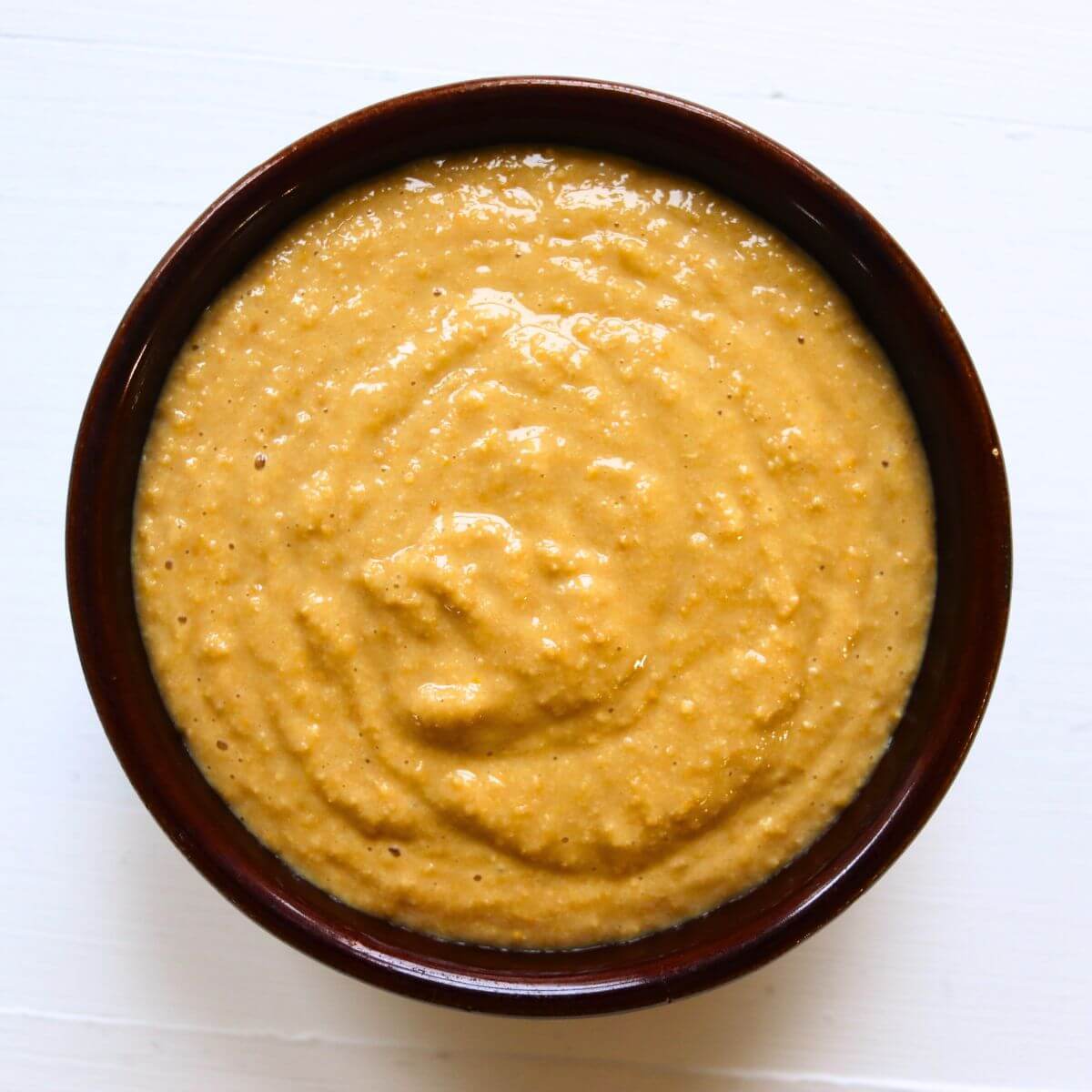
Apple Cider Mustard
Ingredients
- 1/2 cup yellow mustard seeds
- 6 tablespoons mustard powder
- 3/4 cup apple cider
- 1/2 cup apple cider vinegar
- 3 tablespoons honey
- 1 teaspoon salt
Instructions
- Combine the yellow mustard seeds, mustard powder, apple cider, and apple cider vinegar in a clean quart-sized jar. Stir well to combine.
- Cover the jar loosely and let the mixture rest at room temperature for 24 hours to soften the mustard seeds.
- Add the honey and salt. Blend with an immersion blender until the mustard seeds are broken down to your liking, scraping down the sides of the jar as needed. The mustard will thicken as it rests.
- Cover the jar and refrigerate for at least 1 week to allow the sharp mustard flavor to mellow before tasting.
- Taste the mustard and add more honey if desired to balance the sharpness. Stir well to incorporate before serving.
Notes
- Mustard’s sharp bite mellows with time. Taste it too soon, and you may adjust a flavor that simply needs more time to develop.
- After the resting period, taste the mustard and add more honey if you prefer a sweeter flavor.
- If the mustard is still too pungent but you don’t want additional sweetness, gently warm it over low heat, stirring frequently. Avoid boiling, as excessive heat can dull the flavor.
- The mustard will be relatively loose immediately after blending and will continue to thicken as it rests in the refrigerator.
- Keep the mustard covered in the refrigerator and always use a clean, dry spoon when serving.
Nutrition
Nutrition information is automatically calculated, so should only be used as an approximation.