Homemade Dijon Mustard (No Mustard Seeds)
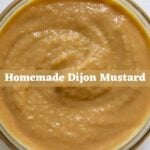
Homemade Dijon mustard has the sharp, tangy flavor and smooth, creamy texture that makes Dijon so distinctive. This from-scratch version uses simple pantry ingredients to make a classic mustard with plenty of depth and a balanced bite.
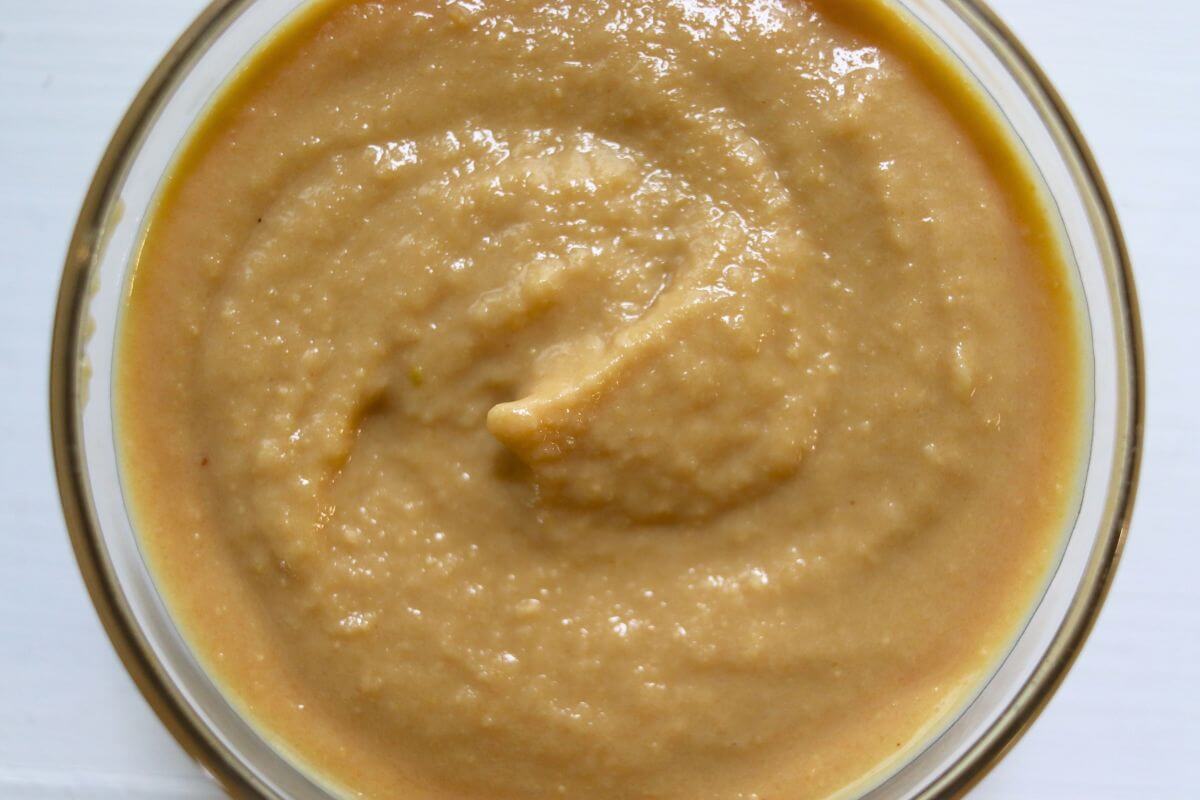
Dijon mustard is a workhorse staple in the kitchen
If you’ve browsed around the blog for even a minute, you know that I like to make the condiments in my kitchen from scratch. When I set out to make Dijon mustard, I realized very quickly that I wanted a recipe that used ground mustard powder instead of mustard seeds. It took a little experimenting to get the flavor and consistency just right, but I got there. And that’s the recipe I’m bringing you today.
It uses a simple stovetop method and gives you complete control over the ingredients. It makes a very small batch, so there’s never any surplus mustard sitting in the fridge hoping to be remembered. And it’s silly easy to make. There’s no reason to let the thought of making your own mustard intimidate you here. Even the most novice home cook can put this recipe together.
If you like making your own condiments in the kitchen as much as I do, be sure to try my southern style tartar sauce, horseradish mayonnaise spread, and spicy garlic aioli next.
Recipe ingredients
- White wine: A dry, everyday white wine works perfectly here — nothing fancy is needed, just something clean, and not too sweet, so the mustard stays sharp.
- Mustard powder: Fresh mustard powder matters more than brand; if it smells flat or dusty, it won’t give you the bite Dijon is known for.
- White wine vinegar: This is added at the end to sharpen the mustard, and lock in its final flavor, so use white wine vinegar rather than distilled vinegar, which can taste harsh and one-note.
See the recipe card for full information on ingredients and quantities.
You can find this recipe alongside other everyday staples in my from-scratch condiment recipe collection, which brings all of these posts together.
Would you like to save this post for later?
How to make homemade Dijon mustard
Step 1: Combine the wine, vinegar, water, onion, and garlic in a small saucepan. Bring the mixture to a gentle simmer and let it simmer for 5 minutes to infuse the liquid with the onion and garlic.
Step 2: Pour the mixture through a fine-mesh strainer, removing the onion and garlic and reserving the liquid. While the liquid is still warm, stir in the honey until it is completely dissolved.
Step 3: Set the liquid aside until it cools to lukewarm. Don’t add the ground mustard while the liquid is still hot.
Step 4: Whisk the ground mustard and salt together in a small bowl, breaking up any visible clumps and distributing the salt evenly throughout the mustard.
Step 5: Sift a small amount of the ground mustard mixture into the lukewarm liquid and whisk until completely combined. Continue adding the mustard mixture incrementally, whisking thoroughly after each addition. Taking your time here helps the mustard incorporate smoothly without leaving lumps.
Step 6: Return the saucepan to the stovetop over low heat. Cook the mustard gently, stirring regularly, until it has reduced and is just shy of the consistency you want. Don’t cook it until it reaches its final thickness in the saucepan — the mustard will continue to thicken as it cools and rests in the refrigerator.
Step 7: Remove the mustard from the heat and allow it to cool completely to room temperature. Transfer it to a clean container, cover, and refrigerate for at least 8 hours before using. For the best flavor and consistency, let the homemade Dijon mustard rest for a full 24 hours before serving.
Top tips
- Use a wine you enjoy drinking: The wine is an important part of the flavor of Dijon mustard, so avoid cooking wines and very sweet varieties.
- Choose a nonreactive saucepan: Stainless steel or an enamel-coated saucepan is a good choice when working with the acidic wine and vinegar mixture.
- Keep the heat gentle: High heat can make mustard taste harsh or bitter, so resist the temptation to speed up the reduction by turning up the burner.
- Flavor mellows as the mustard rests: Freshly made mustard can taste noticeably sharp at first. Give it time in the refrigerator before deciding whether the flavor is where you want it.
- Adjust with a little more honey: If the finished mustard is sharper than you prefer after it has had time to rest, stir in a small amount of additional honey. Add it a little at a time so you soften the bite without making the mustard noticeably sweet.
- Double the recipe: This recipe intentionally makes a very small amount, and it can be safely doubled. Avoid increasing it beyond that, as a larger volume will take longer to reduce and the extended cooking time can cause the mustard to develop a bitter flavor.
Serving ideas
Homemade Dijon mustard is an easy way to add a sharp, tangy bite to sandwiches, roasted meats, sausages, and even a simple cheese and charcuterie board. Spread it on an apple grilled cheese sandwich or a triple decker New York club, or serve a spoonful alongside homemade hunter beef and traditional cast iron meatloaf.
Dijon is particularly good with pork. Serve it alongside baked pork tenderloin with apples, homemade sweet Italian sausage, fennel sausage from scratch, spicy Italian sausage, or savory apple pork sausage. It’s also a great condiment for bratwurst, kielbasa, hot dogs, soft pretzels, roast beef, ham, and pork chops.
And don’t stop at using it as a condiment. Put a batch to work in the kitchen to make cranberry mustard spread, balsamic mustard dressing from scratch, or simple honey mustard dressing. You can also whisk it into skillet and cream sauces, add it to potato or egg salad, or use it to bring a little extra flavor to homemade cheese sauces.
Other recipes you’ll love
If you loved this from scratch Dijon mustard recipe, give these other great condiment recipes a try too!
Homemade Cajun Tartar Sauce Recipe
Simple Ginger Scallion Sauce Recipe
Chicago Mild Sauce Recipe
Make Homemade Mayonnaise At Home
Garlic Butter Medallions
Stone Ground Mustard Sauce
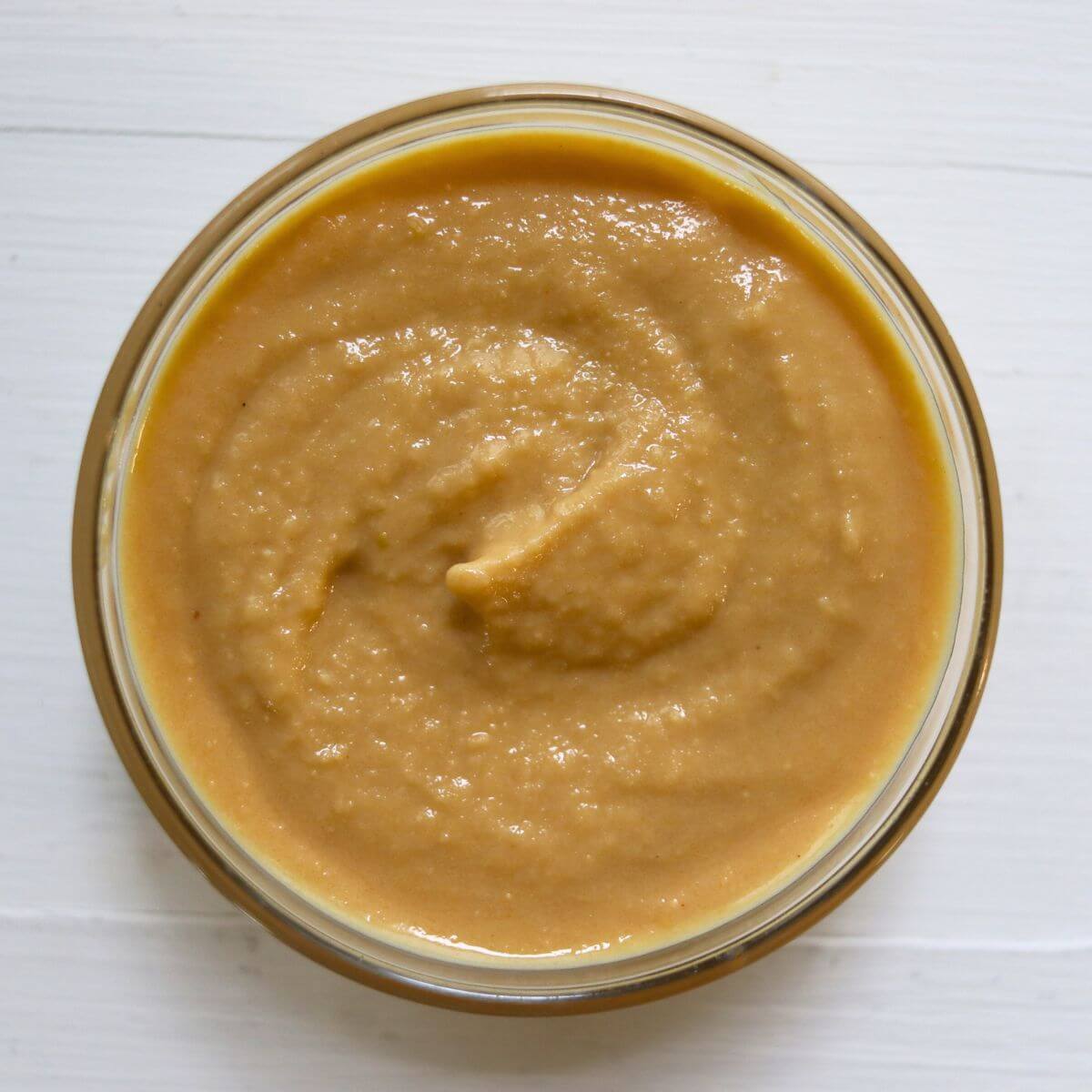
Homemade Dijon Mustard
Ingredients
- 1/3 cup dry white wine
- 3 tablespoons white wine vinegar
- 2 tablespoons water
- 2 tabelspoons finely chopped yellow onion
- 1 large garlic clove pressed
- 1/2 teaspoon honey
- 1/4 cup ground mustard powder
- 1/2 teaspoon salt
Instructions
- Combine the wine, vinegar, water, onion, and garlic in a small saucepan. Bring to a gentle simmer and simmer for 5 minutes.
- Strain out and discard the onion and garlic, reserving the liquid. Stir the honey into the warm liquid until dissolved.
- Allow the liquid to cool to lukewarm.
- Whisk the ground mustard and salt together in a small bowl.
- Sift the ground mustard mixture into the liquid a little at a time, whisking thoroughly after each addition until smooth and fully combined.
- Return the saucepan to low heat. Cook, stirring regularly, until the homemade Dijon mustard has reduced to just shy of the desired consistency. Do not cook it to its final thickness; it will continue to thicken as it cools and rests.
- Remove from the heat and cool completely to room temperature. Transfer to a clean container, cover, and refrigerate for at least 8 hours before using. For the best flavor and consistency, refrigerate for 24 hours before serving.
Notes
- Use a dry white wine that you enjoy drinking; avoid cooking wine and sweet varieties.
- Fresh ground mustard will give the finished Dijon a stronger, more pronounced mustard flavor than an older container that has been sitting in the pantry.
- If the mustard tastes too sharp after it has rested, stir in a little additional honey, adding it gradually to taste.
- This is intentionally a small-batch recipe. It can be doubled, but avoid increasing it further because the longer reduction time can cause the mustard to develop a bitter flavor.
Nutrition
Nutrition information is automatically calculated, so should only be used as an approximation.