How To Freeze Carrots (Complete Guide)

Learning how to freeze carrots is an easy way to preserve their flavor and make good use of a plentiful harvest or farmers market haul. With the right preparation, frozen carrots keep their quality well and are ready to use in your favorite cooked dishes throughout the year.
And if you’re stocking your freezer with more than just carrots, I’ve got easy guides for that too. You can learn how to freeze acorn squash, how to freeze lemon juice, how to freeze bok choy, how to freeze celery, and how to freeze onions so nothing in your kitchen goes to waste.
Carrots are one of those vegetables I like to keep on hand, but I often find that I don’t need a whole bunch at once. The problem is, that’s how fresh carrots are commonly sold. Freezing the ones I won’t use right away is a simple way to prevent food waste and make sure they don’t sit in the refrigerator until they’re past their prime.
Freezing carrots also gives you the freedom to take advantage of a good buy when you find one. You can stock up when carrots are in season, plentiful at the farmers market, or offered at a particularly good price without worrying about using them all before they spoil. And there’s something to be said for the convenience of having carrots on hand whenever you need them too.
Preparing carrots for freezing
Start with fresh, firm carrots that are free from soft spots or signs of deterioration. Wash them thoroughly under cool running water to remove any soil, then trim off the tops and root ends. Peel the carrots if you prefer them peeled.
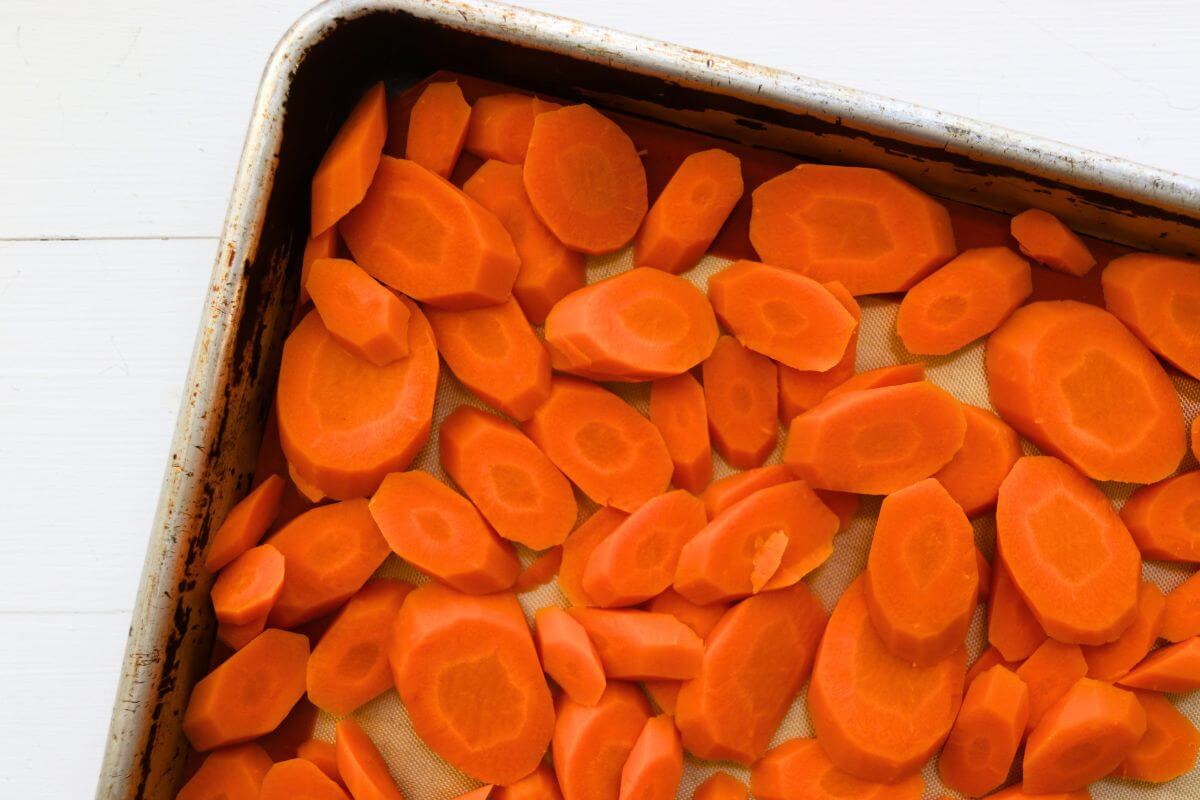
For sliced carrots, cut them into rounds about 1/4 inch thick. I like to make diagonal cuts rather than cutting straight across the carrot. You still get consistent 1/4-inch slices, but the diagonal cut creates slightly larger, more attractive pieces.
Carrots can also be shredded before freezing. Prepare them as you would for slicing, then shred them using the large holes of a box grater or the shredding disk on a food processor.
Whichever cut you choose, decide how you are most likely to use the carrots later and prepare them accordingly. The shape and size you choose now should match the kinds of recipes you expect to make with them later.
The blanching method
Shredded carrots do not need to be blanched before freezing, but sliced carrots benefit from this extra step. Blanching is the best method when you want to maintain their quality during longer freezer storage. Brief exposure to boiling water slows the enzyme activity that can cause changes in flavor, color, and texture over time. It also helps prevent frozen carrots from developing an unpleasant rubbery texture.
Bring a large pot of water to a full rolling boil. Lower the prepared carrot slices into the water and begin timing as soon as the water returns to a boil. Blanch carrot slices for 2 minutes.
Immediately transfer the carrots to a large bowl of ice water to stop the cooking process. Leave them in the ice water for about the same amount of time they were blanched, then drain them thoroughly.
Spread the drained carrots in a single layer on a clean flour sack towel and gently blot away excess moisture. Arrange them in a single layer on a silicone-lined baking sheet and place the sheet in the freezer until the carrots are frozen solid. Once frozen, transfer them to a freezer-safe container or bag and return them to the freezer, removing as much air as possible before sealing.
Would you like to save this post for later?
Freezing without blanching
You can freeze carrots without blanching them first, although their quality will decline more quickly in the freezer than it will with blanched carrots. Skipping the blanching step is best when you plan to use the carrots within a shorter period of time and don’t mind some loss of texture as they are stored.
To freeze raw carrot slices, spread them in a single layer on a parchment-lined baking sheet. Freeze until solid, then transfer them to a freezer-safe bag or container and return them to the freezer, removing as much air as possible before sealing.
Shredded carrots are best divided into portions before freezing because the fine shreds are likely to stick together over time, even if they are frozen individually on a lined baking sheet first. Measure them into amounts that make sense for the recipes you typically prepare, place each portion in a freezer-safe bag or container, and remove as much air as possible before sealing and returning to the freezer.
Freezing cooked carrots
Cooked carrots can be frozen, making this a useful option when you have leftovers or have prepared more than you need.
Allow cooked carrots to cool completely before packaging them. If they were cooked in a sauce or glaze that you want to keep, freeze the carrots along with it.
Divide the carrots into portions based on how much you are likely to use at one time. Leave a small amount of headspace in rigid containers, or remove as much air as possible from freezer bags before sealing.
Keep in mind that freezing will soften cooked carrots further. Carrots that are already very soft when frozen are likely to have a noticeably softer texture once thawed, so carrots cooked just until tender generally freeze better than those that have been heavily cooked.
Storage life
Proper packaging is important for maintaining the quality of frozen carrots. Use freezer-safe bags or airtight freezer containers, and remove as much air as possible from bags before sealing. Exposure to air encourages freezer burn, which can dry out the surface of the carrots and affect their flavor and texture.
Label each package with the contents and the date it was frozen so you can easily keep track of how long it has been stored. Keep frozen carrots at 0°F (-18°C) or below.
For the best quality, use blanched carrots within 10 to 12 months. Carrots frozen without blanching are best used within about 2 to 3 months because their quality deteriorates more quickly. Cooked carrots are best used within about 2 to 3 months as well.
Thawing frozen carrots
Frozen carrots — whether sliced, shredded, or previously cooked — often don’t need to be thawed before using them. When the recipe allows, they can go directly from the freezer into the dish, which also helps limit the additional softening that can occur during thawing.
When you do need to thaw frozen carrots, place them in the refrigerator overnight. For a faster option, keep them in a sealed, leakproof freezer bag and submerge the bag in cold water, changing the water every 30 minutes until the carrots are thawed. Drain any moisture released during thawing before using them.
If you are working with shredded carrots, gently press out excess moisture after thawing when that additional liquid could affect the finished recipe.
Cooking with thawed carrots
One of the biggest advantages of keeping frozen carrots on hand is convenience. They’re already prepared when you need them, and for many cooked dishes you can simply take out the amount you want and add them to the recipe.
The important thing is to expect a change in texture. Freezing affects the cell structure of carrots, so they won’t have the same crisp bite as fresh carrots once thawed. That makes frozen carrots better suited to cooked dishes than recipes where the firm, crunchy texture of a fresh carrot is an important part of the finished dish.
Frozen sliced carrots are particularly useful in soups and stews. Add them to pork chop stew made from scratch, homemade red cabbage soup, or classic yellow split pea soup. They’re also a natural fit for hearty dishes such as cottage pie skillet, homemade Cajun smothered chicken, and chicken and noodles from scratch.
They work well in casseroles, pot pies, pureed soups, mashed carrot dishes, sauces, gravies, and fillings for savory meat hand pies. Previously cooked carrots can also be reheated and served as a side dish, although you should expect them to be softer than they were before freezing.
Shredded frozen carrots are useful for baked goods, including homemade carrot muffins, carrot cake, and quick breads.
For salads, slaws, crudités, and other dishes that depend on the crisp texture of raw carrots, fresh carrots are the better choice.