How To Freeze Bell Peppers (Raw or Roasted)

Learning how to freeze bell peppers is a great way to preserve an abundant garden harvest or take advantage of a good deal at the farmers market. It’s a simple process that keeps these colorful peppers ready to use in your favorite recipes throughout the year.
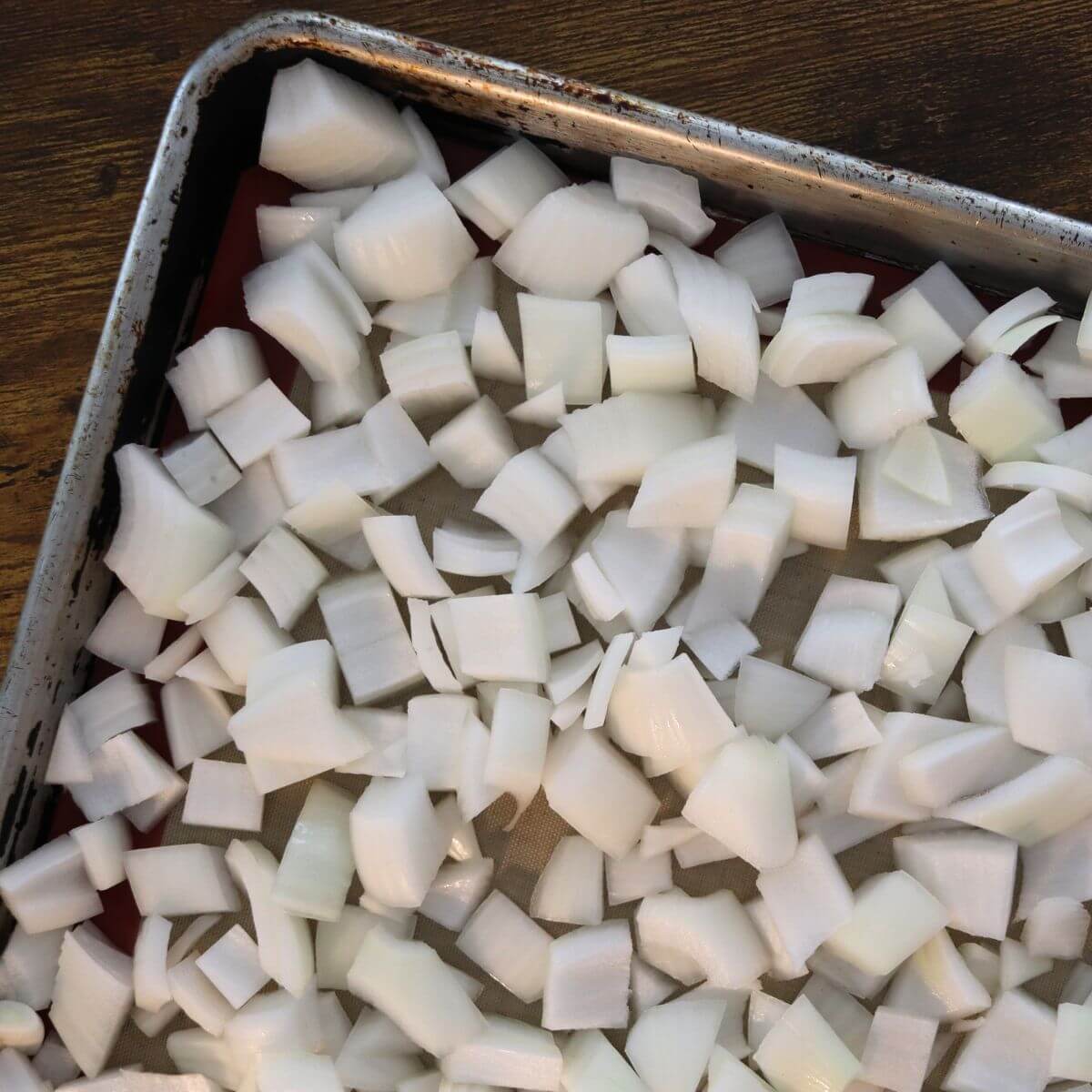
If you’re looking for more ways to freeze produce for long-term storage, you can check out my posts on how to freeze green onions, freezing carrots for winter, freezing fresh celery at home, and freezing onions for long term storage.
Bell peppers are one of those vegetables I like to keep on hand because I use them in so many different dishes. Fortunately, they freeze beautifully without blanching, making them one of the easiest vegetables to preserve. This step-by-step guide covers everything you need to know about freezing fresh bell peppers, from preparing them for the freezer to storing them properly for long-term use.
How to freeze raw bell peppers
Freezing raw bell peppers requires very little preparation, and you can preserve them whole, halved, sliced, or diced. I recommend choosing the sizes you use most often in your cooking. This makes it easy to take them straight from the freezer and add them to your recipes.
Begin by washing the peppers under cool running water. Dry them thoroughly with a clean kitchen towel to remove excess moisture, which can contribute to ice crystal formation during freezing.
Next, remove the stems, seeds, and white membranes.
- For whole bell peppers: Cut around the stem and carefully pull it out. Scoop out the seeds and scrape away the white membranes with a spoon. A grapefruit spoon works particularly well because its serrated edge makes it easier to remove the membranes.
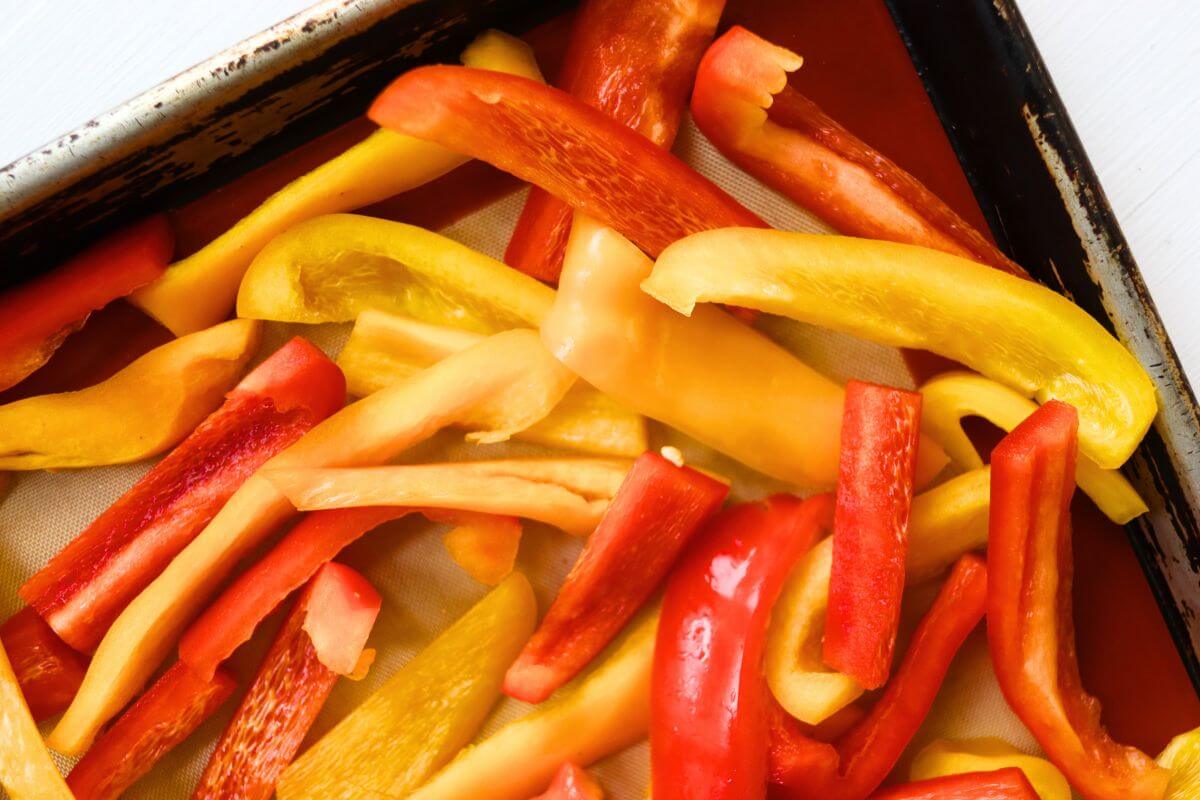
- For halved, sliced, or diced bell peppers: Remove the stem and cut each pepper in half lengthwise. Trim away the white membranes and remove the seeds. Leave the halves as they are, slice them into strips, or dice them into your preferred size.
Spread the prepared peppers in a single layer on a silicone-lined baking sheet and place them in the freezer for 1 to 2 hours, or until firm. This optional flash-freezing step keeps the pieces from sticking together, allowing you to remove individual portions as needed.
Once the peppers are frozen, transfer them to freezer-safe bags or airtight containers. Press out as much air as possible, seal tightly, and label each package with the date before returning it to the freezer.
Do I have to blanch my bell peppers before freezing them?
No, bell peppers do not need to be blanched before freezing. They hold up well in the freezer without this extra step, saving you time and effort when preserving them.
Blanching helps slow the natural enzyme activity that can gradually affect the color, flavor, and texture of vegetables during storage. But bell peppers freeze well without it and retain plenty of flavor for use in soups, stews, stir-fries, casseroles, and other cooked dishes.
Keep in mind that freezing changes the texture of bell peppers, causing them to soften when thawed. For this reason, they’re better suited to cooked recipes than dishes that depend on the crunch of fresh peppers.
How to freeze roasted bell peppers
Roasted bell peppers freeze very well, making it easy to have their sweet, smoky flavor available whenever you need it. They’re a great addition to sauces, soups, pasta dishes, and plenty of other recipes.
Start by roasting the peppers under the broiler, on a grill, or directly over the flame of a gas burner. Turn them every few minutes until the skins are blistered and blackened on all sides. The goal is to char the skins while keeping the flesh underneath relatively firm.
Transfer the roasted peppers to a bowl and cover it, or place them in a paper bag for 10 to 15 minutes. The trapped steam will loosen the skins, making them easier to peel away.
Once the peppers are cool enough to handle, gently remove the charred skins with your fingers or a paper towel. It’s fine if a few small pieces of skin remain. Avoid rinsing the peppers under running water, as this can wash away some of their roasted flavor.
Remove the stems, seeds, and white membranes. Leave the peppers whole, cut them in half, or slice or dice them to suit your cooking needs.
Arrange the prepared peppers in a single layer on a silicone-lined baking sheet and freeze for 1 to 2 hours, or until firm. This optional flash-freezing step keeps the peppers from sticking together during storage.
Transfer the frozen peppers to freezer-safe bags or airtight containers. Remove as much air as possible, seal tightly, and label each package with the date before returning it to the freezer.
How to prevent freezer burn
Proper storage is essential for protecting frozen bell peppers from freezer burn. When frozen food is exposed to air, moisture gradually escapes from its surface, leaving dry, discolored patches that can negatively affect its flavor and texture.
The best way to minimize this is to limit the amount of air surrounding the peppers. Press excess air out of freezer bags before sealing them. If you’re using airtight containers, choose ones that fit the quantity of peppers you’re freezing without leaving too much empty space.
For the best quality, use your frozen bell peppers within 8 to 12 months. While they can remain safe to eat longer when continuously stored at 0°F (-18°C), their flavor and texture may gradually deteriorate over time.
Thawing frozen bell peppers
Frozen bell peppers generally don’t need to be thawed before cooking. You can use them straight from the freezer, saving yourself an extra step when preparing meals. They’ll thaw quickly as they heat.
If you prefer to thaw them first, place the amount you need in a covered container in the refrigerator until thawed. Drain off any liquid that collects, and pat the peppers dry if necessary.
Remember that freezing changes the texture of bell peppers. Once thawed, they’ll be softer than fresh peppers and may release additional moisture during cooking.
Cooking with frozen bell peppers
Frozen bell peppers are incredibly versatile in the kitchen. They work particularly well in cooked dishes where their softer texture isn’t an issue. You can use them in place of fresh bell peppers in most cooked recipes, making them a great ingredient to have tucked away in the freezer.
They’re particularly good in breakfast dishes. Try using them in my classic Western egg casserole, from scratch Denver breakfast skillet, or homemade steak fajita omelet. These are all great ways to put your frozen peppers to use when making a hearty breakfast.
For lunch or dinner, use them in my Louisiana style smothered chicken or from scratch sausage and pepper soup. They’re also a great addition to homemade pasta sauces, skillet meals, rice dishes, and hearty stews.
Other posts you’ll love
Freezing Lemon Juice: Everything You Need to Know
How to Freeze Acorn Squash (Raw or Roasted)
How To Freeze Bok Choy (Complete Guide)
How To Freeze Grapefruit: Juice, Zest, Segments, and Whole Fruit
How to Freeze Poblano Peppers (Raw or Roasted)
How To Freeze Chicken Broth || Storing Homemade Broth