How To Freeze Celery (Complete Guide)

Learning how to freeze celery is an easy way to make the most of a bunch before it spoils. With the right preparation, you can keep chopped celery ready for soups, stews, casseroles, stocks, and other cooked recipes.
And if you’re stocking your freezer with more than just celery, I’ve got easy guides for that too. You can learn how to freeze acorn squash, how to freeze grapefruit, how to freeze lemon juice, how to freeze bok choy, and how to freeze poblano peppers so nothing from your market haul goes to waste.
I use celery in quite a few recipes, and I can’t imagine making them without it. It may not be the main ingredient, but it contributes an important layer of flavor. The problem is that celery is sold by the bunch, while most recipes call for only a few stalks. I was tired of throwing away nearly full bunches that had been forgotten in the refrigerator, so I learned to freeze the extra. Today, I’ll walk you through the process step by step.
Whether you have celery left from a recipe or more than you can use from the garden, freezing it helps prevent waste. You’ll learn how to prepare it, freeze it with or without blanching, store it properly, thaw it when necessary, and use it successfully after freezing.
Preparing celery for freezing
Taking a few minutes to prepare celery properly before freezing will help you get the best results. Choose fresh, firm stalks with a crisp texture and bright green color. Celery that is limp or beginning to spoil won’t improve in the freezer.
Separate the stalks and rinse them thoroughly under cool running water to remove any dirt trapped in the ribs. If necessary, gently scrub stubborn dirt with a vegetable brush.
Trim away the root end, remove the leaves, and cut away any bruised or damaged areas, tough strings, white portions near the base, or discolored spots.
Finally, chop the celery into the size you’ll use most often. Freezing it already chopped saves time during meal preparation, takes up less freezer space, and makes it easy to grab exactly the amount you need without thawing the entire batch.
The blanching method
Blanching is recommended if you want the best long-term results. Briefly boiling the celery before freezing helps preserve its color, flavor, texture, and overall quality during freezer storage.
Bring a large pot of water to a rolling boil while preparing a large bowl of ice water. Add the chopped celery to the boiling water and blanch for 1 to 2 minutes. Immediately transfer the celery to the ice bath to stop the cooking process.
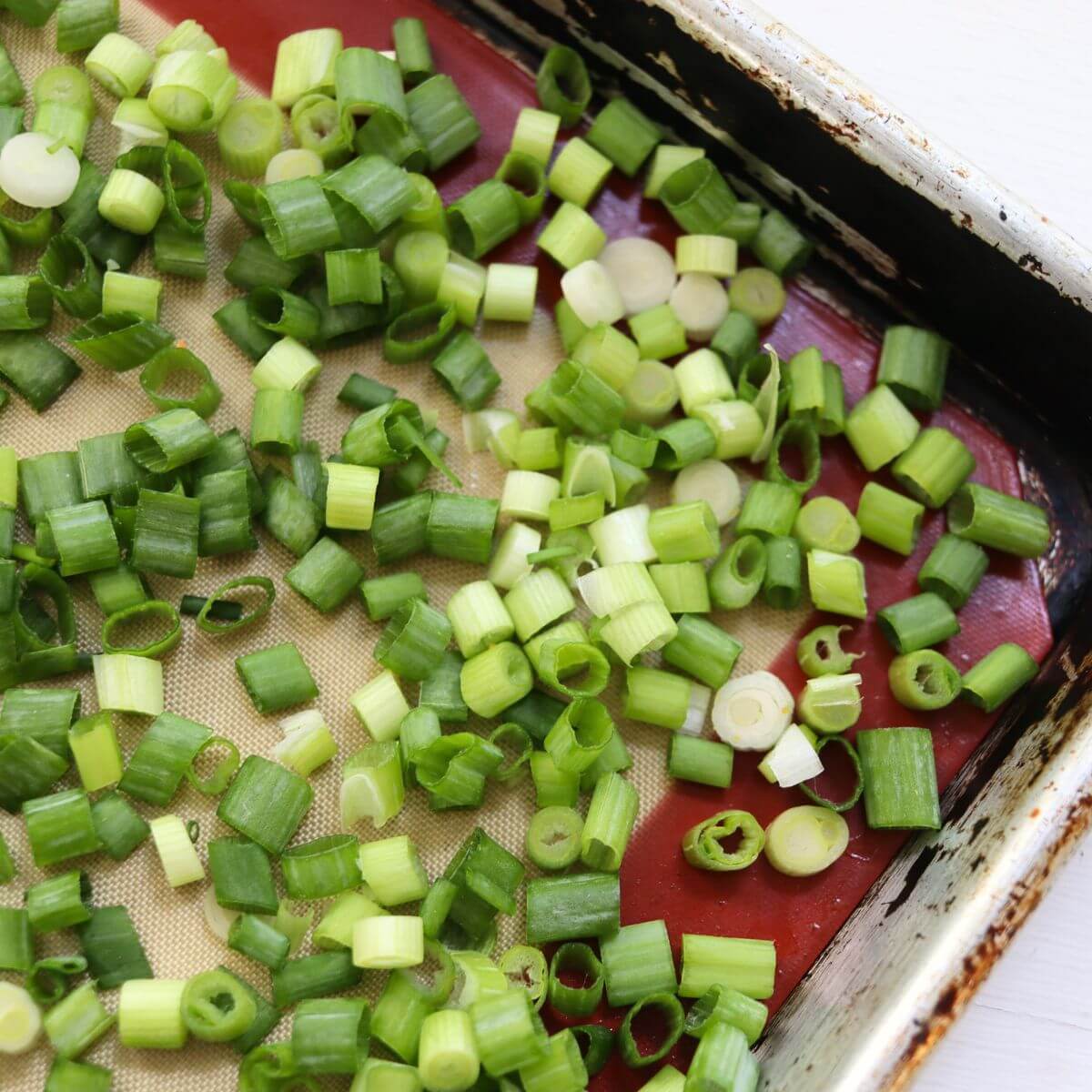
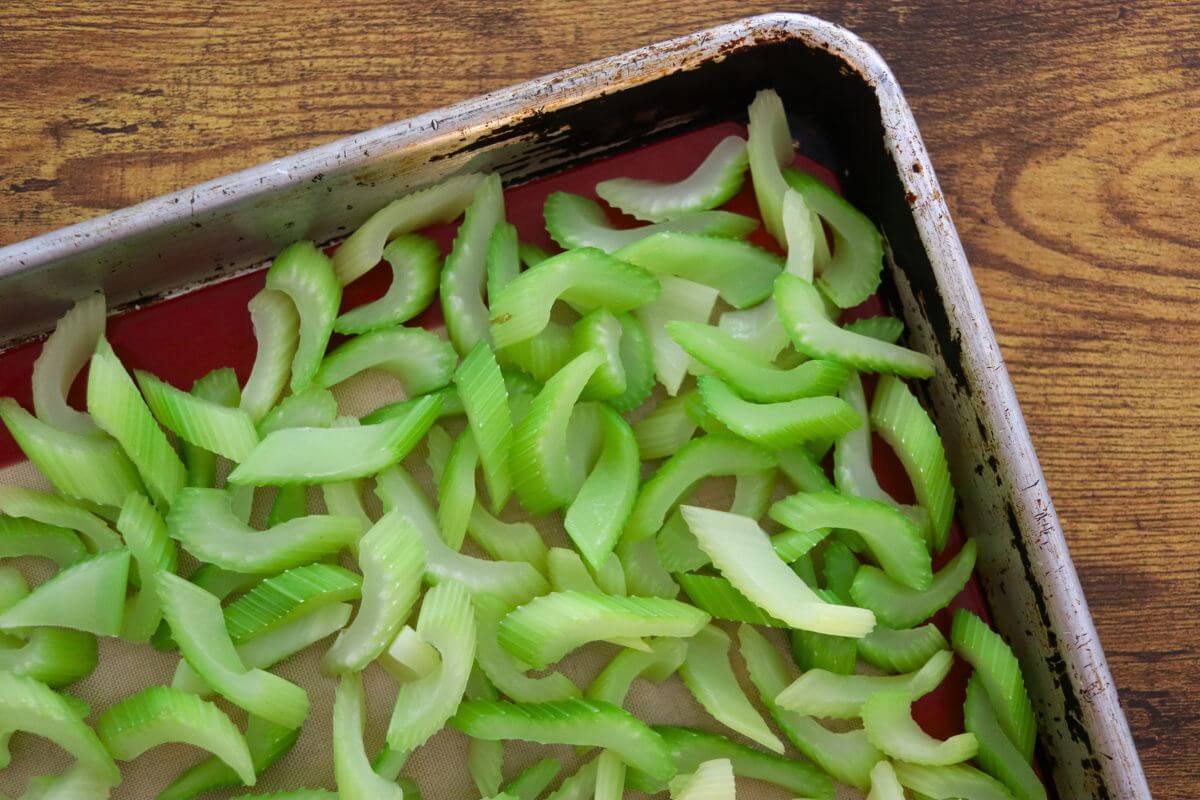
Once the celery has cooled completely, drain it well and pat it dry with a clean kitchen towel or paper towels. Spread the pieces in a single layer on a parchment-lined baking sheet and freeze until completely frozen. Freezing the celery in a single layer keeps the pieces from freezing together in one large clump, making it easier to remove only what you need later.
Transfer the frozen celery to airtight freezer bags or freezer-safe containers, removing as much air as possible before sealing.
Would you like to save this post for later?
Freezing without blanching
If you plan to use your frozen celery within two months, you can skip the blanching step and freeze it fresh instead. This method is quicker and works well when you want to preserve celery with minimal preparation.
After preparing the celery, pat it completely dry with a clean kitchen towel or paper towels. Arrange the pieces in a single layer on a parchment-lined baking sheet and freeze until completely frozen. Freezing the celery in a single layer prevents the pieces from sticking together, making it easy to remove only what you need.
Transfer the frozen celery to airtight freezer bags or freezer-safe containers, pressing out as much air as possible before sealing.
Storage life
Label each freezer bag or container with the date before placing it in the freezer. This makes it easy to keep track of how long the celery has been frozen and ensures you use the oldest packages first.
Blanched celery will keep for about one year or longer when properly stored in the freezer. If you skip the blanching step, plan to use the celery within two months for the best flavor, texture, and overall quality.
Thawing frozen celery
Frozen celery doesn’t need to be thawed before cooking. In most recipes, you can add it straight from the freezer.
If you do need to thaw it, place the celery in the refrigerator overnight or thaw the sealed bag in cold water. Once thawed, drain away any excess moisture before adding it to your recipe.
Cooking with thawed celery
Freezing changes the texture of celery, so it loses the crispness that makes it enjoyable raw. The flavor stays much the same, but the softer celery isn’t a good choice for salads, relish trays, garnishes, or other fresh preparations.
Instead, use frozen celery in cooked dishes where its softened texture won’t be noticeable. It’s an excellent addition to soups like homemade French celery soup and classic red cabbage soup, as well as stews, casseroles, sauces, stocks, and stir-fries. It’s also perfect for recipes like Southern Cajun smothered chicken, where celery is cooked until tender as part of the flavor base.
Thawed celery can also be blended into smoothies or juices or stirred into creamy dips where texture is less important.