
How To Freeze Grapefruit: Juice, Zest, Segments, and Whole Fruit

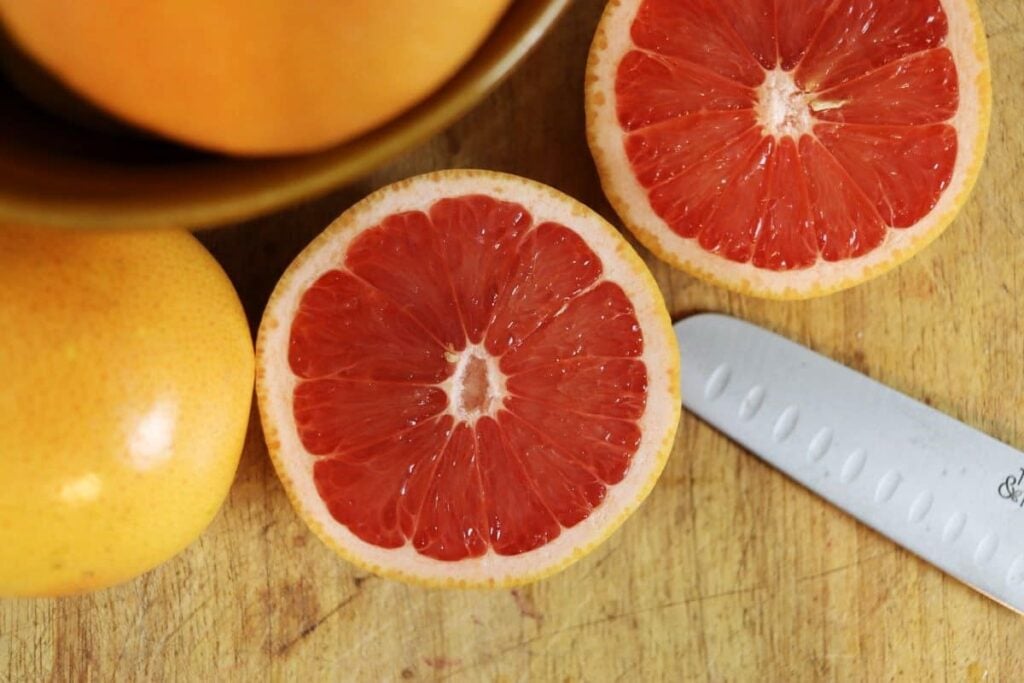
Learning how to freeze grapefruit is an easy way to make the most of fresh citrus while it’s plentiful and keep its bright, tangy flavor on hand for later. In this post, I’ll show you how to freeze grapefruit juice, zest, segments, and whole fruit, along with the best ways to thaw and use each one.
If you’re looking for more ways to freeze produce for long-term storage, you can check out my posts on how to freeze green onions, how to freeze onions, how to freeze celery, and how to freeze acorn squash.
I love taking advantage of fresh food when it’s in season, and I don’t like seeing good food go to waste. Freezing grapefruit is one of the easiest ways to preserve an abundance of fresh fruit, and it’s just as useful when you have a single grapefruit or a small amount left that you know you won’t use before it spoils.
I also love having grapefruit tucked away in the freezer so I can reach for it whenever I need it in the kitchen. Freezing does change the texture of the fruit, so thawed grapefruit isn’t ideal for eating as you would fresh fruit. But with so many other ways to use it, it’s still well worth preserving.
Freezing grapefruit juice
Grapefruit juice freezes very well and is one of the most practical ways to preserve grapefruit when you don’t need the flesh. Start with ripe, fresh grapefruit and cut the fruit in half. Juice the grapefruit with a citrus reamer, handheld juicer, or citrus press, then strain out the seeds. You can leave the pulp in the juice or strain it out, depending on your preference.
For small portions, pour the grapefruit juice into ice cube trays, leaving a little room at the top for expansion. Freeze until solid, then transfer the cubes to an airtight freezer container or freezer bag. This makes it easy to remove only as much juice as you need at a time. If you typically use larger amounts, pour the juice directly into freezer-safe containers instead, leaving about 1/2 inch of headspace to allow the liquid to expand as it freezes.
For the best flavor and quality, use frozen grapefruit juice within 3 to 4 months.
Freezing grapefruit zest
Freezing is a great way to preserve the fragrant oils in the peel of the fruit. Wash and thoroughly dry the grapefruit before zesting it. Use a fine grater or microplane to remove only the thin, colored outer layer of the peel, avoiding the bitter white pith underneath.
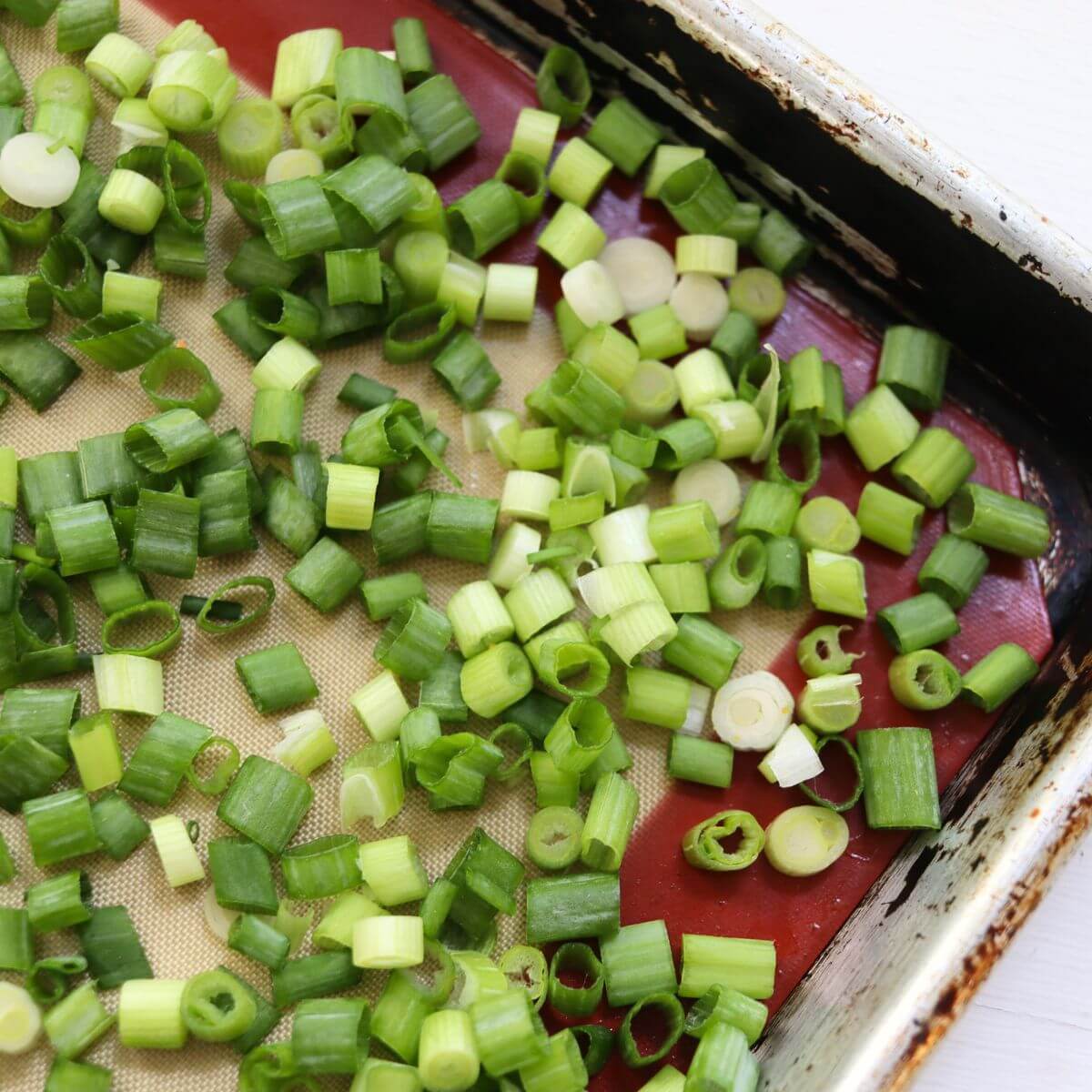
Spread the zest in a thin layer on a silicone-lined tray and freeze until firm. Transfer the frozen zest to a small freezer-safe container or freezer bag. Freezing it separately before packaging keeps it loose, making it easy to take out just the amount you need.
You can also freeze pieces of grapefruit peel and zest them later. Cut the peel into manageable sections, freeze the pieces on a silicone-lined tray, and then transfer them to a freezer-safe container or bag. When you need zest, grate the peel while it is still frozen or just beginning to thaw; fully thawed peel becomes softer and is more difficult to zest.
For the best flavor and aroma, use frozen grapefruit zest or peel within 3 to 6 months.
Would you like to save this post for later?
Freezing grapefruit sections
Freezing grapefruit segments gives you individual pieces of fruit that are easy to portion straight from the freezer. Start by removing the peel and as much of the white pith as possible. Separate the grapefruit into individual segments, remove any seeds, and peel away the membrane from each segment. Let the segments drain briefly so excess moisture doesn’t freeze around them.
Arrange the grapefruit segments in a single layer on a silicone-lined tray, leaving a little space between them so they freeze individually. Place the tray in the freezer until the segments are completely frozen, then transfer them to a freezer-safe container or bag. This initial tray-freezing step prevents the segments from freezing together into one solid mass, allowing you to remove as many or as few as you need.
For the best quality, use frozen grapefruit segments within 3 to 4 months.
Freezing whole grapefruit
You can freeze whole grapefruit, although preparing the fruit as segments or preserving the peel separately is generally more practical. While freezing it whole is sometimes recommended when you’re short on time, preparing a grapefruit for the freezer takes only a few additional minutes. And you’ll still need to peel and prepare the fruit after it comes out of the freezer, so the convenience is limited.
If you want to freeze grapefruit whole, choose firm fruit without soft spots or damaged areas. Wash the grapefruit thoroughly and dry it completely. Place the whole fruit in a freezer-safe bag, remove as much excess air as possible, and freeze.
For the best quality, use whole frozen grapefruit within 3 to 4 months.
Top tips
- Start with good-quality grapefruit: Freezing preserves the fruit you start with; it won’t improve grapefruit that is already drying out, overly soft, or beginning to spoil.
- Label and date everything: Include what you froze as well as the date, particularly when storing juice, zest, and segments in separate packages.
- Protect grapefruit from air: Use airtight freezer-safe containers or sturdy freezer bags, removing as much excess air as practical before sealing. This helps prevent freezer burn, moisture loss, and absorption of freezer odors.
- Freeze in useful portions: Think about the amounts you typically need before packaging grapefruit. Smaller portions allow you to take out only what you need without disturbing the rest of the batch.
- Keep your freezer at 0°F (-18°C) or below: A consistently cold freezer helps maintain the best quality during storage.
- Use the oldest grapefruit first: Rotate newly frozen grapefruit behind older packages so the fruit that has been stored longest gets used first.
Thawing
The best way to thaw grapefruit depends on whether you froze the juice, zest, segments, or whole fruit. In most cases, slow thawing in the refrigerator gives you the most control and keeps the fruit safely chilled.
Grapefruit juice: Thaw frozen juice in a covered container in the refrigerator. Small frozen portions will thaw much faster than a larger container. Once thawed, stir the juice well before using, as some separation is normal.
Grapefruit zest: There is usually no need to thaw zest before using it. Measure out what you need while it is still frozen and add it directly to your recipe. If you froze pieces of peel to zest later, grate them while frozen or just slightly thawed, before the peel becomes soft.
Grapefruit segments: Place the amount you need in a covered container and thaw it in the refrigerator. Drain off any liquid released during thawing if it isn’t needed for your recipe. For applications where completely thawed fruit isn’t necessary, you can also use the segments while they are still partially frozen.
Whole grapefruit: Thaw whole frozen grapefruit in the refrigerator until it is soft enough to peel. Once thawed, the fruit can be pulled apart into its natural sections, but expect the segments to be soft and more delicate than they were before freezing. A small, sharp knife can be helpful for separating the softened segments cleanly if they begin to tear or collapse when pulled apart.
There is no advantage to bringing the entire fruit to room temperature first; working with it while it is still chilled helps contain the juice and makes the softened fruit easier to handle.
Using thawed grapefruit
Frozen grapefruit is most useful when you choose recipes that take advantage of its bright citrus flavor without relying on the firm texture of fresh fruit. Juice and zest retain their versatility particularly well, while thawed segments and whole grapefruit are better suited to recipes where a softer texture isn’t a drawback.
Grapefruit juice: Use thawed juice in vinaigrettes, marinades, sauces, glazes, cocktails, mocktails, smoothies, sorbets, and other frozen desserts. It can also be used in baked goods that call for grapefruit juice. Stir thawed juice before measuring if it has separated.
Grapefruit zest: Frozen zest can be used anywhere you would ordinarily use fresh grapefruit zest. Add it to cakes, muffins, quick breads, cookies, frostings, glazes, vinaigrettes, marinades, sauces, and compound butter. Because the aromatic oils are concentrated in the zest, a small amount can add noticeable grapefruit flavor without adding extra liquid to a recipe.
Grapefruit segments: Thawed segments work best in preparations where their softened texture can become part of the dish. Use them in smoothies, sauces, compotes, fruit purées, sorbets, jams, or cooked desserts. They can also be chopped or crushed and incorporated into recipes rather than served as intact pieces of fresh fruit.
Whole grapefruit: Once thawed and peeled, use whole frozen grapefruit much as you would thawed segments. Separate or cut the softened fruit and use the flesh in smoothies, sauces, compotes, purées, frozen desserts, or other recipes where the grapefruit’s flavor is more important than its original texture. Any juice released as you prepare the fruit can be collected and used along with the flesh rather than discarded.
Other Posts You’ll Love
How To Freeze Carrots (Complete Guide)
Freezing Lemon Juice: Everything You Need to Know
How To Freeze Bok Choy (Complete Guide)
How to Freeze Poblano Peppers (Raw or Roasted)
How To Freeze Chicken Broth || Storing Homemade Broth
How To Freeze Bell Peppers (Raw or Roasted)
How to Store Chicken Broth Properly
Easy Salt Preserved Lemons Recipe
Freezing grapefruits is a fantastic way to preserve their sweet, tangy flavor and enjoy them long after the season ends! Whether you’re using them for smoothies or desserts, this method makes it so easy. If you try it, I’d love to hear how you use your frozen grapefruits — leave a comment below to share or ask any questions!