How To Cook Eggs To Order (Every Style Explained Clearly)
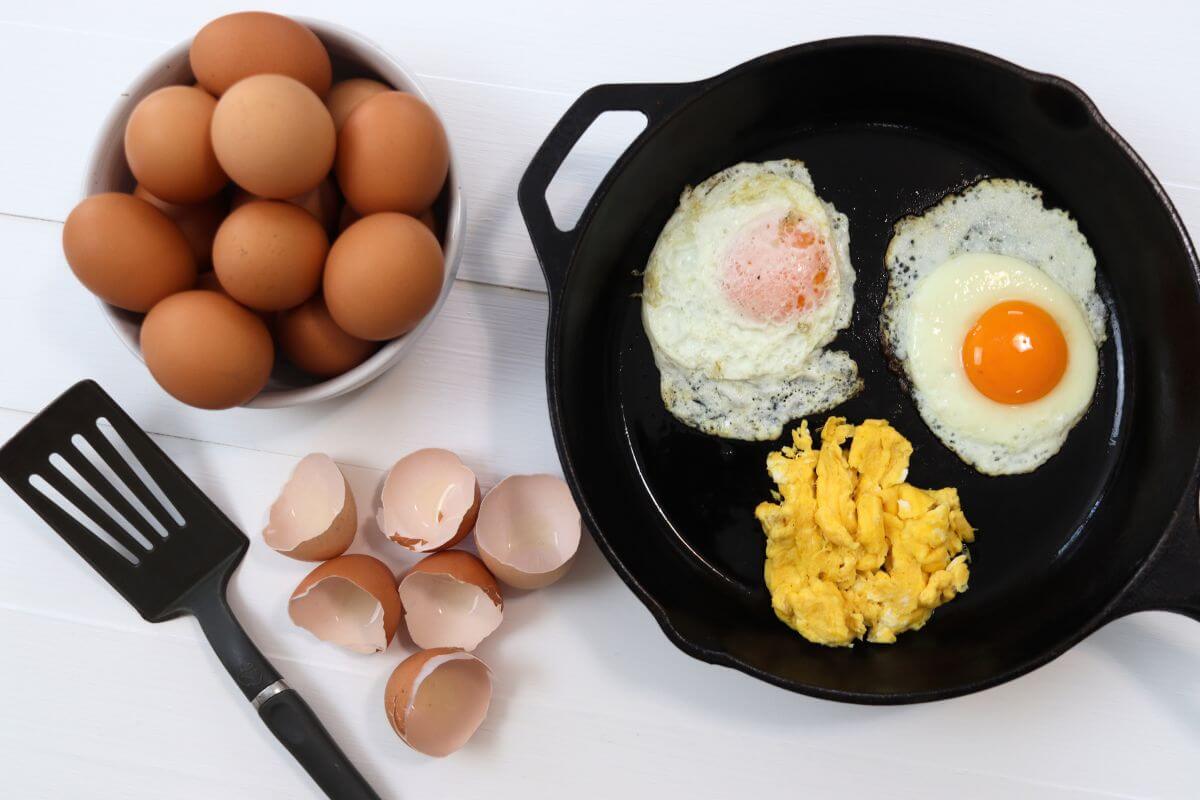
How to cook eggs to order is a skill that’s actually much easier to master than it sounds. The difficulty isn’t in making the eggs, it’s in knowing what each style actually is. This guide breaks it all down so you can order the style of eggs you prefer with confidence when you’re out — and make each of them the same way at home in your own kitchen.
Makin’ eggs easy for everyone
After years of taking breakfast orders in restaurants, one thing has become really clear — most people don’t actually know how to order the style of eggs they want. They think the kitchen cooked their eggs wrong when they arrive at the table, but in reality, they misunderstood what the egg style actually was when they ordered it.
Once you understand what defines each style and what it actually looks like, everything gets a lot simpler. In this post, I’m breaking down the common ways eggs are ordered in restaurants so you can get them the way you want them when you’re out. And I’m showing you how to make each style at home too, so you can cook your favorites at home in your own kitchen.
Over easy eggs
Over easy or over light — is there really a difference? No. There actually isn’t. They are exactly the same style egg called by two different names. And the defining characteristics of this style are that the egg is pan fried, flipped over to cook the top side, and served while the yolk is fully loose and the whites surrounding the yolk are loose as well.
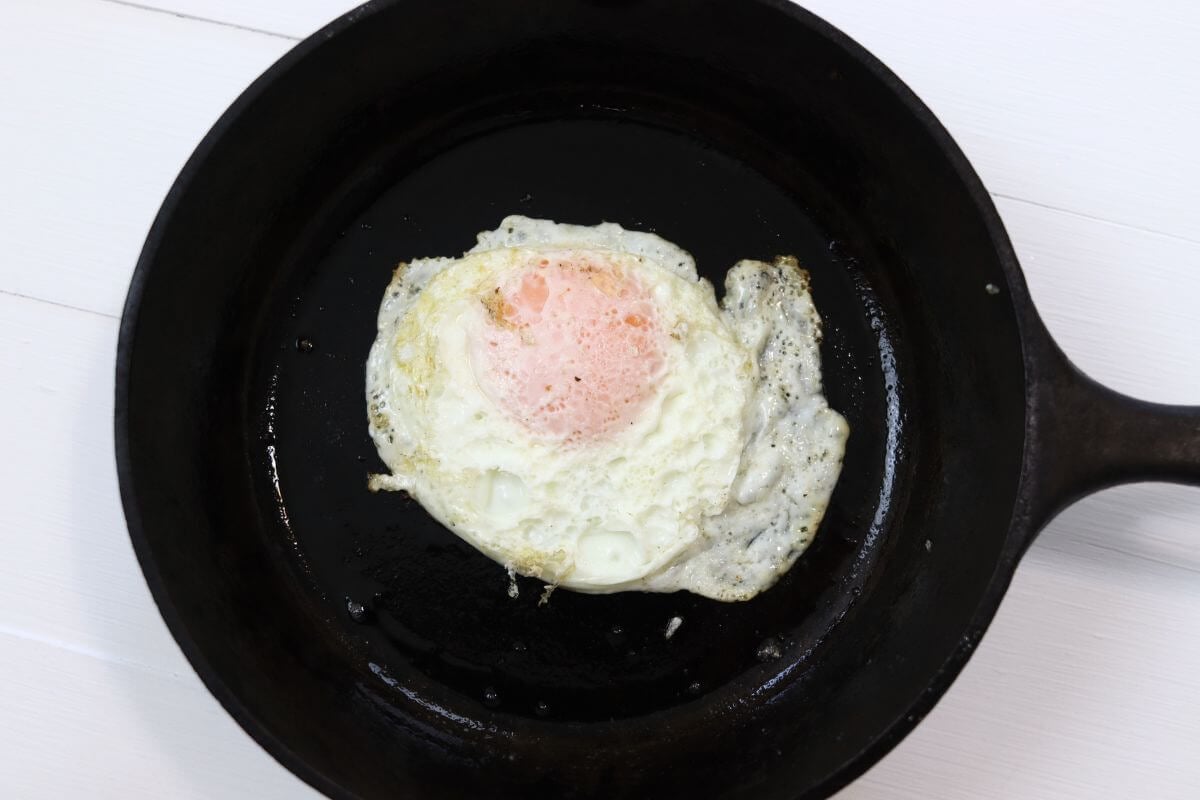
To cook an over easy egg, heat a small amount of butter or oil in a skillet over medium-low heat and crack the egg into the skillet. Let it cook just until the whites are set enough to hold together, then flip it as soon as it’s possible to do so. Cook for just a few seconds on the second side, then remove from the skillet while the yolk, and the whites surrounding it, are still runny.
If you’re looking for a recipe using over easy eggs to make at home, give my home fries and eggs recipe a try.
Over medium eggs
An over medium egg looks very similar to an over easy egg, which is why there is often confusion about which style to choose when ordering in a restaurant. It’s cooked the same way, with one key difference. The egg is fried and flipped, but it stays on the second side a little longer so the whites fully cook while the yolk remains loose.
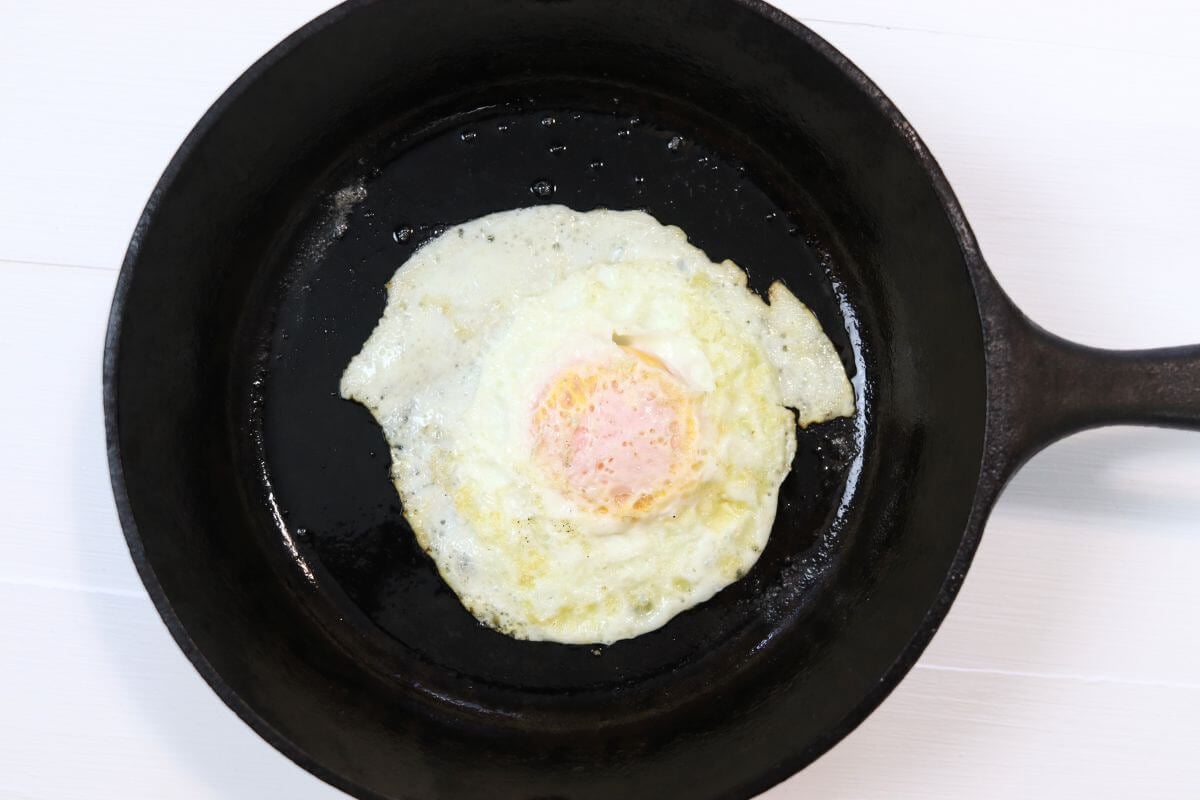
This style egg is often referred to as dippy by children. To cook an over medium (dippy) egg, heat a small amount of butter or oil in a skillet over medium-low heat and crack the egg into the skillet. Let it cook until the whites are firmly set, then flip it carefully to cook the other side. Continue cooking until the whites are fully set and no longer runny, while keeping the yolk loose. Remove from the skillet and serve right away.
If you’re looking for a recipe using over medium eggs to make at home, make a few slices of avocado toast and top them with this style egg.
Over well eggs
The over well egg is cooked all the way through — both the whites and the yolk are fully set. It’s often confused with an over hard egg, but there’s one clear difference. With an over well egg, the yolk is left intact, while an over hard egg has the yolk broken during cooking.
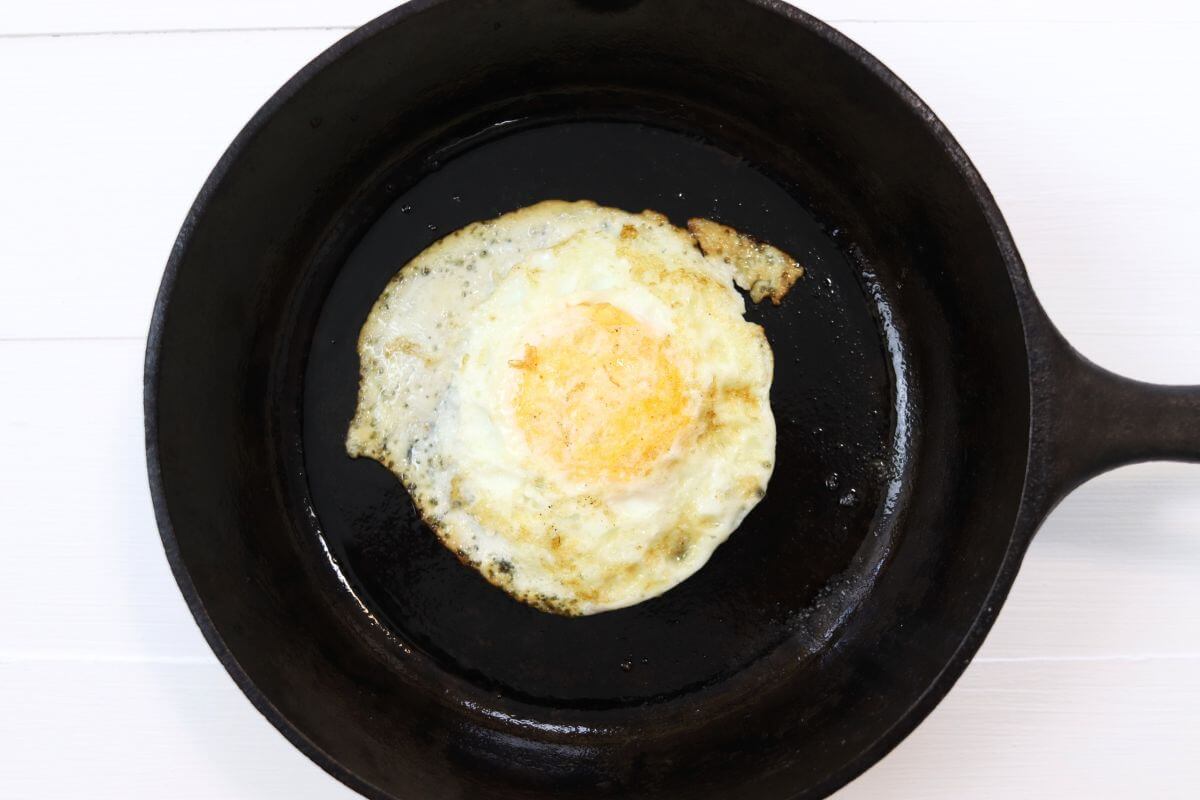
To cook an over well egg, heat a small amount of butter or oil in a skillet over medium-low heat and crack the egg into the skillet. Let it cook until the whites are fully set and firm, then flip it carefully to cook the other side without breaking the yolk. Continue cooking until the egg is fully set all the way through, including the yolk, then remove from the skillet and serve right away.
If you’re looking for a breakfast recipe using over well eggs to make at home, give my bacon and egg muffin sandwich recipe a try.
Over hard eggs
Over hard eggs are the preferred style for those who like their eggs fully cooked. The yolk is broken just after the egg is cracked into the skillet, allowing it to spread throughout the whites. This helps the egg cook evenly and makes it easier to ensure everything is fully set.
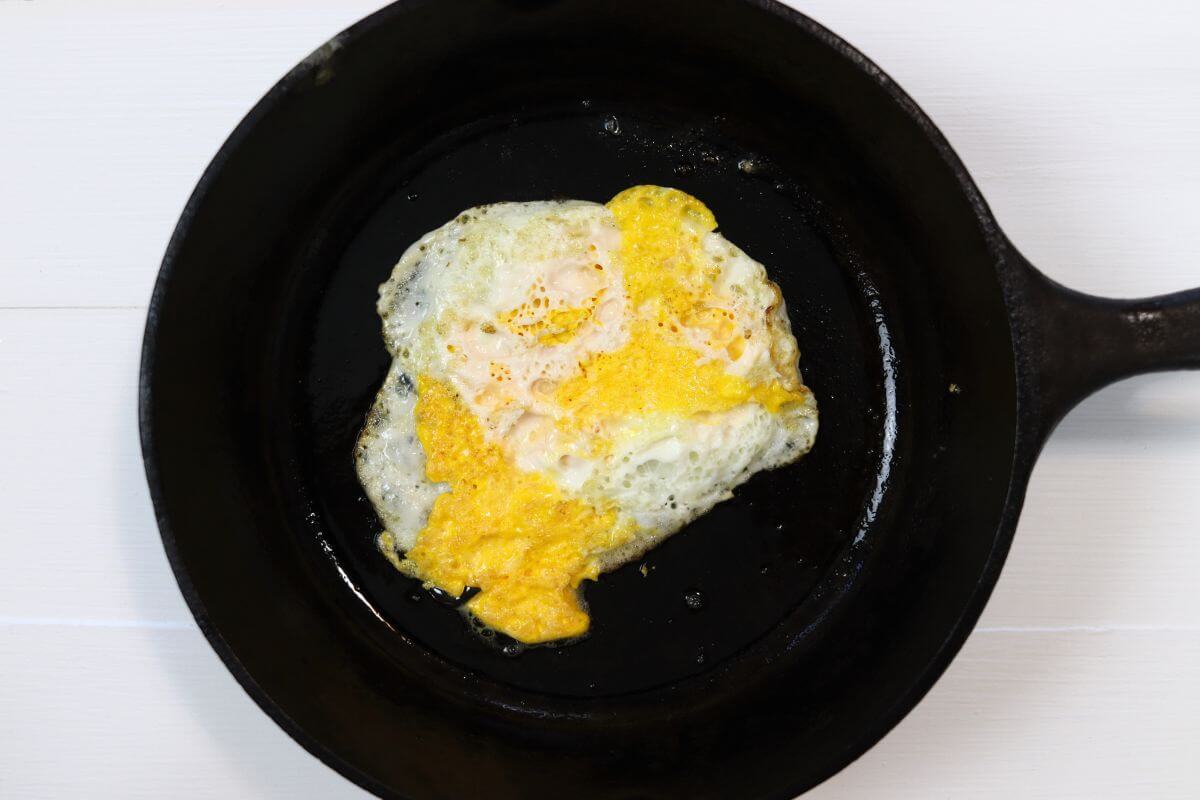
To cook an over hard egg, heat a small amount of butter or oil in a skillet over medium-low heat and crack the egg into the skillet. Break the yolk right away and let it spread into the whites, then cook until the bottom is set. Flip the egg once it can hold together and continue cooking until both sides are fully set and no part of the egg remains runny. Remove from the skillet and serve right away.
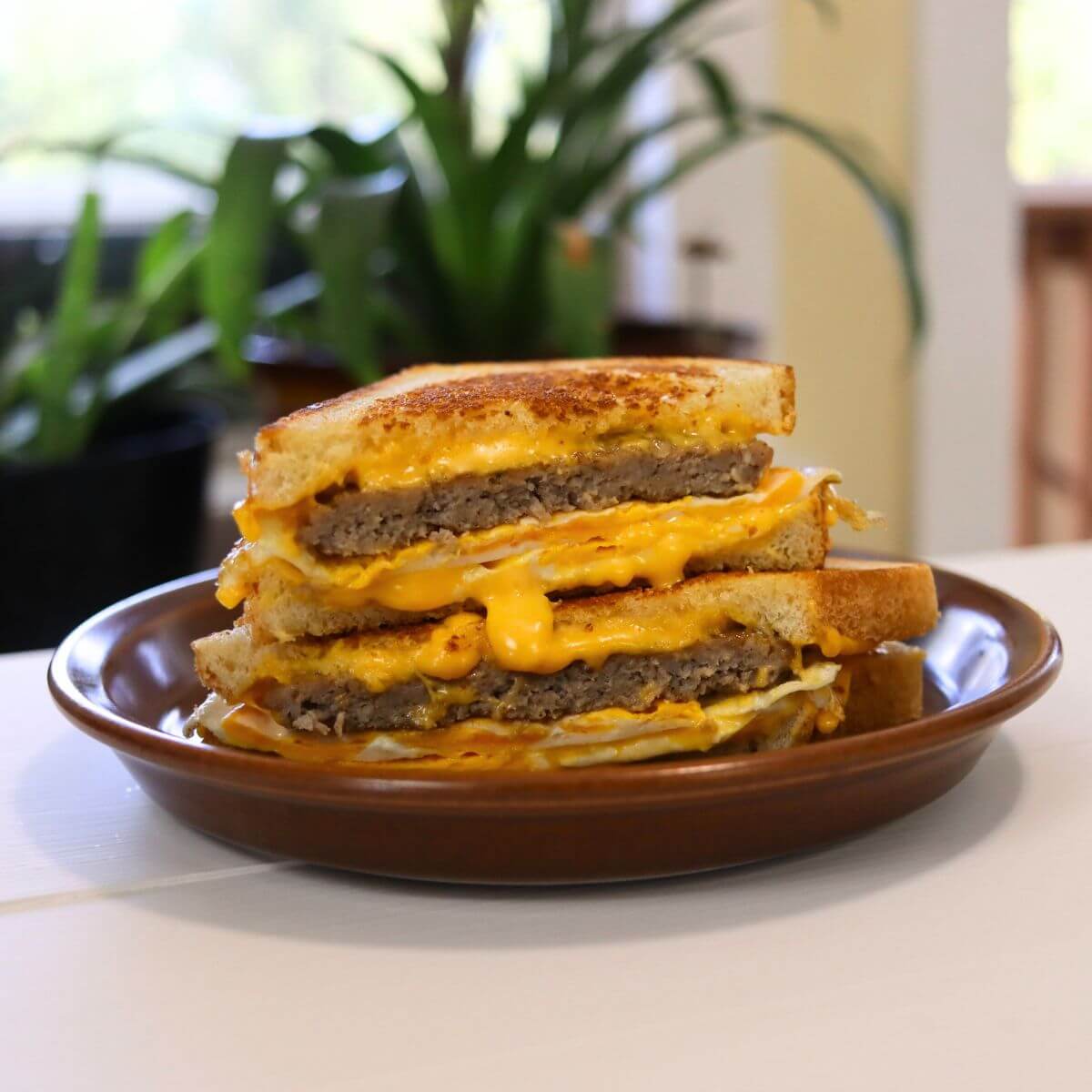
If you’re looking for a recipe using over hard eggs to make at home, give my sausage and egg grilled cheese sandwich recipe a try.
Scrambled eggs
Scrambled eggs are just that — scrambled. This style of egg is cracked into a bowl and mixed together with a whisk or fork before cooking. Adding a small amount of milk before scrambling helps make them fluffier, which is why many restaurants include it in their scrambled eggs.
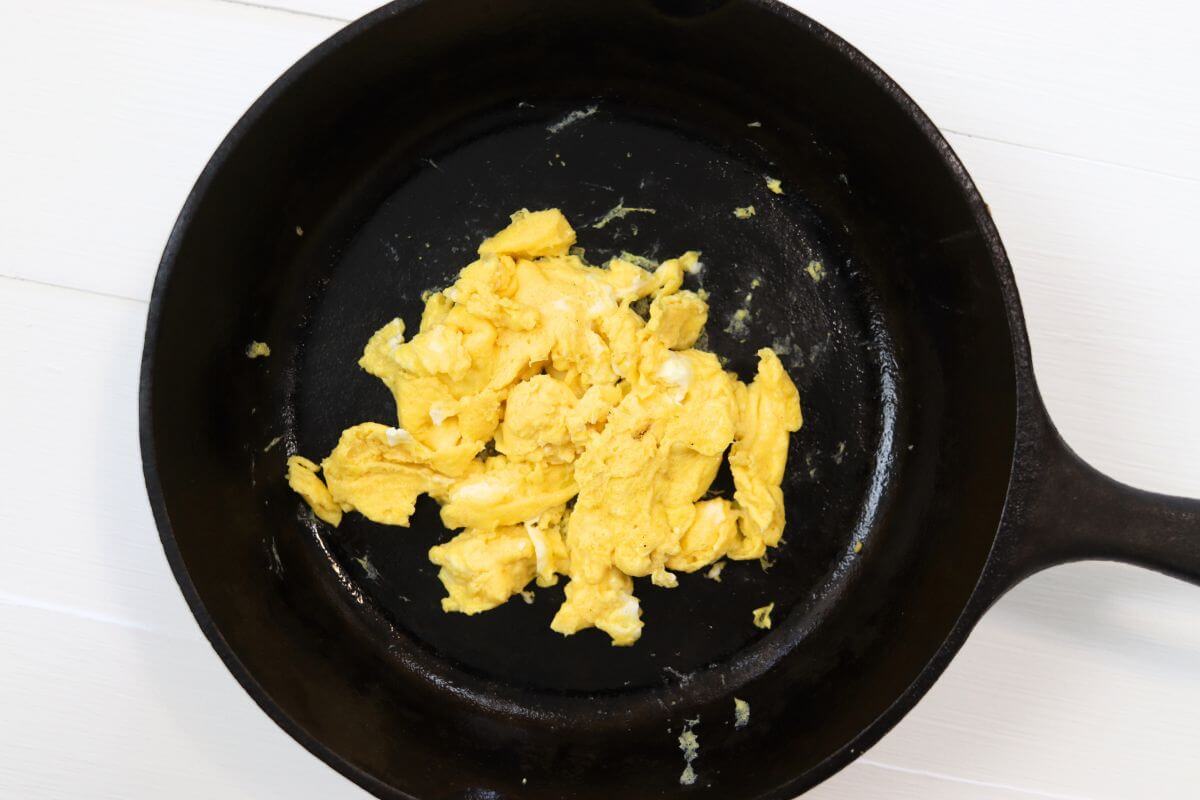
As a rule, scrambled eggs are cooked all the way through. They can be ordered dry to make sure they’re fully set, but that can sometimes lead to a firmer texture. They can also be ordered soft if you prefer them a little looser, with a lightly set texture that still has some moisture.
To cook scrambled eggs, crack the eggs into a bowl and whisk them together with a fork or whisk until fully combined, adding a small amount of milk if you want them fluffier. Heat a skillet over medium-low heat with a little butter or oil, then pour in the eggs. Let them sit briefly, then gently stir, pushing the eggs across the skillet as they begin to set. Continue stirring slowly until they are cooked to your preference — either fully set for dry scrambled eggs or still slightly moist for softer scrambled eggs — then remove from the skillet and serve right away.
If you’re looking for a recipe using scrambled eggs to make at home, give my Denver breakfast mess in a skillet recipe a try.
Omelet style eggs
The omelet style egg is prepared the same way as scrambled eggs — the whites and yolks are whisked together, often with a small amount of milk. The difference is in how it’s cooked. Instead of being stirred in the skillet, the eggs are poured in, left to cook flat, and then folded like an omelet.
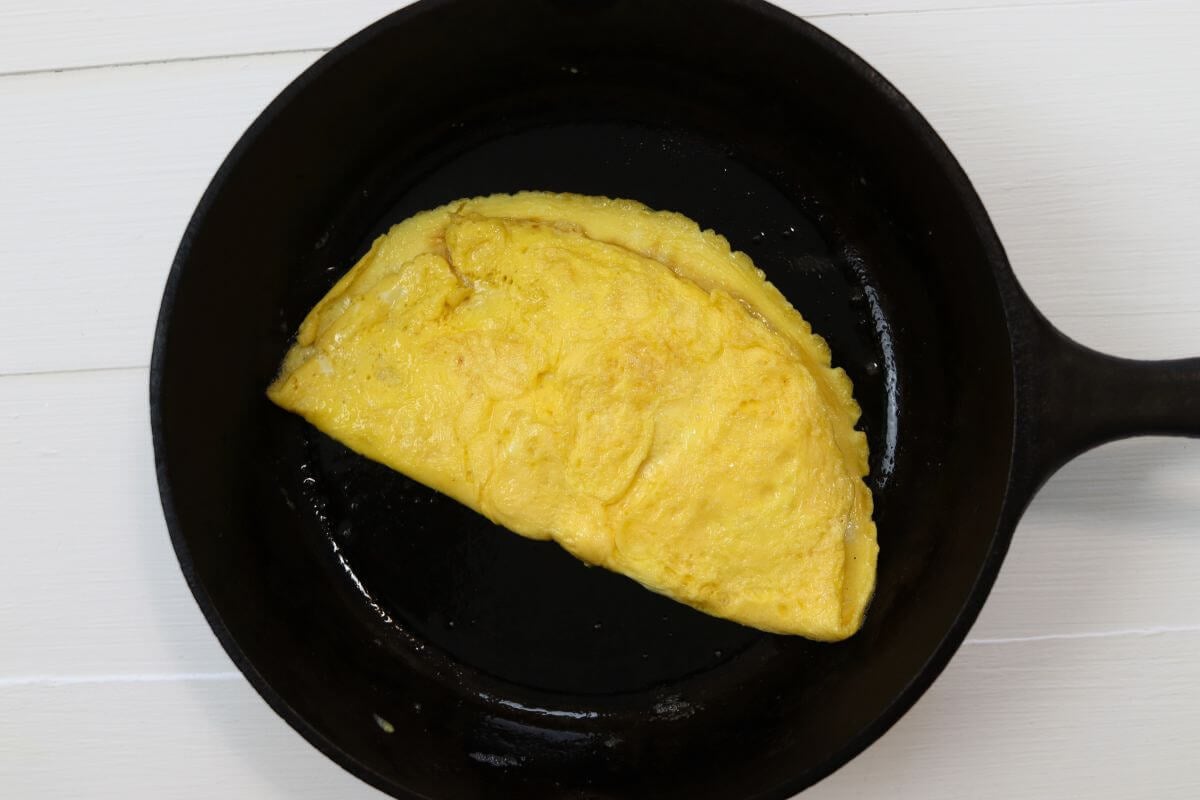
To cook omelet style eggs, crack the eggs into a bowl and whisk them together with a fork or whisk, adding a small amount of milk if desired. Heat a small amount of butter or oil in a skillet over medium-low heat, then pour in the eggs. Let them cook undisturbed so they spread out and set into a flat layer. Flip them over if you prefer them to be fully cooked, instead of loose on one side. Once the eggs are set to your preference, fold them over, then remove from the skillet and serve right away.
If you’re looking for a recipe using omelet style eggs to make at home, give my egg blt croissant sandwich recipe a try.
Sunny side up eggs
You might hear someone order this style of egg as ‘looking at you’, although that phrase is fading over time and isn’t used as much anymore. The egg is cracked into a skillet and cooked on one side only, without flipping, until the whites are set to the desired level. The yolk remains fully visible on top — like it’s ‘looking at you’.
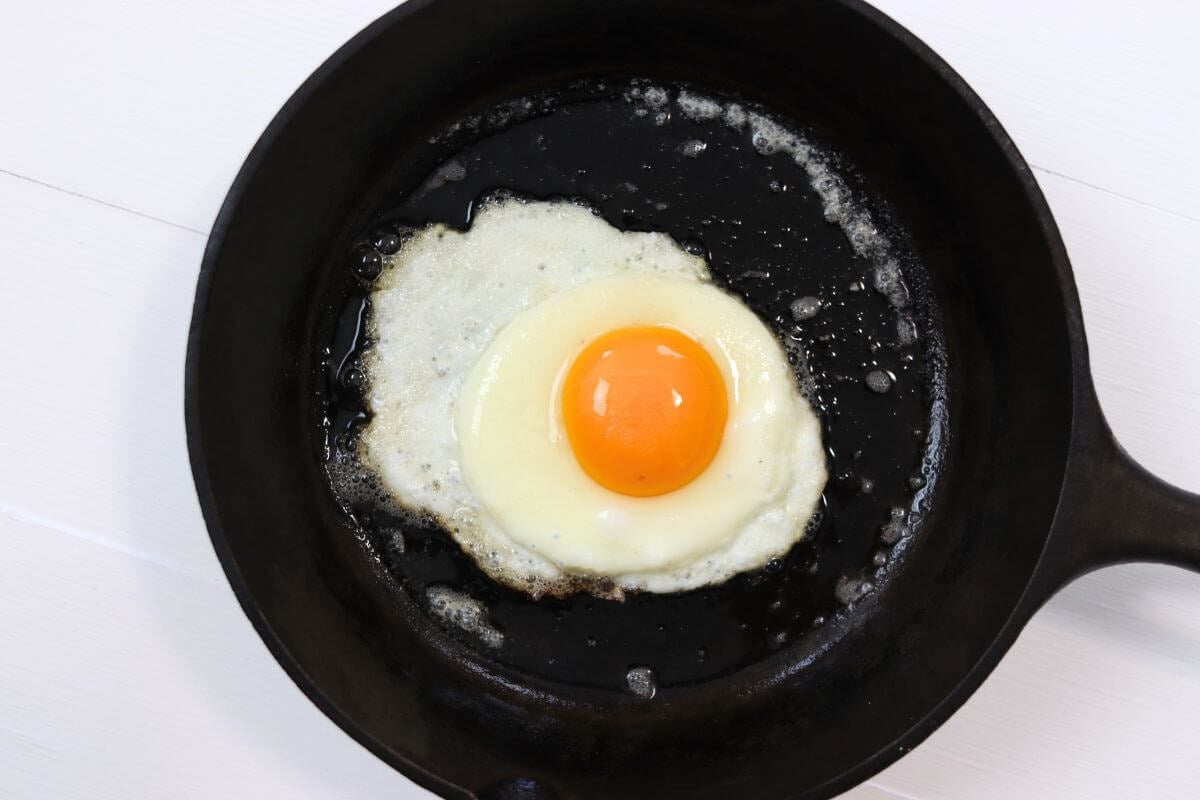
To cook a sunny side up egg, heat a small amount of butter or oil in a skillet over medium-low heat and crack the egg into the pan. Let it cook undisturbed on one side only, allowing the whites to set gradually without flipping. Continue cooking until the whites are set to your preference while the yolk remains fully visible on top, then remove from the skillet and serve right away.
If you’re looking for a recipe using sunny side up eggs to make at home, give my croque madame recipe a try.
Basted eggs
This style of egg isn’t ordered nearly as often as others in restaurants, which makes it one of the most misunderstood. But there’s nothing complicated about it. It’s simply a sunny side up egg where the top is briefly steamed (or basted), lightly setting the surface of the whites.
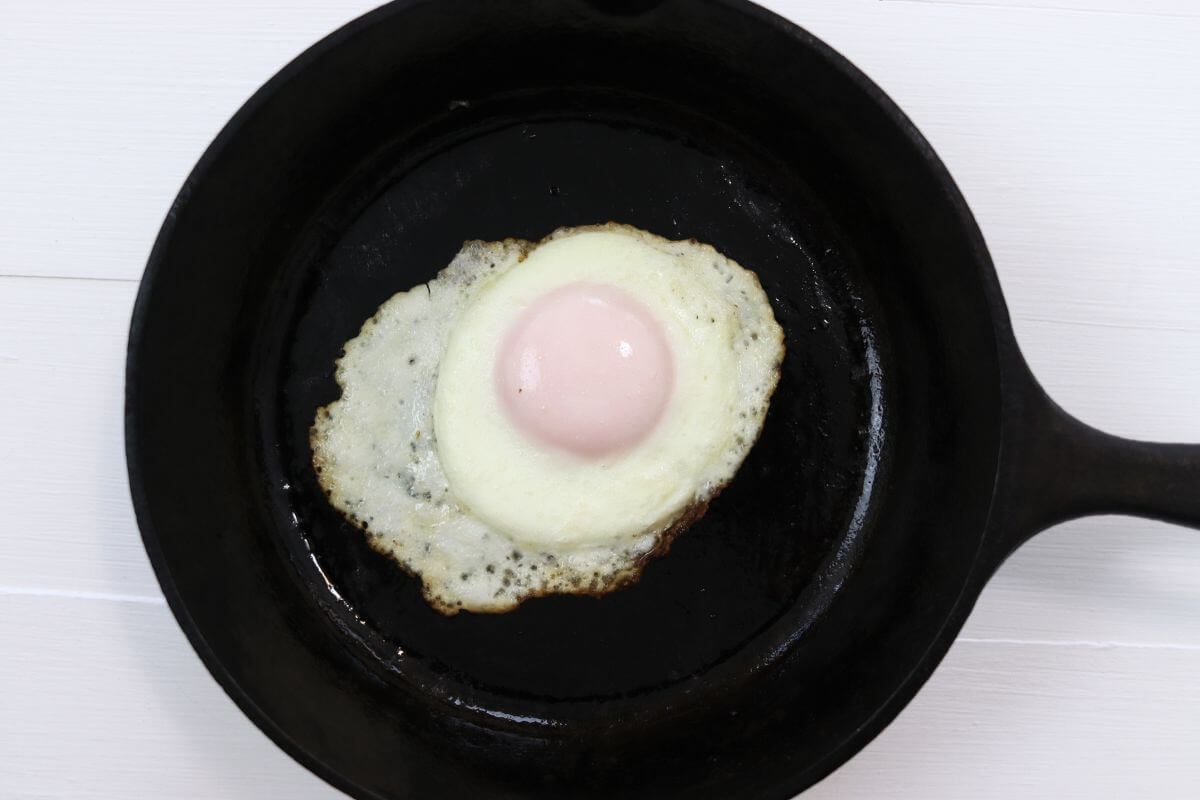
To cook a basted egg, heat a small amount of butter or oil in a skillet over medium-low heat and crack the egg into the skillet. Let it cook undisturbed until the whites begin to set, then add a small splash of water to the pan and cover it with a lid. Allow the steam to gently cook the top of the egg until a lightly set film forms over the top of the egg, then remove from the skillet and serve right away.
If you’re looking for a recipe using basted eggs to make at home, give my open-faced ham breakfast sandwich recipe a try.
Poached eggs
The poached egg is popular with those who prefer their eggs cooked without oil or butter. It isn’t ordered as often as it once was, which may be due to the added charge many restaurants apply for preparing this style. A poached egg is cooked in simmering water without the shell, and it can be ordered soft (very loose), medium (set whites with a loose yolk), or hard (fully set whites and yolk).
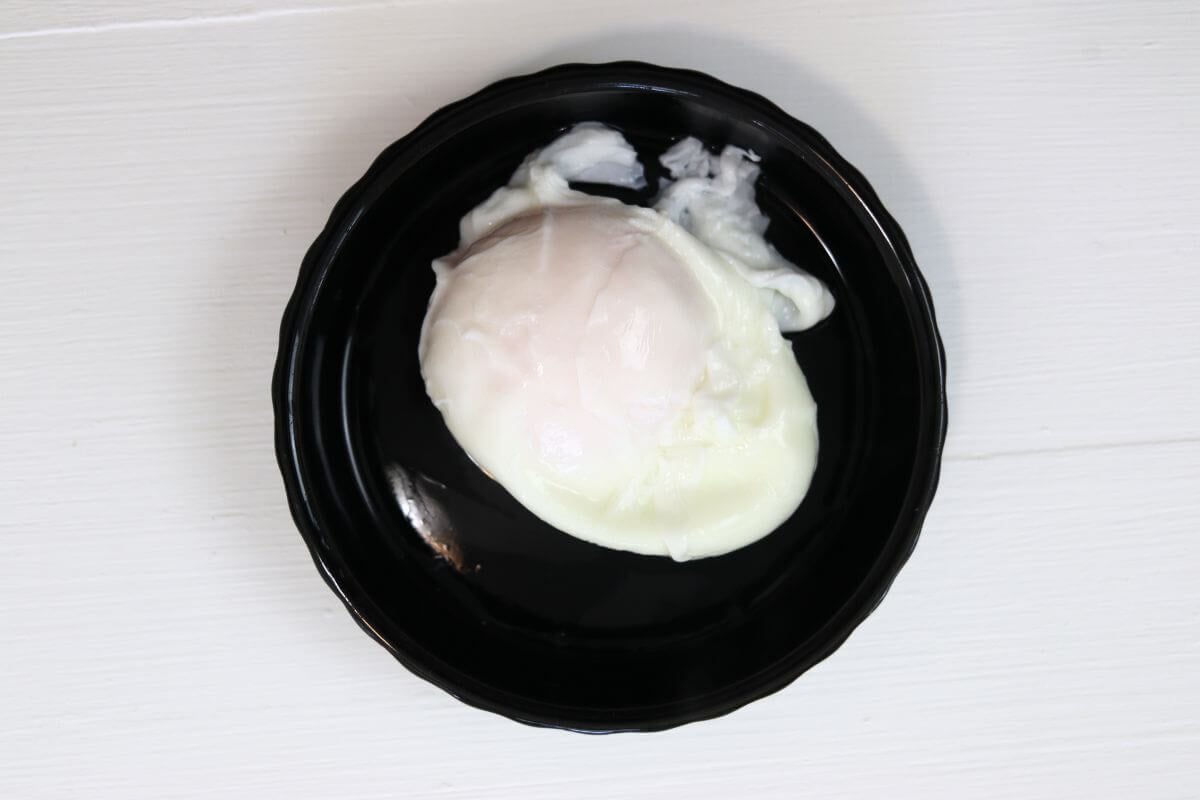
To cook a poached egg, bring a pot of water to a gentle simmer, then crack the egg into a small bowl. Create a light swirl in the water and carefully slide the egg into the center. Let it cook without stirring until the whites are set to your preference while the yolk remains soft or fully set, depending on how you want it cooked. Use a slotted spoon to lift the egg out of the water, let any excess water drain off, and serve right away.
If you’re looking for a recipe using poached eggs to make at home, give my eggs benedict with from scratch hollandaise recipe a try.
Hard boiled eggs
This style of egg is rarely ordered for breakfast in a restaurant. It’s more commonly used in salads and egg salad sandwiches, and it isn’t something that’s ordered cooked a specific way in those dishes. I’m including it here because it’s a common way to cook eggs, and it’s a useful skill to have in the kitchen. A hard boiled egg is cooked in it’s shell in simmering water, until both the whites and yolk are fully set.
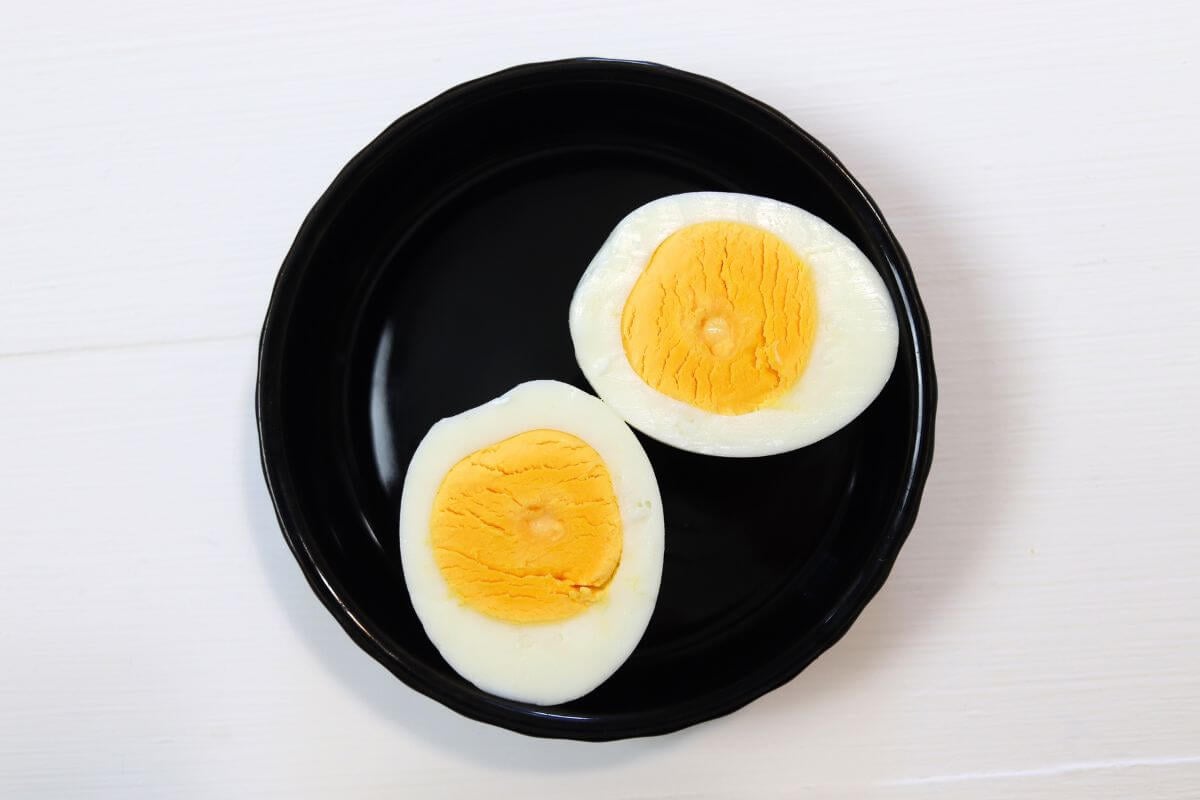
To cook hard boiled eggs, place the eggs in a pot and cover them with water by about an inch. Bring the water to a gentle boil, then reduce the heat to maintain a steady simmer and cook for 12 minutes. Remove the eggs from the water and transfer them to a bowl of cold water to stop the cooking. Once cooled, peel and use as needed.
If you’re looking for a recipe using hard boiled eggs to make at home, give my farmhouse style deviled eggs recipe a try.
Steamed eggs
Steamed eggs are essentially the same as hard boiled eggs. The only difference is how they’re cooked, along with how easy they are to peel. Steamed eggs tend to peel much more easily, but the finished egg is the same — both the whites and yolk are fully set.
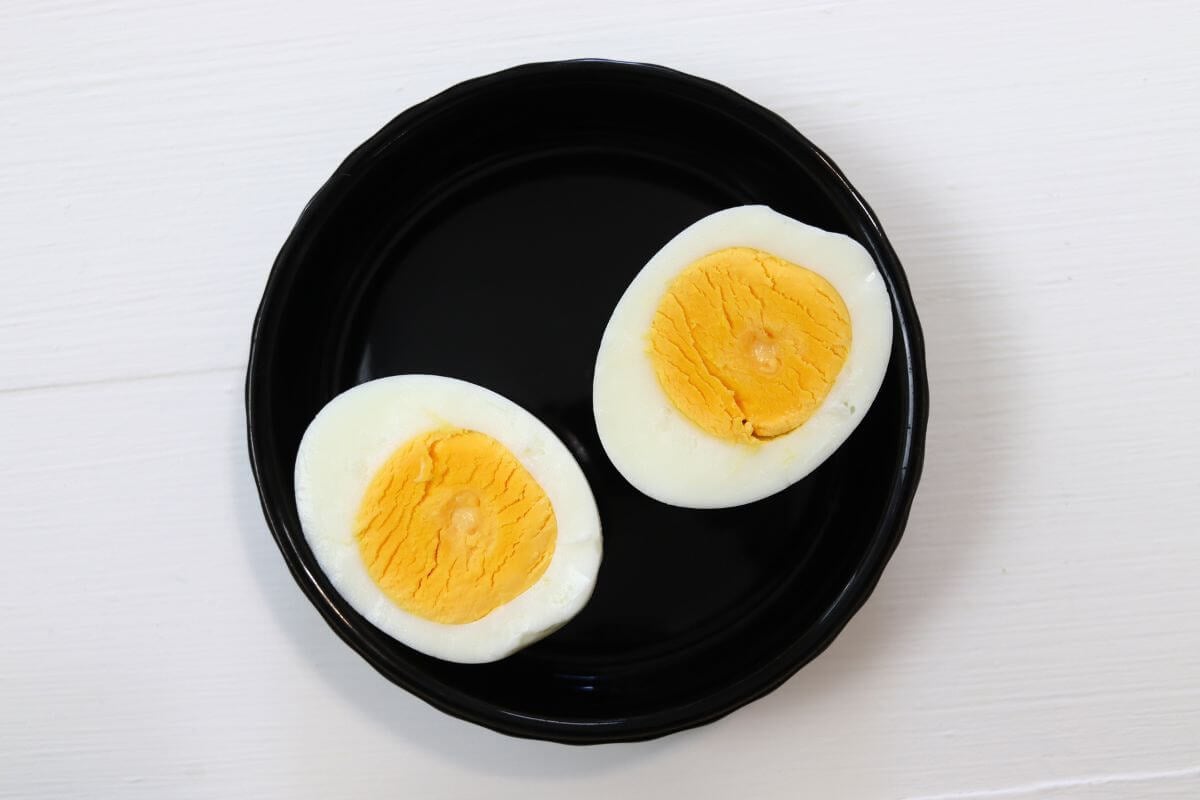
To cook steamed eggs, add about an inch of water to a pot and bring it to a simmer. Place the eggs in a steamer basket and set it inside the pot, cover the pot, and let them steam for 14 minutes until the whites and yolks are fully set. Remove the eggs and transfer them to a bowl of cold water to stop the cooking, then peel once cooled.
If you’re looking for a recipe using steamed eggs to make at home, give my old fashioned egg salad recipe a try.
Top tips
- Control your heat from the start: Most egg styles turn out best on medium-low heat. Higher heat cooks the outside too fast and makes it harder to control the yolk or texture.
- Use the right skillet for the job: A nonstick or well-seasoned skillet makes a noticeable difference, especially for fried and folded eggs. It gives you cleaner flips and better control.
- Crack eggs on a flat surface: This reduces shell fragments and keeps the yolk intact, which matters for styles where presentation and structure count.
- Cook one or two eggs at a time while learning: It’s easier to focus on timing and texture without overcrowding the skillet.
- Watch the whites, not the clock: The whites tell you when it’s time to flip, fold, or remove the egg. Relying on visual cues will give you more consistent results than strict timing.
- Use a thin, flexible spatula: It slides under the egg more cleanly, helping you flip or fold without tearing the whites or breaking the yolk.
- Drain poached eggs before serving: Letting excess water drip off keeps the plate clean and prevents the egg from watering down whatever it’s served with.
- Start with fresh eggs when possible: Fresher eggs hold their shape better, especially for poaching and frying styles where structure matters.