
Freezing Lemon Juice: Everything You Need to Know

Freezing lemon juice is one of the easiest ways to preserve fresh lemon flavor and always have it ready when you need it. Whether you’ve squeezed too many lemons, found a great sale at the grocery store, or harvested a bumper crop from your own tree, freezing the juice prevents waste and gives you convenient portions for cooking, baking, marinades, dressings, and homemade drinks.

If you’re stocking your freezer with more than just lemon juice, be sure to check out my guides on how to freeze green onions, how to freeze acorn squash, how to freeze grapefruit, how to freeze bok choy, and how to freeze poblano peppers. They’ll help you preserve fresh produce properly, reduce food waste, and keep your freezer stocked with ready-to-use ingredients.
I freeze fresh lemon juice every year because it’s a simple way to save money and make meal prep easier. Instead of letting extra lemons dry out on the counter, I freeze the juice in portions that fit the way I cook, so I always have fresh lemon juice on hand without making an extra trip to the store. In this guide, you’ll learn the best ways to freeze lemon juice, how long it lasts, how to thaw it, and the best containers to use so you get the best results every time.
The best ways to freeze lemon juice
Fresh lemon juice freezes well in a variety of containers, so the best method depends on how you plan to use it later. Whether you need small portions for recipes or larger amounts for homemade lemonade, choosing the right container makes thawing and measuring much more convenient.
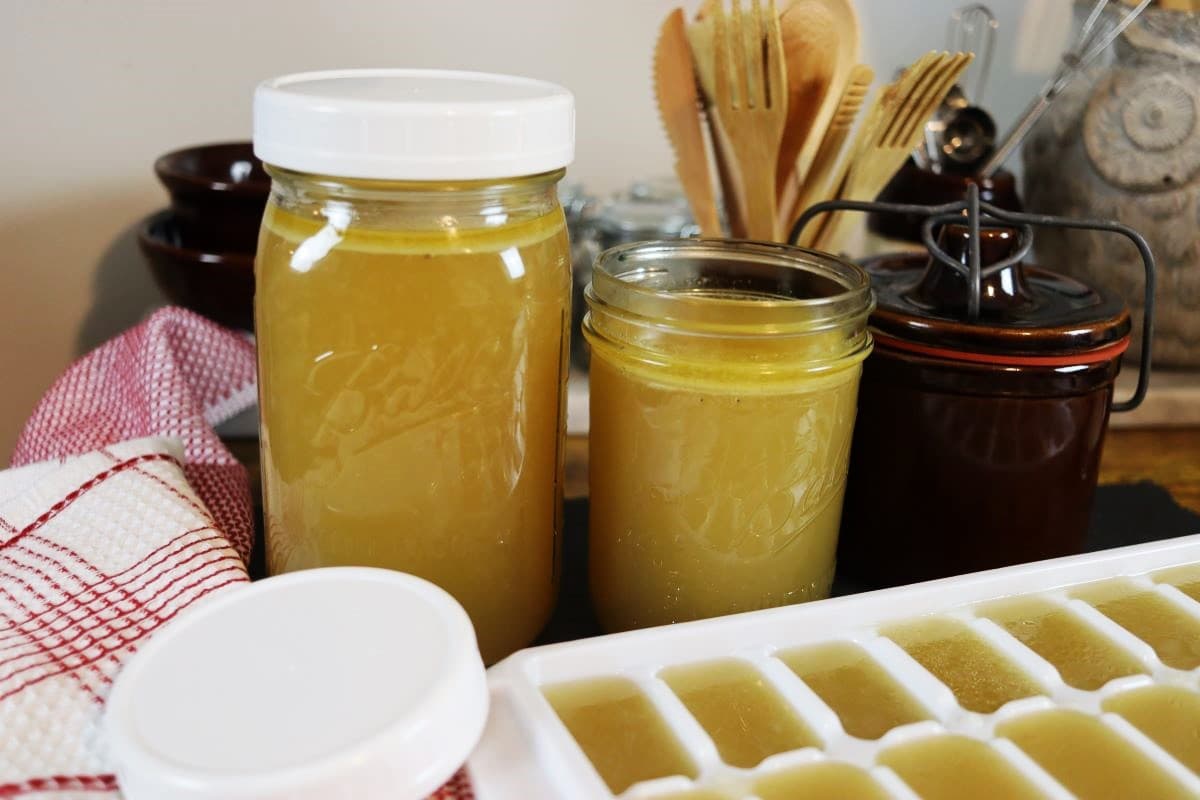
- Ice cube trays are ideal for freezing small, measured portions that can be added directly to recipes, sauces, marinades, dressings, and drinks. Once the cubes are frozen solid, transfer them to a freezer bag or airtight container to free up the tray and help prevent freezer burn.
- Plastic bottles work well when you’re freezing larger batches of lemon juice. Be sure to leave headspace at the top of each bottle to allow the juice to expand as it freezes. This method is especially convenient if you regularly make lemonade or use larger quantities in recipes.
- Mason jars are another excellent choice for storing larger amounts of lemon juice. Always use freezer-safe jars and leave enough space at the top for expansion to help prevent the glass from cracking during freezing.
- Silicone molds are available in a wide variety of sizes, making it easy to freeze lemon juice in portions that match the way you cook, bake, or prepare drinks. The flexible silicone allows the frozen juice to pop out easily, and the portions can then be transferred to a freezer bag or airtight container for long-term storage.
- Freezer bags are a great option when you’re short on freezer space. Freeze the juice flat in the bags so they’re easy to stack, thaw quickly, and take up very little room. Be sure to remove as much air as possible before sealing to reduce the risk of freezer burn.
Each of these methods preserves fresh lemon juice well, so you can choose the one that best fits the way you cook, bake, and prepare drinks throughout the year.
How long does it last?
Frozen lemon juice keeps its best quality for 6 to 12 months when stored in a freezer at 0°F (-18°C) or below. During that time, it retains its fresh flavor and works well in cooking, baking, marinades, dressings, and beverages.
Although frozen lemon juice remains safe to use beyond 12 months if it has stayed continuously frozen, its flavor and aroma will gradually begin to decline. For the freshest taste, it’s best to use it within the first year.
Thawing frozen juice
The best way to thaw frozen lemon juice depends on how you plan to use it. Small frozen portions can be transferred to the refrigerator to thaw overnight or left at room temperature for a short time until melted. If you’re adding frozen lemon juice to hot soups, sauces, or other cooked dishes, you can often add the frozen portions directly without thawing first.
Common mistakes to avoid
Freezing lemon juice is simple, but a few common mistakes can affect its quality and make it more difficult to use later.
- Overfilling Containers: Lemon juice expands as it freezes. Always leave enough headspace in bottles and jars to allow for expansion and help prevent cracked containers or broken seals.
- Using the Wrong Containers: Not all containers are designed for freezer storage. Choose freezer-safe bottles, jars, bags, or containers that can withstand freezing temperatures without cracking or leaking.
- Leaving Air in Storage Bags: Excess air can contribute to freezer burn and reduce the quality of the lemon juice over time. Press out as much air as possible before sealing freezer bags.
- Forgetting to Label the Juice: Frozen lemon juice looks much like other frozen liquids once stored. Label each container with the contents and the freezing date so you can easily identify it and use the oldest batches first.
- Refreezing Thawed Lemon Juice: Once lemon juice has completely thawed, it’s best to use it within a few days rather than freezing it again. Refreezing can reduce both the flavor and overall quality of the juice.
Top tips
- Roll the Lemons Before Juicing: Firmly roll each lemon on the countertop with the palm of your hand before cutting it open. This helps break down the juice sacs inside the fruit, making it easier to extract as much juice as possible.
- Strain the Juice: Pour the freshly squeezed lemon juice through a fine-mesh sieve to remove the seeds before freezing. If you enjoy pulp, simply stir some, or all of it, back into the strained juice before portioning it into your freezer containers.
- Freeze the Juice Soon After Squeezing: Freshly squeezed lemon juice has the brightest flavor. Freezing it soon after juicing helps preserve its fresh citrus taste and aroma.
Would you like to save this post for later?
How I Use Frozen Juice
Of all the fruits and vegetables I preserve, frozen lemon juice is the one I reach for most often. Having ready-to-use portions in the freezer saves time, prevents waste, and means I always have fresh lemon juice available without making an extra trip to the grocery store.
When I’m cooking, I often toss a frozen cube straight into pan sauces, soups, and other hot dishes. The juice melts quickly as it cooks, adding fresh citrus flavor without the extra step of squeezing a lemon while I’m preparing dinner. It’s one of those simple kitchen shortcuts that I use all year long.
Frozen lemon juice is just as useful for drinks. I regularly thaw larger portions to make classic homemade lemonade or fresh blueberry lemonade, and I love serving them over lemon juice ice cubes. As the cubes melt, they keep the drinks cold without watering them down, so every glass stays just as bright and refreshing from the first sip to the last.
I also use frozen lemon juice to make homemade dressings. It works beautifully in my lemon oregano salad dressing and homemade Italian dressing, and having frozen portions on hand means I always have fresh lemon juice ready whenever I want to mix up a batch.
One of my favorite spring recipes is homemade lemon syrup. I keep frozen lemon juice on hand so I can quickly make a batch to drizzle over pancakes, waffles, or French toast whenever I want. It’s a simple recipe that always reminds me of spring, and one I love serving to friends.
Once you start keeping frozen lemon juice in your freezer, it’s surprising how often you’ll reach for it. From everyday meals to homemade drinks and dressings, it’s one of those simple kitchen staples that’s always useful to have on hand.
Other posts you’ll love
How To Freeze Carrots (Complete Guide)
How To Freeze Celery (Complete Guide)
How To Freeze Onions (Step-by-Step)
How to Store Beef Broth Properly
How to Store Chicken Broth Properly
How To Freeze Chicken Broth || Storing Homemade Broth
Easy Salt Preserved Lemons Recipe
Freezing fresh lemon juice is such a simple trick that makes cooking and baking so much easier — no more rushing to use up lemons or running out when you need just a splash! This method is quick, practical, and a great way to cut back on waste. If you give it a try, I’d love to hear how you use your frozen lemon juice — drop a comment below to share or ask any questions!