
Farmer’s Market Tips: How to Shop Smart and Eat Fresh

A farmer’s market visit should never feel like a chore. It’s a ritual that invites you to slow down, engage with your food, and support the community around you. When approached with intention, your market visits can become a key part of a seasonal lifestyle, rooted in sustainability and well-being.
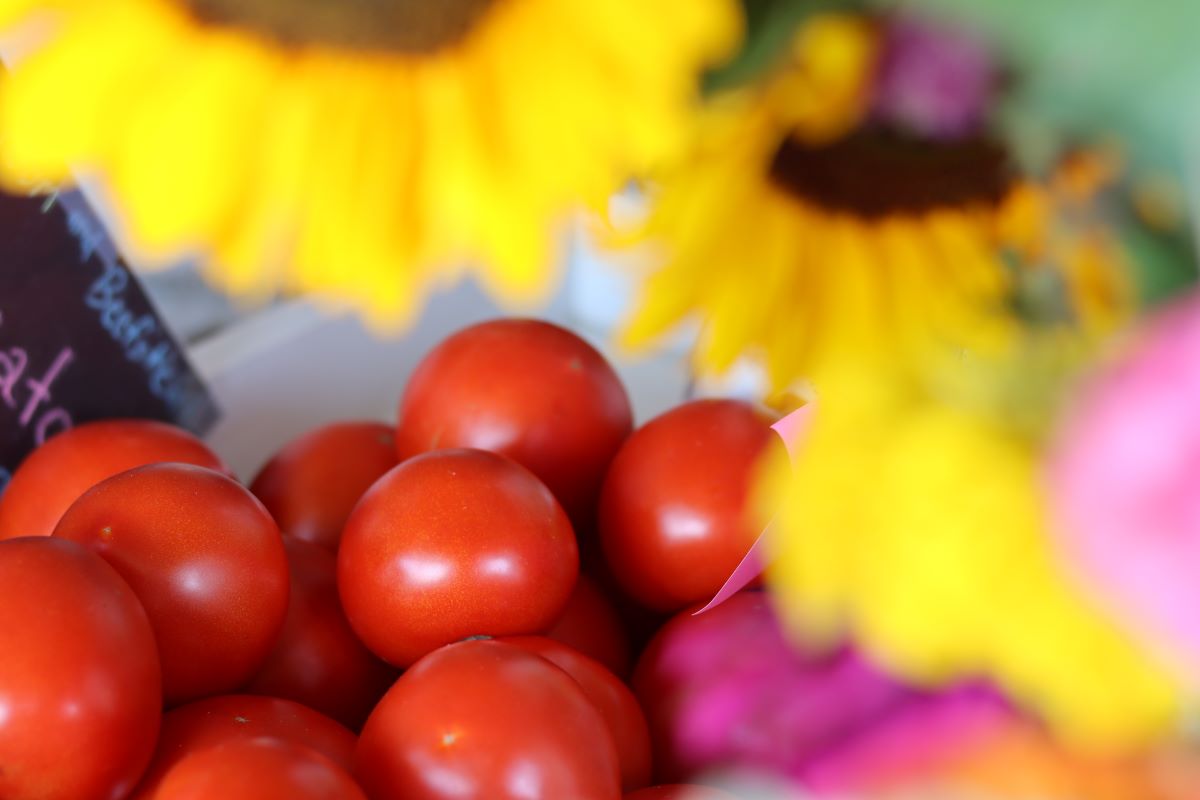
The following practical tips will help you transform your visit into something both useful and deeply fulfilling. From navigating the vendor stalls with purpose, to building relationships with your local growers, each step brings you closer to a life that feels more intentional, more satisfying — and, dare I say, more delicious. Over time, these small shifts will shape not just how you shop, but how you cook, eat, and connect with your food.
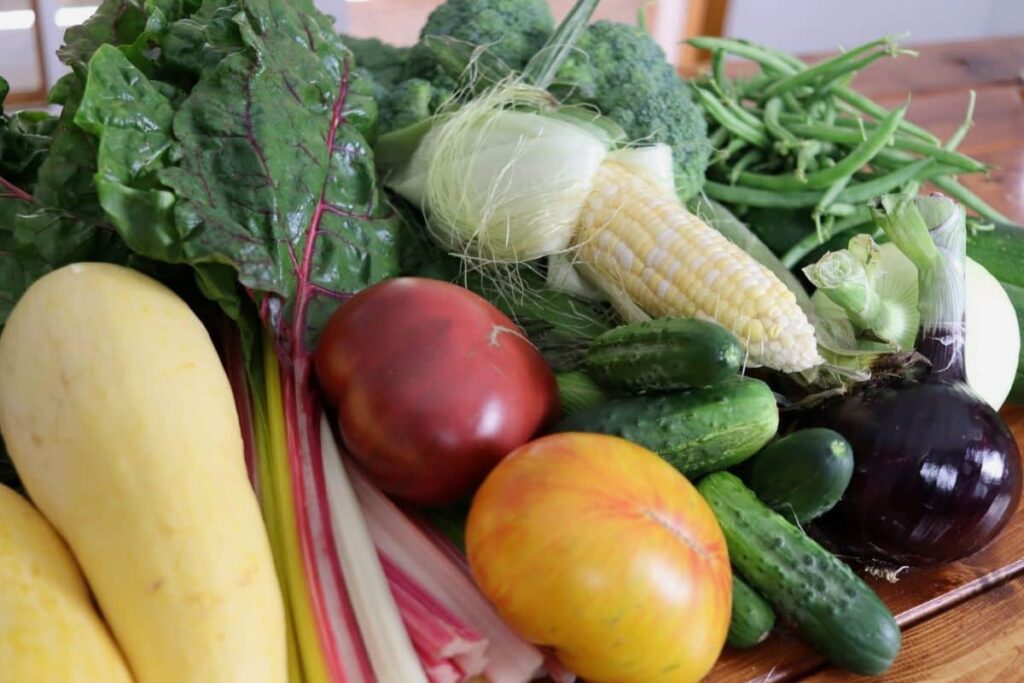
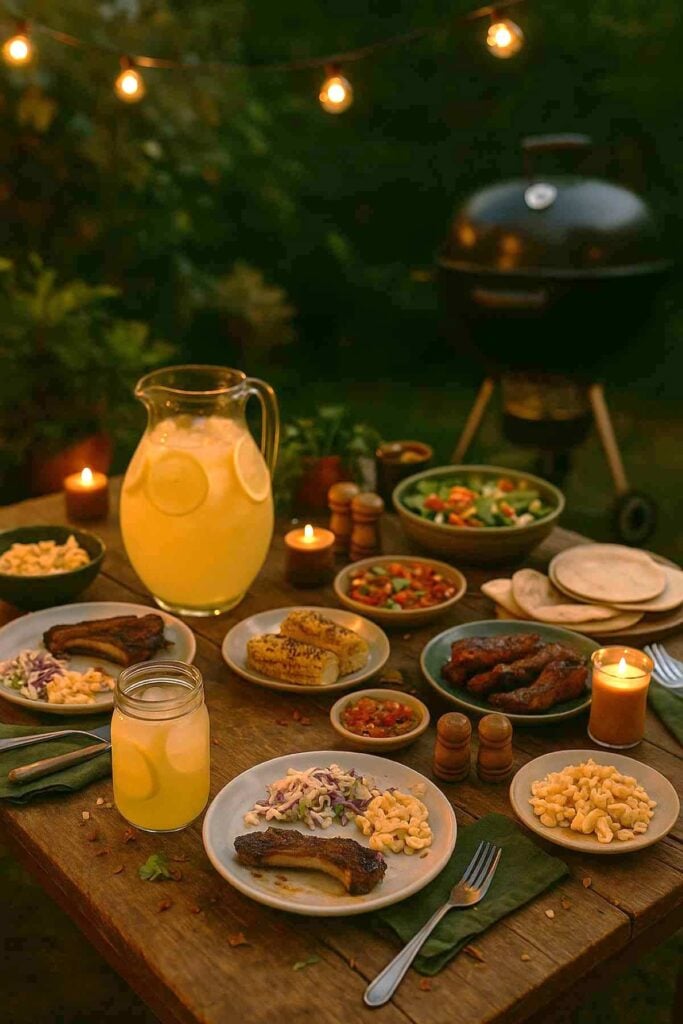
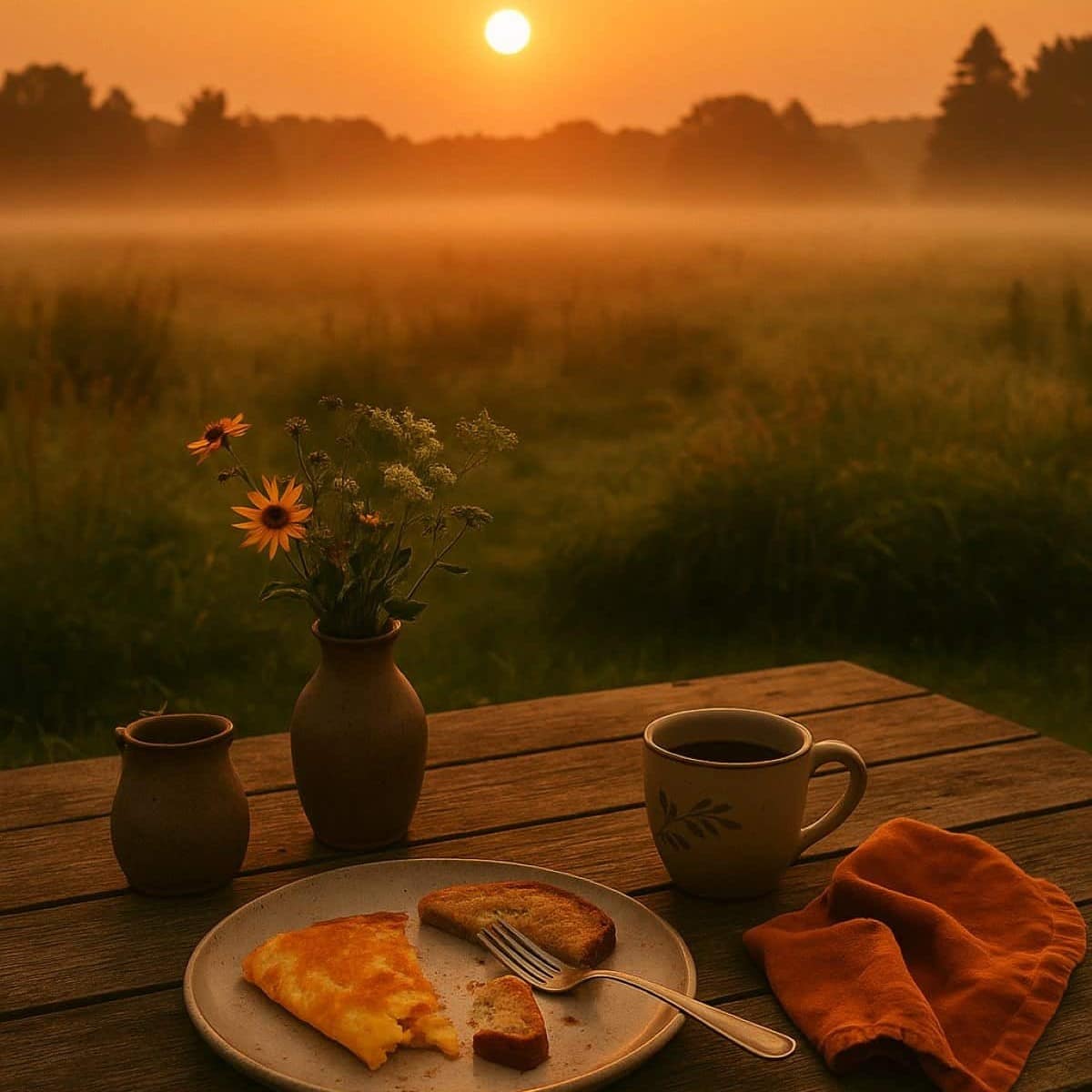
If you’re interested in more tips for slow living in the summer season, be sure to take a look at my summer bbq, summer morning rituals, early summer days, and how to prepare fresh vegetables posts.
Connect With Your Local Farmer’s
There’s no better way to understand what’s on your plate than by knowing the person who grew or raised it. Having relationships with your farmer will deepen your awareness of the quality of the food you eat, and foster strong community ties.

- Ask questions: Get familiar with how your food is grown or raised. Farmers are usually eager to share their methods, whether they use organic practices, crop rotations, or pasture-raising. This insight will expand your personal knowledge and give you confidence in your food choices.
- Clarify labeling: Don’t rely solely on claims like “grass-fed” or “organic.” Many small farms use organic methods, but skip certification due to the often prohibitive cost involved in attaining it. Labels can be misleading, so personal conversations matter more.
- Build trust: Support farmers who welcome transparency and conversation. If a farmer avoids your questions, that’s a clear sign to buy elsewhere. Food transparency should never be off-limits.
- Foster connection: Cultivate long-term relationships with your growers. Not only will you get better food, but you’ll also feel more invested in your local food system. That sense of connection is an important part of the overall experience.
Shop With Strategy
A thoughtful approach to market shopping saves money, prevents waste, and helps you make the most of the ever-changing selection of what’s available each week. Planning both your path through the market and your purchases leads to a more relaxed and successful experience.
- Do a walkthrough: Take 10–15 minutes to browse the market before buying anything. This lets you see everything that’s available that week. And helps you develop a menu plan, which is very useful in reducing impulsive spending that results in waste.
- Prioritize flexibility: Seasonal shopping means learning to cook with what’s available, instead of sticking rigidly to a pre-written list. It’s an opportunity to eat intuitively. And it’s one of the simplest ways to enjoy the freshest, most flavorful food all year long.
- Shop with intention: Focus on what you’ll actually use. If you’re buying something just because it looks appealing, think twice. Be sure that you will have the time, and the know-how, to actually use what you take home from the market with you. Unused produce creates waste — and unnecessary expense.
- Respect your time: Choose a market schedule that fits your lifestyle. A calm visit once a week is better than hurried stops that don’t serve your goals. Treat it like a sacred errand, not a rushed shopping trip.
Buy In Bulk And Plan Ahead
Buying in bulk is a smart way to stretch your budget and enjoy fresh food throughout the year — but it requires planning. With the right approach, bulk shopping can become a seasonal habit that supports preservation and long-term savings.

- Shop early: Arrive when the market opens for the best bulk selection. High-demand items like tomatoes, berries, and stone fruits go fast. Early birds truly do get the worm, and the best deals too.
- Inquire directly: Ask farmers about bulk pricing or off-market sales. If you’re preserving or freezing food, many farmers are happy to cut a deal on larger quantities sold in one go.
- Don’t skip late days: If you’re unable to make it to the market early, it’s still worth stopping to shop at closing time, for last-minute markdowns. Some farmers would rather sell at a discount than pack surplus product back home with them. You might get excellent bargains on garden fresh produce, and who doesn’t want that?!?!
- Prep ahead: Know how you’ll store what you bring home. Freezing, canning, or fermenting takes time — so plan accordingly. Without a strategy, you’re just buying bulk spoilage. There are posts on the blog on how to freeze acorn squash, bok choy, and poblano peppers for your reference. And there is a post on how to pickle vegetables as well.
Store Produce For Longevity
Proper storage is one of the easiest ways to make the most of your farmer’s market produce. It keeps your ingredients fresh longer and helps you avoid food waste.

- Store vegetables correctly: Learn which ones prefer cool, dark storage. Items like potatoes, garlic, and onions should stay out of the fridge. On the other hand, leafy greens need moisture and airflow to stay crisp.
- Separate components: Trim greens from root vegetables before storing. This slows moisture loss and keeps both the roots and greens fresh longer. The two require different storage conditions.
- Keep produce whole: Avoid cutting or peeling produce until you’re ready to use it. Exposure to air accelerates spoilage. If you need to prep produce in advance, be sure to seal the containers you store them in well and use them within a few days.
- Make prep work count: Pre-slice veggies only when it will encourage you to eat more of them. If ready-to-eat veggies helps you snack healthier, it’s worth doing. Choose prep strategies that support your routine — rather than working against it.
Would you like to save this post for later?
Make It An Experience
When you treat your farmer’s market visit like an outing instead of a task, everything shifts. The slower pace, beautiful displays, community connection, and local food become a core part of a well-lived, celebrated lifestyle.

- Soak it in: Let your senses guide you through your visit. Notice the scent of herbs, the textures of handmade goods, and the chatter happening around you. These moments help keep you grounded in the present, allowing you to get the full experience.
- Savor the variety: Discover new-to-you produce and flavors. Ask the farmers for a taste of their wares (if appropriate) or for a tip on how to prepare a particular product. Most vendors are more than happy to share how they personally enjoy their own goods. You can find recipes for Garden Fresh Pico De Gallo, Korean Pancakes, Bieler’s Broth, No Cook Pasta Sauce, Farmhouse Coleslaw, and a Garden Fresh Vegetable Side Dish on the blog. These are all great dishes that I personally shop for at the market. And they’re easy to make too!
- Engage meaningfully: Make time to engage in small conversations. These interactions foster a sense of belonging. You’re not just shopping — you’re participating in a local rhythm. Many of the people who are at the market are there for that very reason. I’ve made a lot of friends while visiting the farmers market. If you are open to it, you will too!
- Make it special: Make your visit a weekly ritual — something you look forward to, whether you go alone for quiet reflection, or bring someone along to share the experience. If you live in a seasonal area, like I do, your market trips may be limited to certain months. Check to see if your community hosts an off-season market. We have a winter market here, and it’s such a gift to have access to fresh, local food even in the colder months.
Embrace The Shift To Fresh Eating
Transitioning to a fresh, seasonal way of eating is a journey, not a quick fix. If it’s new to you, it may take time to shift your habits and adjust your routine. Rushing the process can feel overwhelming and may even lead to giving up — so be intentional in your choices, while remaining patient with the process.

- Start simple: Add just one or two new fresh items to your meals each week. It’s easier to stay consistent when the goal feels achievable. A few small shifts lead to big changes over time.
- Celebrate progress: Focus on how far you’ve come, not how far you have to go. Maybe you still eat some processed food — that’s okay! The important thing is that you are consistently progressing toward a better way of nourishing your body. Every whole food meal is a win worth honoring.
- Make food joyful: Allow the beauty of fresh ingredients to inspire you. Light candles. Set a simple table. Enjoy the preparation process. Make the act of eating a moment to savor, not just something to check off your list.
- Build a relationship with food: Let your connection to food grow organically. The more you care about what goes on your plate, the easier it is to nourish yourself well. Staying mindful of your connection to food creates the foundation for lasting change.
Final Thoughts
Making the most of your farmer’s market visit really comes down to this: go with intention, stay open to learning, and embrace the beauty of what fresh food can offer. Let each market trip be a chance to connect — with the season, your food, and the people who grow it.
Whether you’re buying a single tomato or stocking up for a month of meals, do it with care. Let the market nourish more than your body — let it influence the way you live.



I love farmer’s markets! Great topic and I love the recipes you added to use the produce.
Farmer’s market are the best! I was surprised at how many recipes I had on the blog already. Can’t wait to do more for fresh garden produce. I’ll probably get quite a few next year when I have my own garden again 😉
Great tips! I just realized we missed our Farmer’s Market this morning lol.. oops. But I will remember these for next week! Thanks again!
Missed the farmer’s market … OH NOOOOOOOOO! Hope you make it next week 😉
Visiting the farmers market is one of the best ways to connect with seasonal food and local growers. Go early for the best selection, bring cash and your own bags, and don’t be afraid to ask vendors how they like to use what they grow. What’s your favorite farmers market find lately?