How to Store Chicken Broth Properly

How to store chicken broth properly becomes just as important as making it from scratch, especially if you batch cook for multiple meals. If broth isn’t cooled, stored, or frozen correctly, it can spoil quickly or become unsafe to use. This guide answers the most common storage questions clearly and directly, using practical steps that work for homemade chicken broth made from scratch.

How to store homemade chicken broth in the fridge
Homemade chicken broth should be refrigerated promptly and stored in airtight containers.
Start by cooling the broth safely. Hot broth should not be placed directly into the refrigerator in a large pot. Instead:
- Divide the broth into smaller containers to help it cool faster
- Let steam escape briefly, then cover loosely
- Refrigerate as soon as it is no longer hot to the touch
Once cooled, store the broth in:
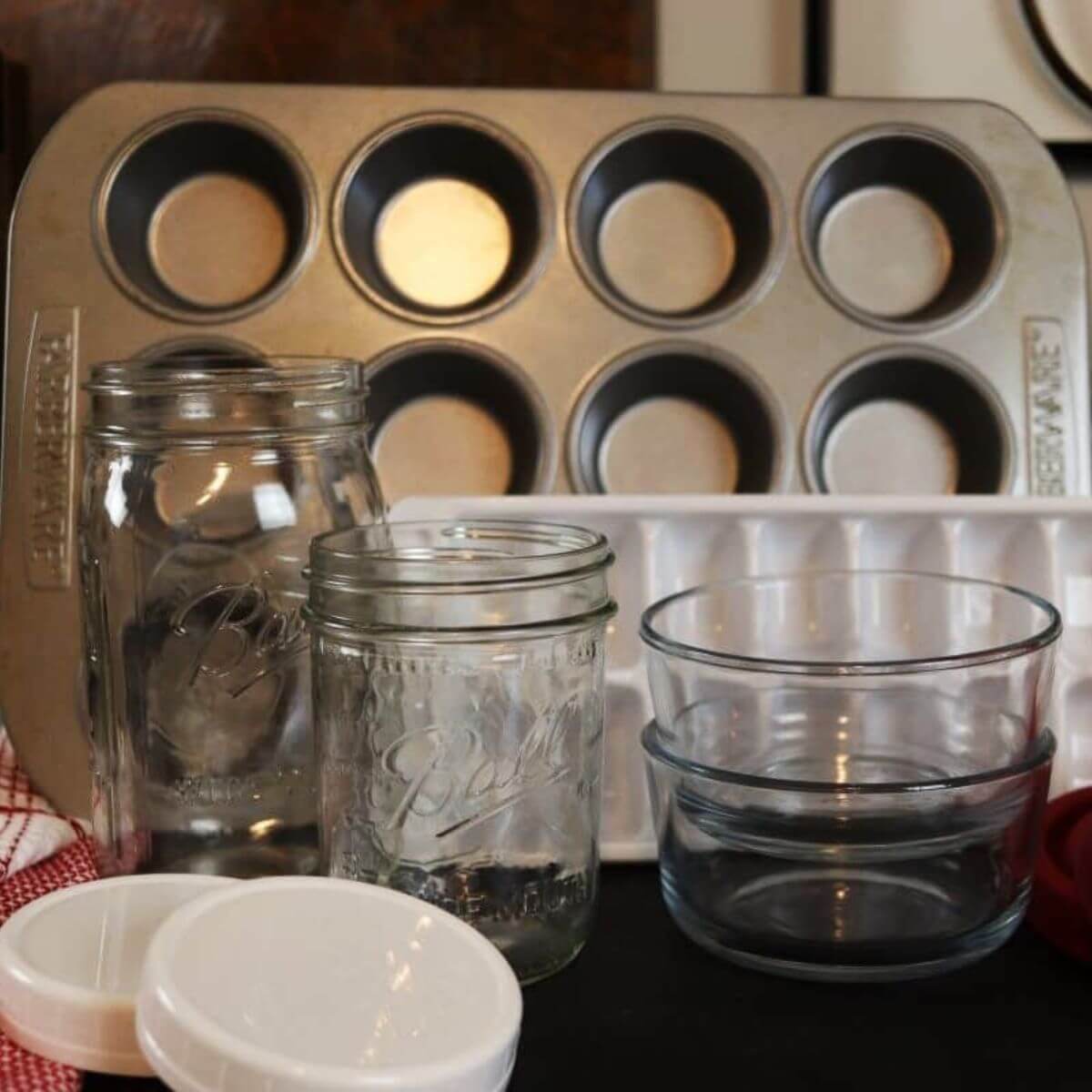
- Glass jars
- Food-safe plastic containers
- Stainless steel containers with tight-fitting lids
Keep the broth on a refrigerator shelf rather than in the door, where temperatures fluctuate more.
Always label containers with the date the broth was made.
How long does homemade chicken broth last
Homemade chicken broth lasts 3 to 4 days in the refrigerator when stored properly.
This timeline assumes:
- The broth was cooled quickly
- It was stored in a clean, airtight container
- The refrigerator temperature is at or below 40°F (4°C)
If the broth smells sour, looks cloudy beyond normal gelatin separation, or shows signs of mold, it should be discarded immediately.
Do not rely on boiling to “fix” spoiled broth. If there is any doubt, throw it out.
Would you like to save this post for later?
Can you freeze homemade chicken broth
Yes, homemade chicken broth freezes very well and is the best option for long-term storage.
Frozen chicken broth keeps good quality for up to 6 months, and is generally safe beyond that if kept consistently frozen, though flavor may decline over time.
For best results:
- Cool broth completely before freezing
- Use freezer-safe containers
- Leave headspace to allow for expansion
- Label containers with the date and quantity
Freeze broth in portions that match how you actually cook, so you don’t have to thaw more than you need.
Can you freeze chicken broth in mason jars
Yes, but only if done correctly.
To safely freeze chicken broth in mason jars:
- Use wide-mouth jars only
- Fill jars no more than ¾ full
- Allow broth to cool fully before freezing
- Freeze jars upright and uncovered until solid, then seal
Never freeze broth in narrow-neck jars. The expanding liquid can cause the glass to crack or break.
Inspect jars after freezing. If any cracks appear, discard the jar and the broth.
How to freeze broth for small portions
Freezing broth in small portions makes everyday cooking easier and reduces waste.
Good options for small portions include:
- Silicone freezer trays
- Muffin tins lined with freezer-safe liners
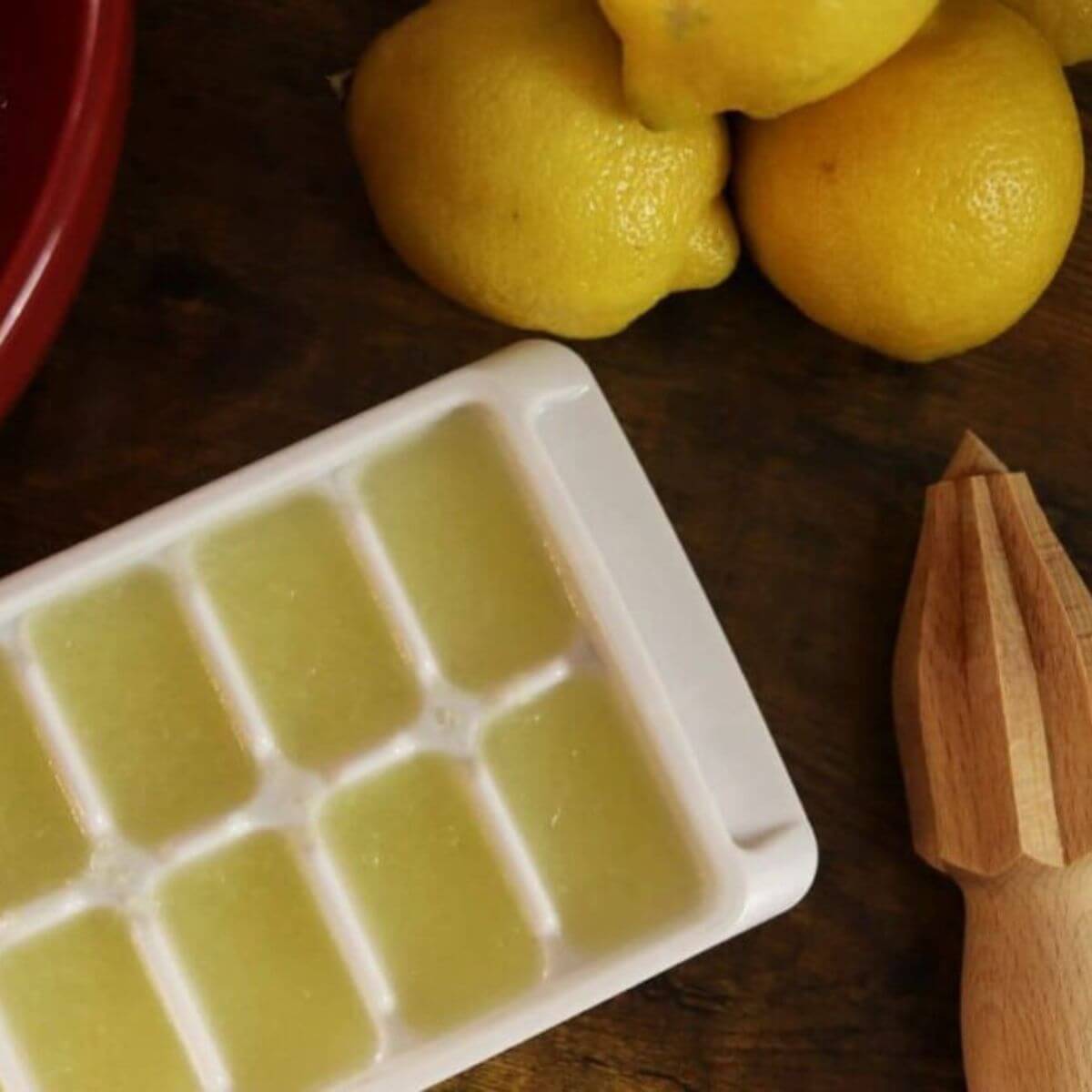
- Ice cube trays for tablespoon-sized portions
Once frozen solid:
- Transfer portions to labeled freezer bags
- Remove as much air as possible
- Store flat to save space
Small portions are ideal for deglazing pans, cooking grains, building sauces, or adding depth to soups without thawing a large container.
FAQs
No. Chicken broth should not be left at room temperature for extended periods. It should be cooled and refrigerated the same day it is made to reduce the risk of spoilage.
Yes. Gelled broth is common and comes from natural collagen released during cooking. It will return to a liquid state when heated and does not indicate spoilage on its own.
Refreezing is not recommended if the broth has been fully thawed and warmed. If thawed in the refrigerator and still cold, it may be refrozen, but quality can decline.
Ice crystals are common and do not make broth unsafe. Freezer burn can affect flavor but does not make the broth dangerous to use.
Straining is optional and does not affect storage safety. Broth with solids may spoil slightly faster, so storing strained broth can help maintain quality.